
Last updated September 23, 2026
Whole-system duct and dryer vent check with before-and-after photos - you see exactly what came out of your vents
That "$99 whole-house special" is a bait ad - the real number appears once they are in your hallway, or the "clean" is a shop-vac at the register. We photograph the inside of your ducts before and after instead.
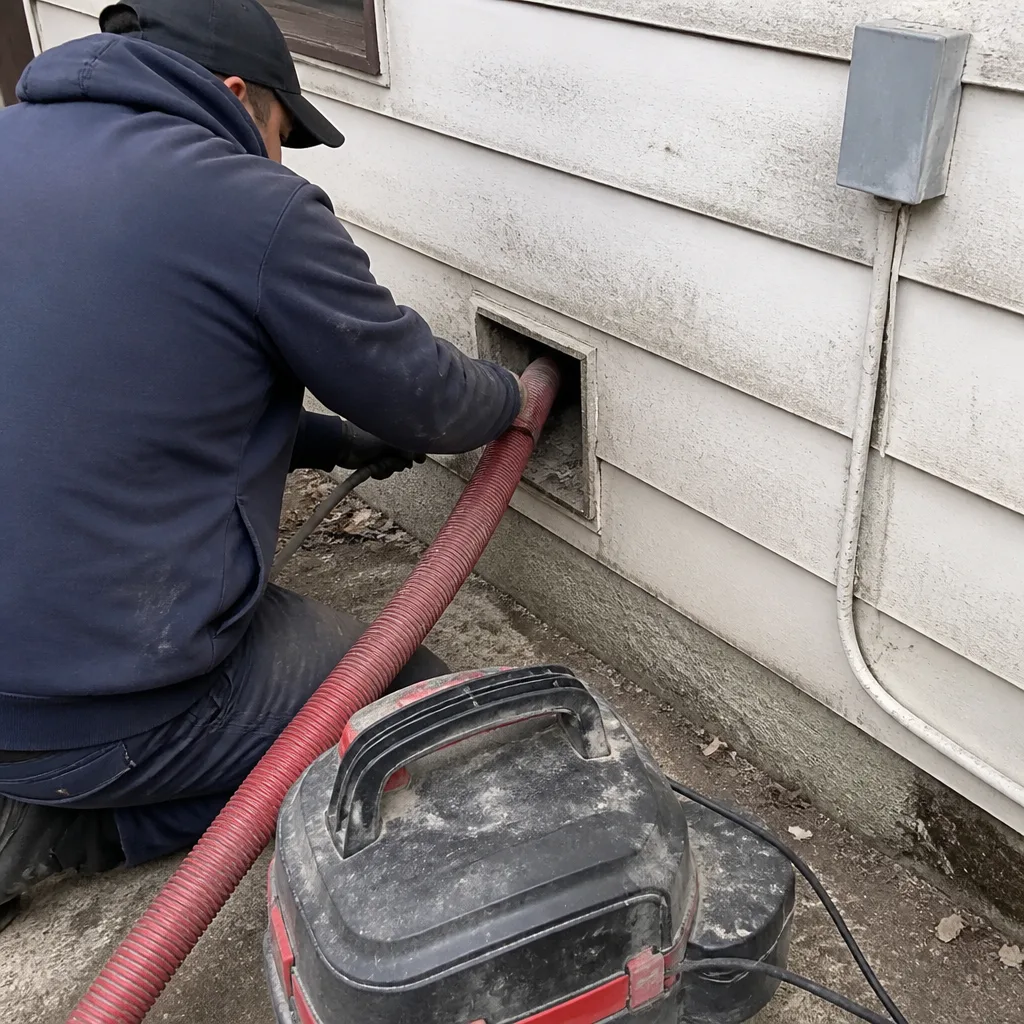 Before
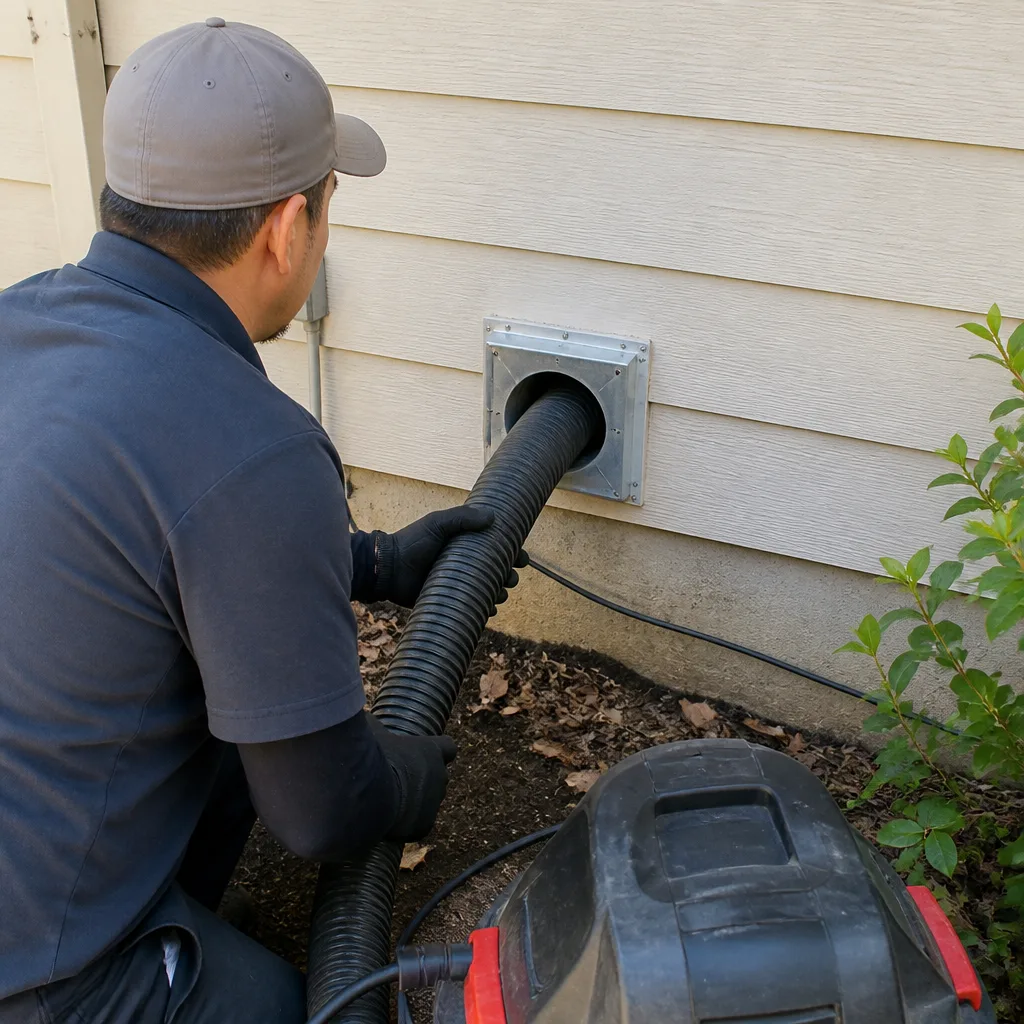 After
After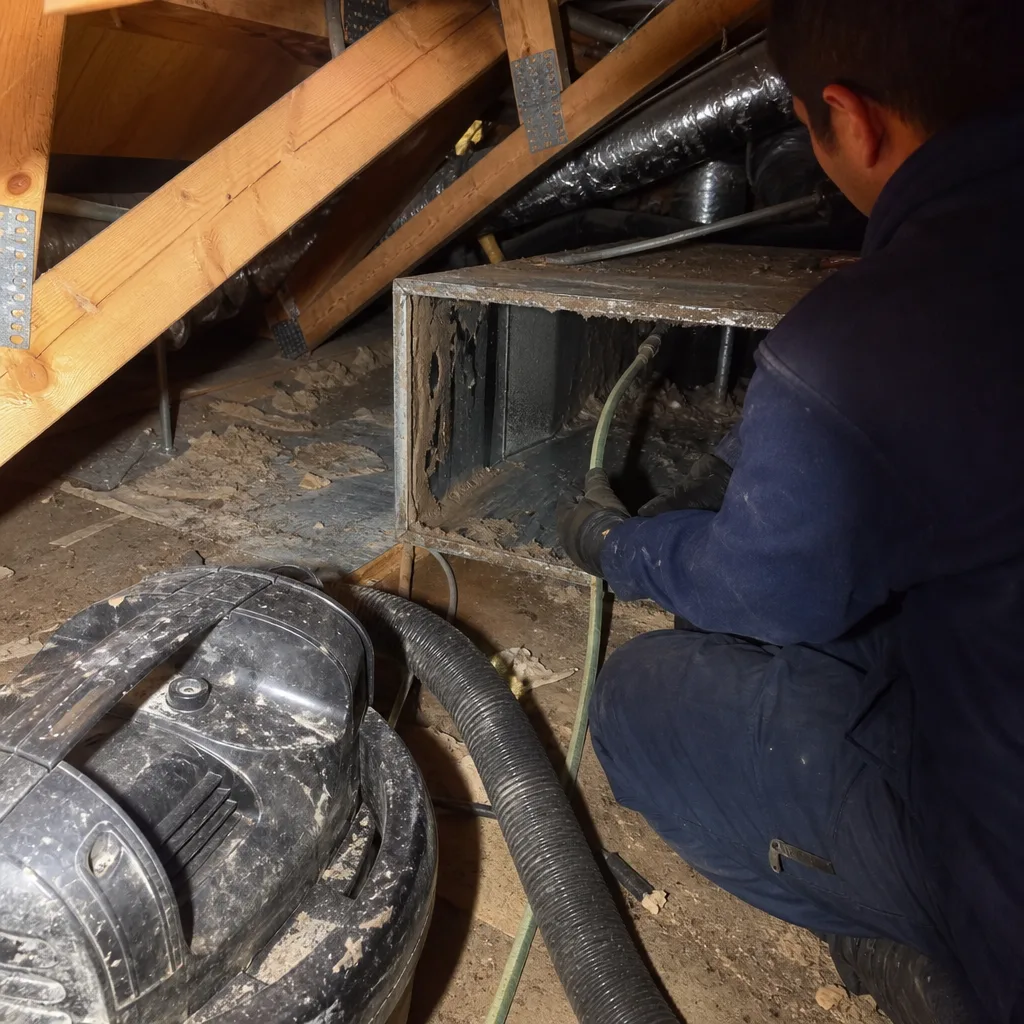 Before
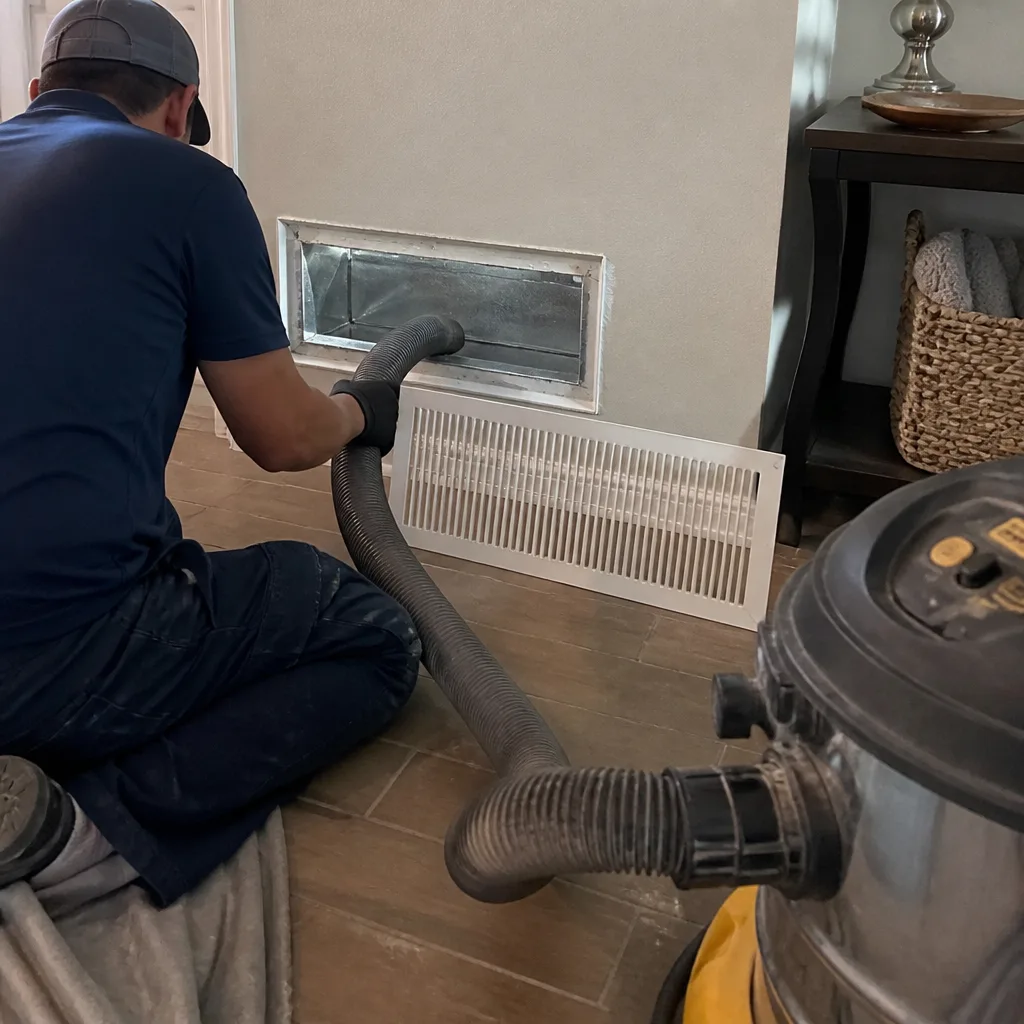 After
After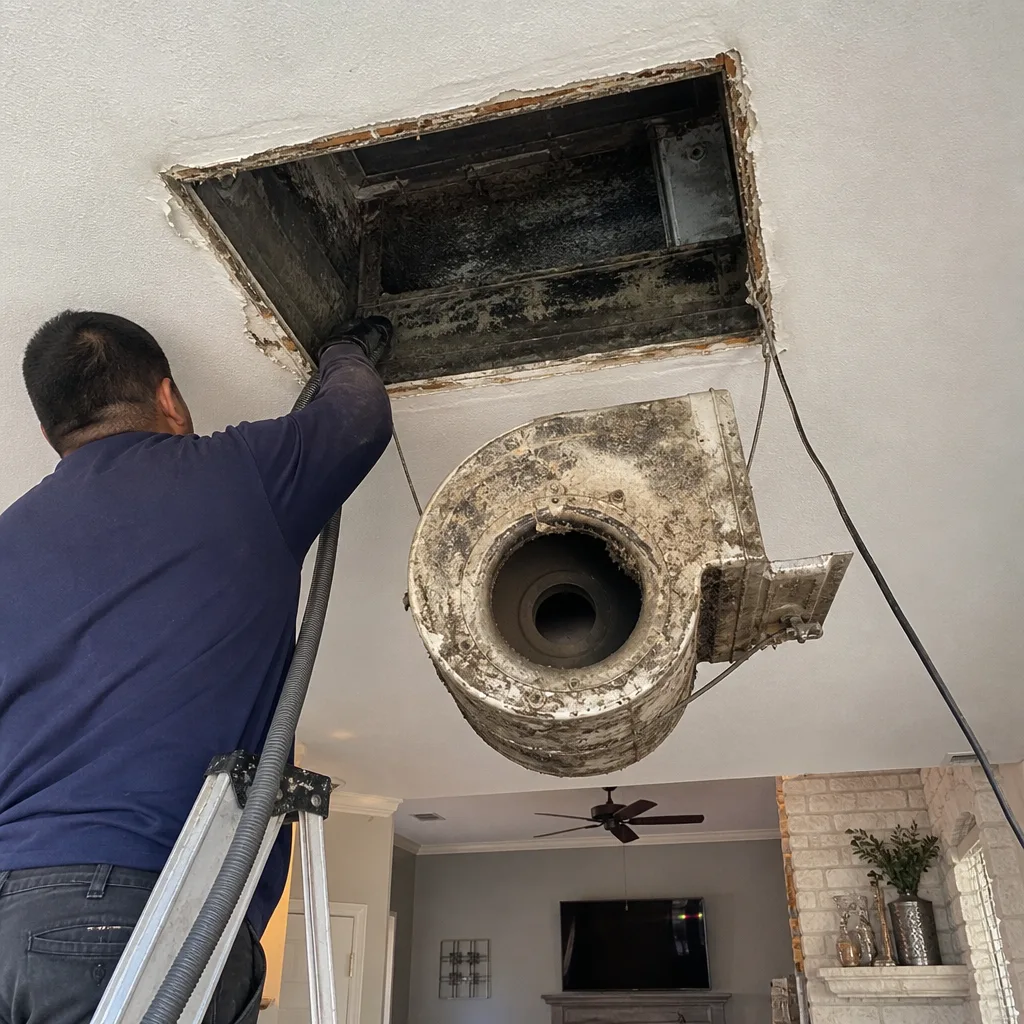 Before
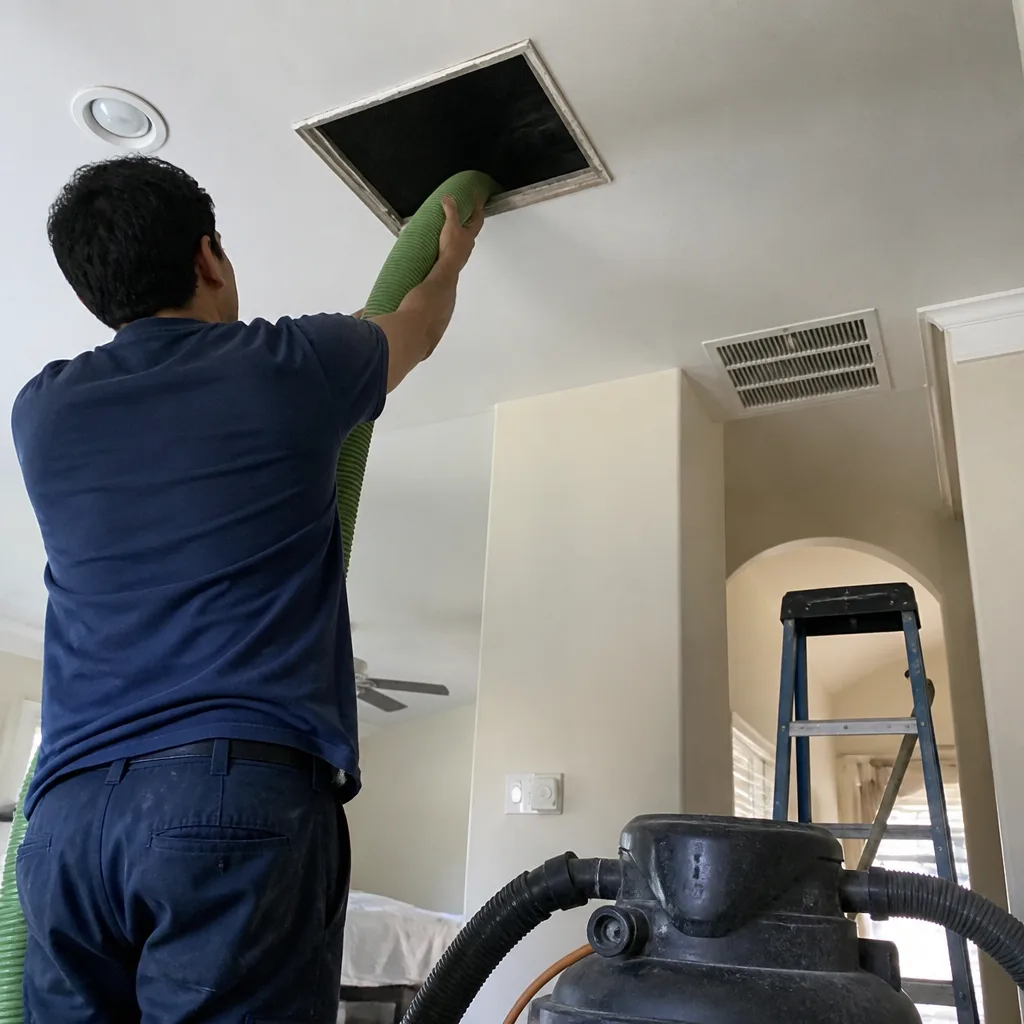 After
AfterSeasonal Air Duct Cleaning Care for Leander: Year-Round Homeowner’s Guide
Mountain cedar pollen in January is so dense across the Leander area that we regularly measure measurable accumulation inside ductwork by February. The homeowner who schedules their “annual” cleaning in October is essentially pressure-washing their driveway before mud season. Leander’s position at the edge of the Texas Hill Country creates four distinct contamination windows that a single arbitrary date cannot address. This guide maps what actually enters your duct system month by month, identifies the highest-value cleaning and inspection windows for local conditions, and shows how to build a maintenance schedule based on Leander’s specific environmental calendar rather than a generic industry recommendation. For more on our approach, see our Air Duct Cleaning services.
Quick Answer
For most Leander homes, the optimal duct maintenance schedule includes two service windows per year: a deep cleaning in late February through March after mountain cedar season peaks, and a structural inspection with targeted cleaning in October before winter heating loads begin. This timing addresses the two highest-contamination events in the local calendar - cedar pollen loading and summer construction dust accumulation - while catching insulation and joint issues before they become expensive winter problems.
Table of Contents
- January-February: The Cedar Loading Event
- March-April: Post-Cedar Deep Cleaning Window
- May-June: Construction Dust and Oak Pollen
- July-August: Summer HVAC Overload and Condensation Risk
- September-October: Fall Inspection and Pre-Winter Prep
- November-December: Heating Season Monitoring
- Building Your Two-Inspection Annual Schedule
- What Duct Services Cost in Leander
BeforeAfterJanuary-February: The Cedar Loading Event
Leander sits directly in the path of the most intense mountain cedar (ashe juniper) pollen release in North America. From late December through mid-February, pollen counts routinely exceed 20,000 grains per cubic meter in our service area. For perspective, a “high” pollen day in most regions is 1,000 grains. We’ve photographed register grilles in Crystal Falls and Travisso homes where the fine yellow-green film is visible on interior surfaces within 72 hours of a heavy release day.
Here’s what happens inside your ductwork during this period:
- Intake loading: Your return grille draws outdoor air even with windows closed - through bathroom fans, dryer vents, and envelope leakage in older homes. Pollen particles 20-30 microns in size embed in existing duct lining.
- Filter saturation: Standard 1-inch pleated filters reach capacity in 2-3 weeks during peak season rather than the 90 days printed on the packaging. Once saturated, bypass airflow carries pollen deeper into the system.
- Moisture cycling: Leander’s winter temperature swings, often 40°F in a single day, create condensation inside metal trunk lines. Wet pollen adheres to duct walls instead of passing through to the filter.
- Distribution pattern: Bedrooms with the longest duct runs from the air handler, common in the two-story plans built in Leander’s 2015-2022 construction boom, show the heaviest accumulation at terminal registers.
We do not recommend cleaning during peak cedar season. The system will reload within days, and disturbed debris can migrate before full extraction. The correct action in January and February is filter monitoring and, for allergy-sensitive households, upgrading to MERV 13 filtration with documented pressure-drop verification to ensure your blower motor can handle the increased resistance.
March-April: Post-Cedar Deep Cleaning Window
Late February through March is the highest-value cleaning window for most Leander homes. Cedar pollen has peaked, oak and elm releases haven’t ramped up significantly, and the accumulated loading from winter is fully deposited and dry. This is when we schedule our most thorough Air Duct Cleaning in Leander jobs.
What distinguishes a post-cedar cleaning from a routine service:
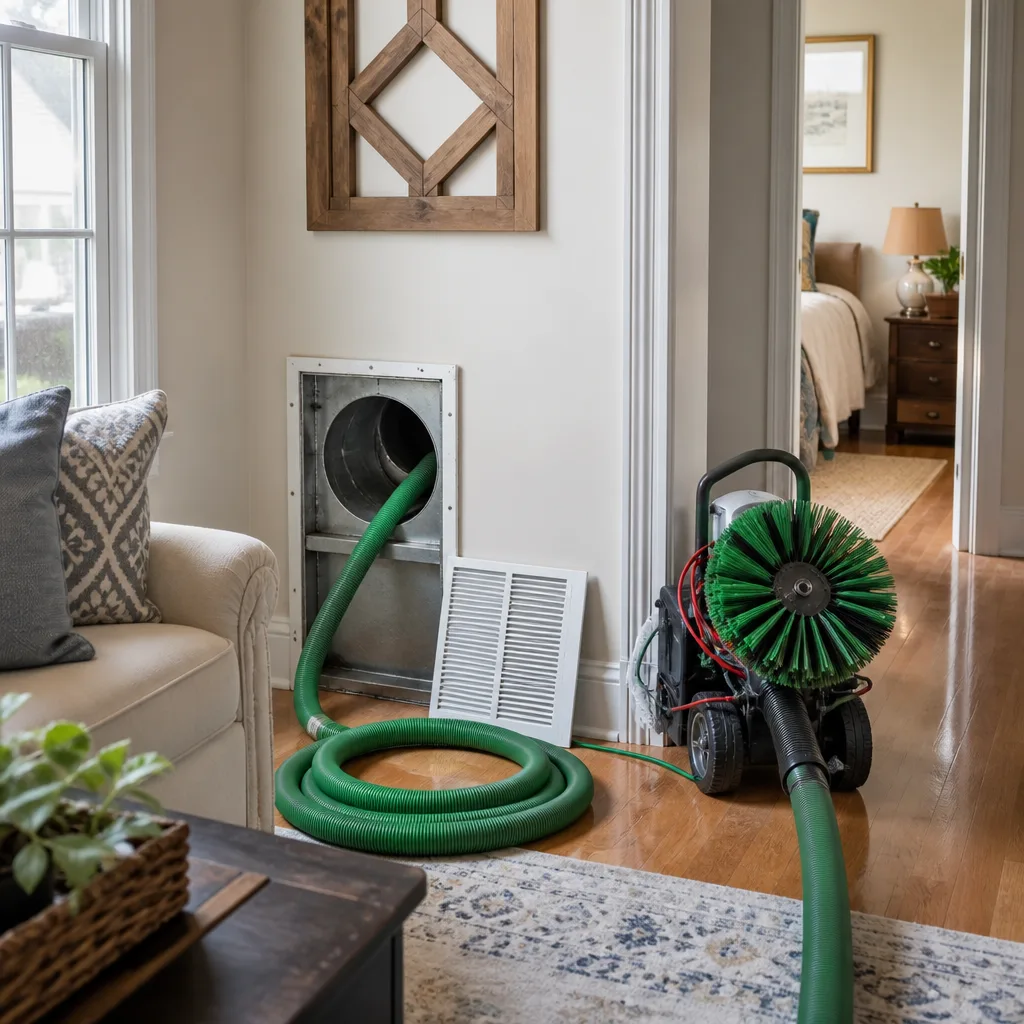
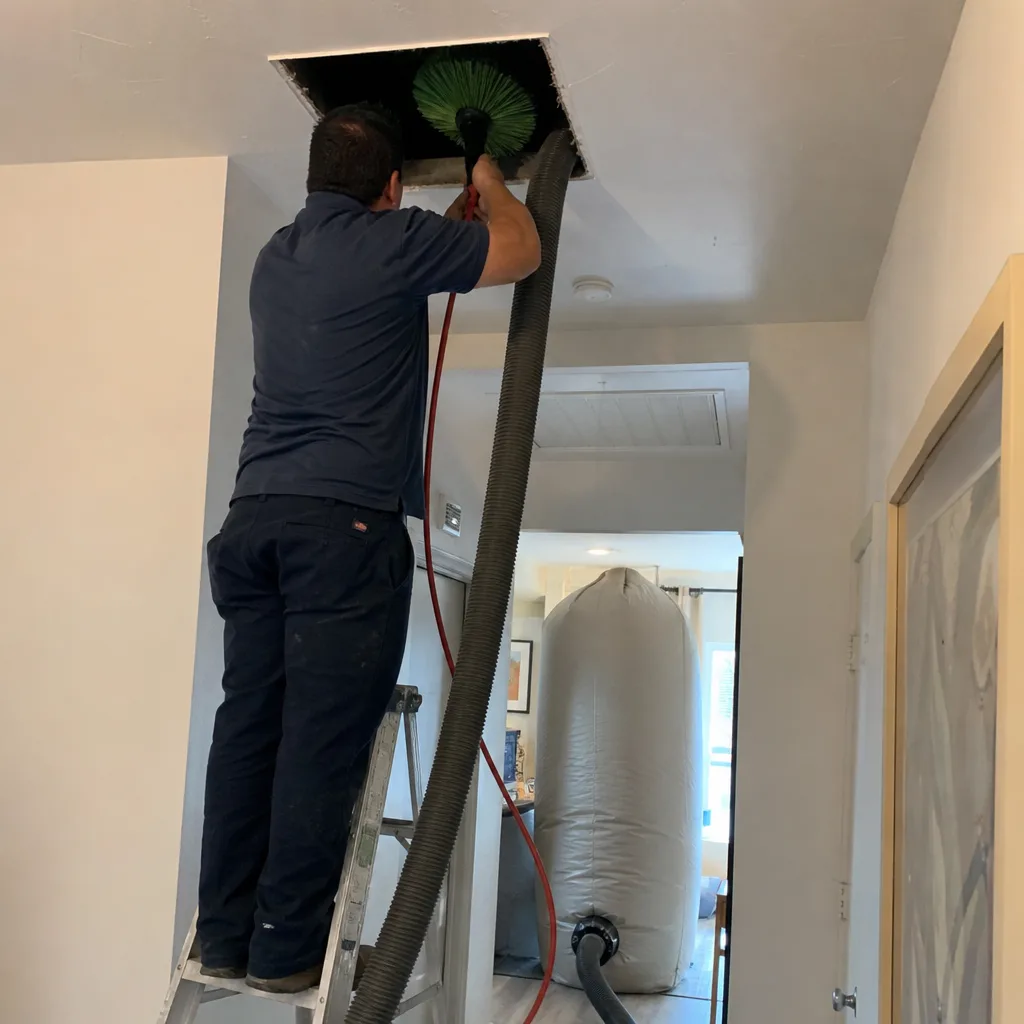
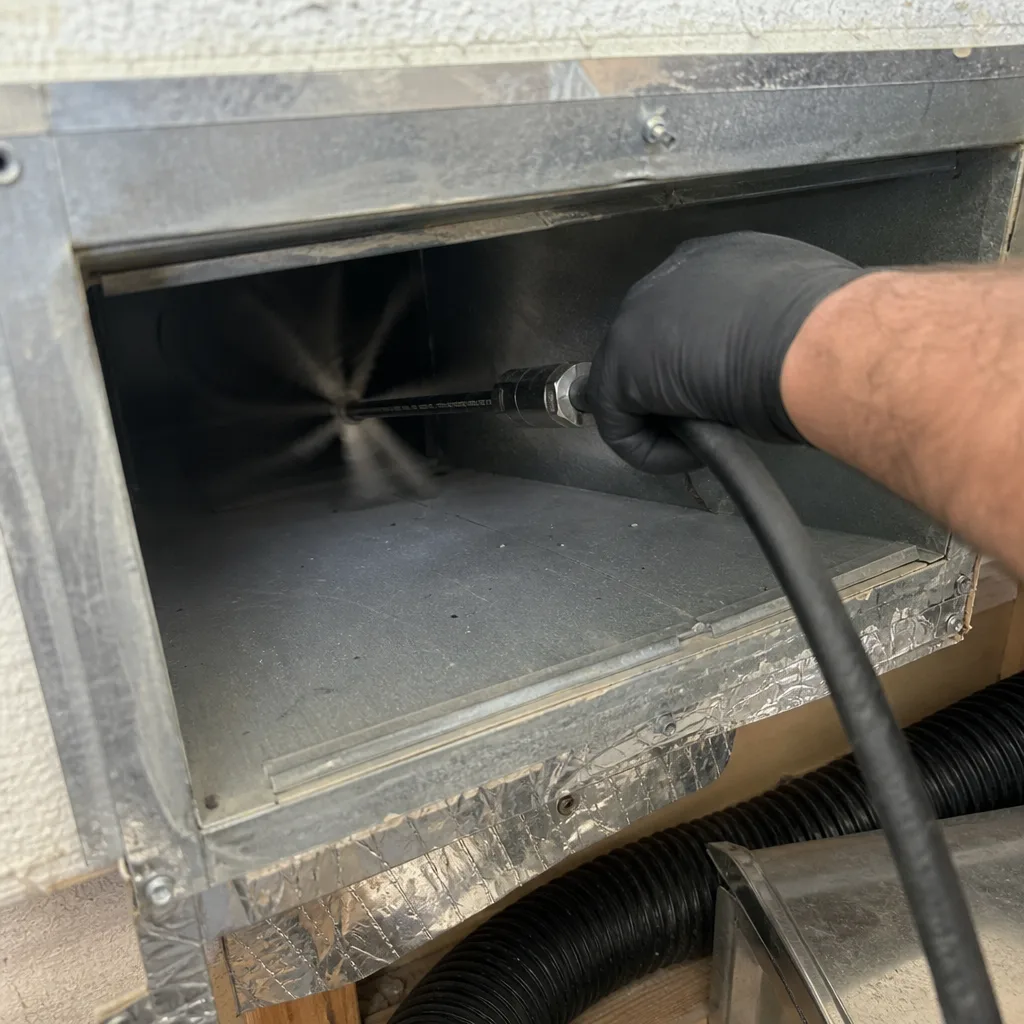
- Extended contact time: We run Rotobrush contact cleaning at reduced feed rates through each duct run (the individual branch extending from the main trunk to a room register) to dislodge the compacted pollen layer that forms during high-load weeks.
- Register-level extraction: Each register boot - the sheet-metal transition connecting duct to grille - is separately vacuumed with negative-pressure extraction (a sealed suction method that prevents debris from escaping into the room during cleaning).
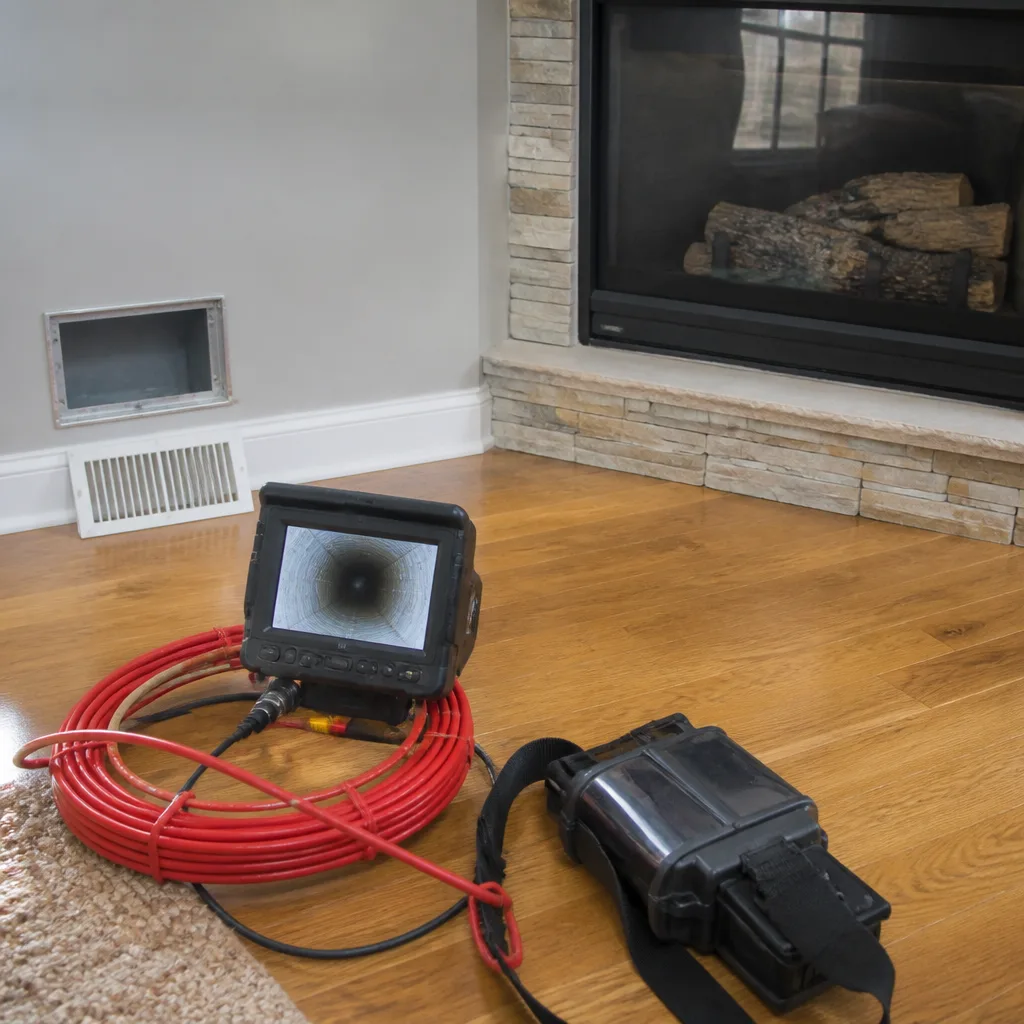
- Camera verification: Our documented photo record shows the difference between a duct that “looks clean” at the register and one where the camera reveals a 1/4-inch mat of organic material at the first elbow.
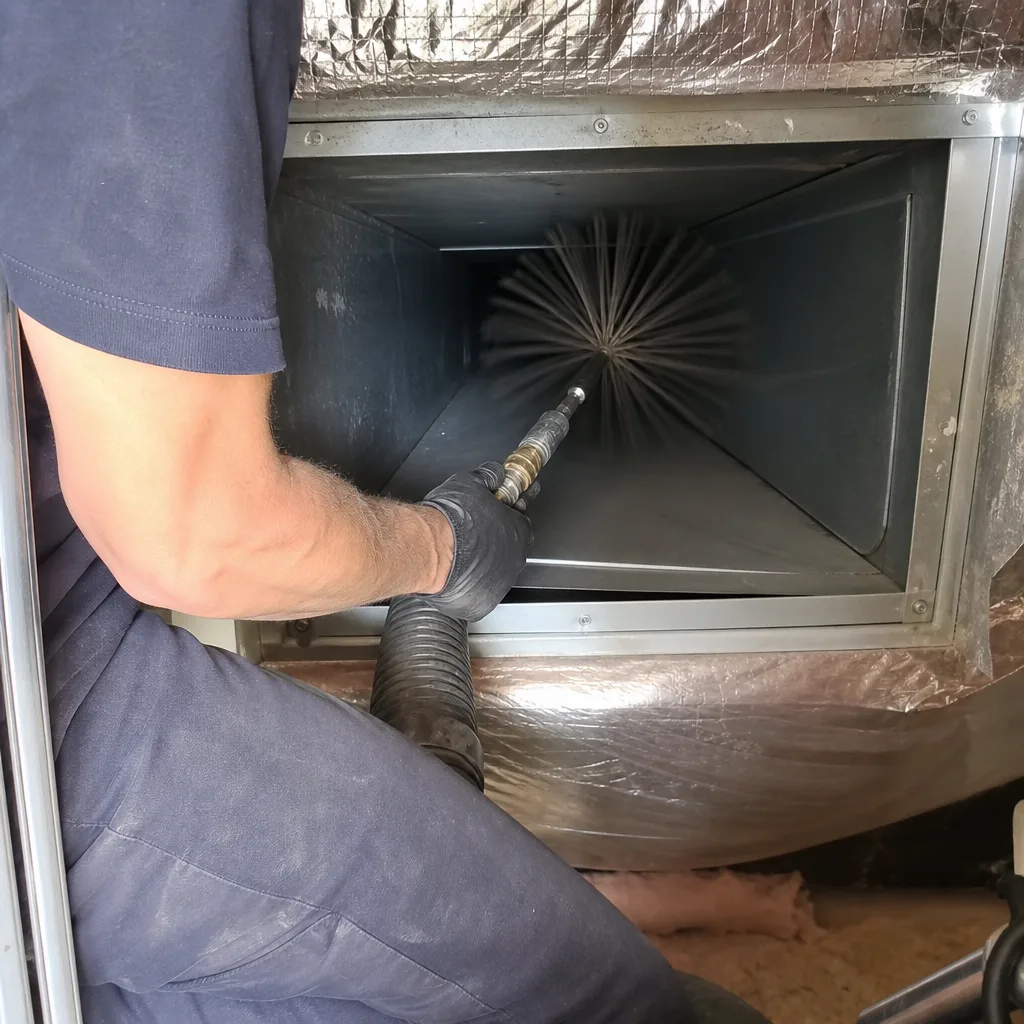
- Coil and plenum inclusion: The plenum (the large sheet-metal box directly above your furnace or air handler) and evaporator coil receive dedicated attention. These areas act as collection points for fine particles that bypass the filter.
In a March 2024 job in the Palmera Ridge subdivision, our pre-cleaning camera showed 3-inch debris build-up at the first elbow of a master bedroom duct run. The homeowner had changed filters quarterly and had no visible dust at the register. Post-cleaning photography showed bare galvanized metal. This is the standard we document on every visit.
For a detailed breakdown, read our Air Duct Cleaning Cost Breakdown: The Leander Homeowner’s Reference for 2026. Pricing for this level of service in Leander runs $450-$780 for a whole-home system, depending on duct count and accessibility. We deliver a written price before any panel comes off, under Haven Standard Clause 1. No per-vent add-ons, no equipment surcharges after arrival.
May-June: Construction Dust and Oak Pollen
Leander’s growth corridors - the 183A corridor, Crystal Falls Parkway, and the ongoing development north of Hero Way - generate sustained construction dust from March through November, with peak grading and framing activity in late spring. Oak pollen adds a secondary loading event in April and May, though particle size is larger and more easily filtered than cedar.
The specific concern during this period is mineral dust infiltration. Unlike organic pollen, silica and limestone dust from construction sites is abrasive and hydrophilic - it attracts moisture and can accelerate corrosion in galvanized ductwork over years of accumulation. We’ve found this particularly in homes downwind of active sites in the Travisso and Bryson areas.
May and June are not primary cleaning months for most established Leander homes. Instead, this is the window for:
- Exterior intake inspection: Verify that outdoor air intakes, if your system has them, are not positioned toward active construction zones.
- Filter upgrade verification: If you installed MERV 13 filters in January, confirm they haven’t collapsed or developed bypass gaps from the heavy spring loading.
- New construction assessment: Homes built in Leander’s 2020-2024 wave should have their first documented cleaning in this window, as builder-grade duct systems often contain drywall dust, wood shavings, and fastener debris from construction.
For homes within 500 yards of active construction, we offer a mid-cycle register and boot cleaning that addresses surface loading without full system disruption. This is priced at $180-$280 and includes the same photo documentation as our full service.
July-August: Summer HVAC Overload and Condensation Risk
Leander’s summer design temperature is 99°F, and sustained triple-digit days are now routine. Your air conditioner runs 10-14 hours daily in July and August, moving 1,200-1,600 cubic feet of air per minute through the duct system. This creates two distinct problems that show up first at the registers.
Condensation in flex duct runs: Many Leander homes built 2015-2022 use flexible duct (the insulated spiral-wire tubing common in attic installations) for second-floor branches. When attic temperatures reach 140°F and supply air is 55°F, the temperature differential overwhelms standard R-6 insulation. Moisture forms on the exterior, wicks to the interior liner, and creates a microbial growth environment. The early evidence appears as dark staining on ceiling registers or a musty odor when the system first cycles on.
We do not recommend DIY mold testing or cleaning for this condition. Disturbing microbial growth without containment and negative-pressure extraction can distribute spores throughout the home. Our crews use Abatement Technologies HEPA-filtered containment and Nikro portable extraction units when contamination is suspected.
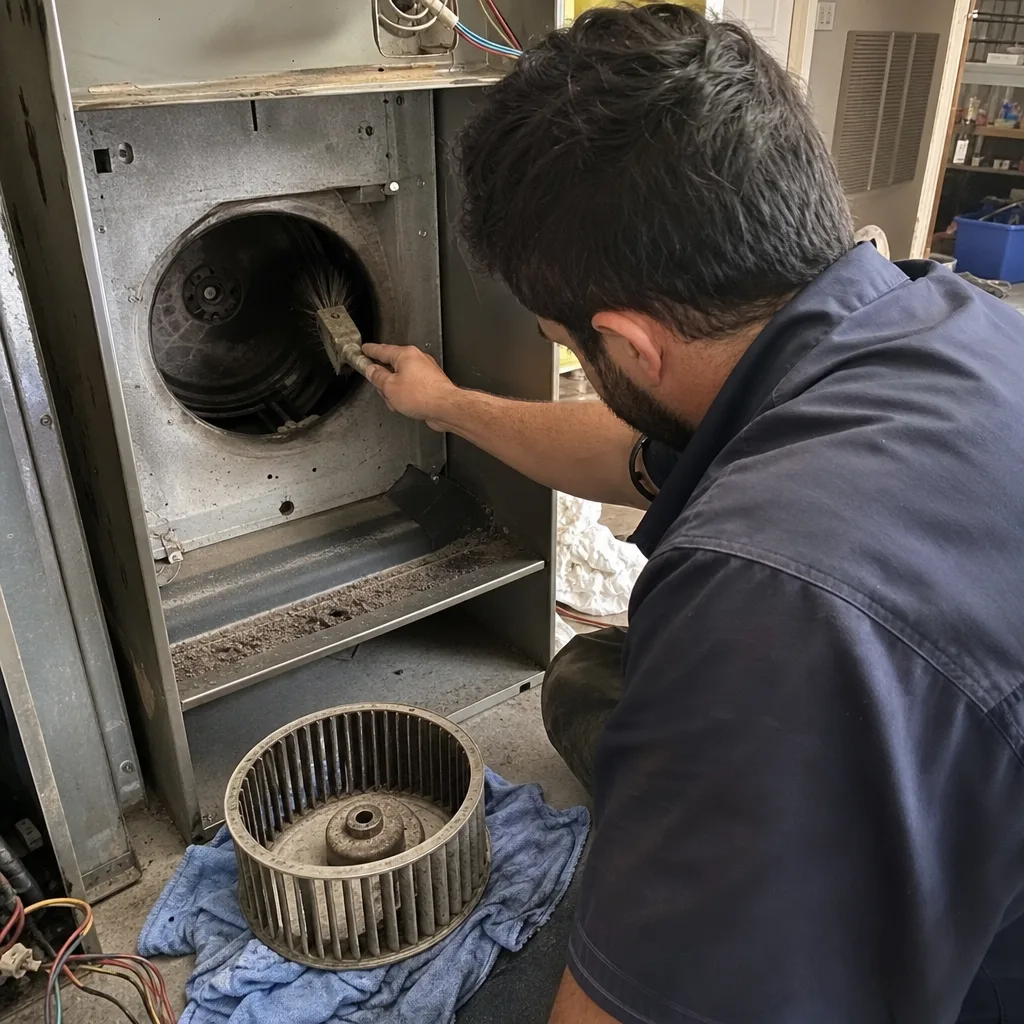
Blower motor and coil loading: Extended runtime means any debris on the evaporator coil or blower wheel is continuously recirculated. A partially blocked coil in August can reduce system capacity by 20-30%, forcing longer runtimes and higher humidity. Our HVAC Cleaning in Leander service addresses this with dedicated coil cleaning and blower removal, documented with before-and-after photography.
The July-August window is ideal for:
- Systems showing reduced airflow or uneven cooling between rooms
- Homes where flex duct condensation has been observed
- Preparation for fall inspection, establishing baseline documentation
September-October: Fall Inspection and Pre-Winter Prep
October is the most misunderstood month in Leander duct maintenance. Industry guidance often suggests “fall cleaning” as a standard appointment. For our climate, October is better used as an inspection and repair window rather than a deep cleaning date.
Here’s why: summer heat expansion and contraction in attic ductwork creates mechanical stress that becomes visible in fall. From June through September, metal trunk lines expand and contract daily. Flex duct insulation compresses and rebounds. By October, these cycles have produced detectable failures:
- Disconnected joints: Sealed with mastic or tape, joint connections fatigue and separate, dumping conditioned air into the attic. We find these with thermal imaging and blower-door-assisted pressure testing.
- Insulation displacement: Flex duct outer insulation slides along the core, exposing bare metal to attic temperatures and creating condensation points.
- Register seal failure: Ceiling drywall around registers cracks from thermal cycling, creating bypass paths for attic air.
A proper October service includes visual inspection of accessible ductwork, thermal imaging of register performance, and targeted repair of disconnections and insulation gaps. Cleaning in this window addresses only the accumulated summer dust, which is typically lighter than cedar-season loading. The value is in structural integrity before winter heating begins.
Homes in Leander’s older sections - the blocks near Bagdad Road and the original downtown area - often have metal duct systems from the 1980s and 1990s that show significant joint degradation by this point in their lifecycle. We’ve replaced entire trunk sections in these homes where October inspection revealed rust-through from decades of condensation cycling.
November-December: Heating Season Monitoring
Leander’s heating season is short but intense when it arrives. A hard freeze in December can keep furnaces running continuously for 72 hours. The concern during this period is not contamination loading - outdoor air is relatively clean - but combustion safety and distribution balance.
For homes with gas furnaces, November is the month to verify that your heat exchanger is intact and your flue is clear. A cracked heat exchanger can introduce carbon monoxide into the supply plenum. This is not a duct cleaning issue, but it is a duct system safety issue that our crews flag during any fall service that includes furnace access.
Distribution problems show up clearly in heating season. Rooms that cooled adequately in summer may stay cold in winter if ductwork was sized only for cooling loads, common in Leander’s faster-built developments. We document supply temperature at each register and can identify blockages or disconnections that summer’s longer runtime masked.
December is not a recommended cleaning month. Holiday scheduling is difficult, system downtime is inconvenient, and the environmental loading is minimal. Use this period for filter replacement and observation. Note any rooms that don’t maintain temperature, any odors when heat first cycles on, and any visible debris at registers. This information makes your spring service more targeted and efficient.
Building Your Two-Inspection Annual Schedule
The generic industry recommendation of “every 3-5 years” ignores Leander’s specific contamination calendar. Based on our documentation from 52,000+ homes, we recommend a two-inspection structure:
| Timing | Service Type | Primary Purpose | Typical Cost Range |
|---|---|---|---|
| Late February-March | Deep cleaning with full photo documentation | Remove cedar pollen accumulation; establish annual baseline | $450-$780 |
| October | Inspection, thermal imaging, targeted repair, light cleaning | Address summer mechanical stress; verify winter readiness | $280-$520 |
This schedule can be adjusted for specific conditions:
- Allergy-sensitive households: Add a May register-and-boot service ($180-$280) to address construction dust peak.
- Homes with crawl space ductwork: Move October inspection to September, before seasonal groundwater rise affects crawl space humidity.
- New construction (0-2 years): Begin schedule immediately; builder debris justifies early first cleaning, then standard cycle.
- Homes with pets or indoor smoking: Reduce interval by 30%; dander and particulate loading accelerates beyond pollen-driven schedules.
The key distinction from standard industry practice is documentation. Each visit establishes a photographic record that the next visit compares against. A homeowner with three years of CleanRun photo records can see whether their system is maintaining cleanliness or showing progressive issues that indicate duct leakage, filter bypass, or equipment problems.
What Duct Services Cost in Leander
Our pricing is structured around whole-system service, not per-vent teaser rates that inflate on arrival. Every quote is delivered in writing before work begins, with no variance without customer authorization.
| Service | Scope | Leander Price Range |
|---|---|---|
| Whole-home air duct cleaning | All duct runs, registers, boots, plenum, coil, blower; photo documentation | $450-$780 |
| HVAC cleaning (coil and blower focused) | Evaporator coil, blower wheel, secondary drain pan, cabinet sanitizing | $320-$480 |
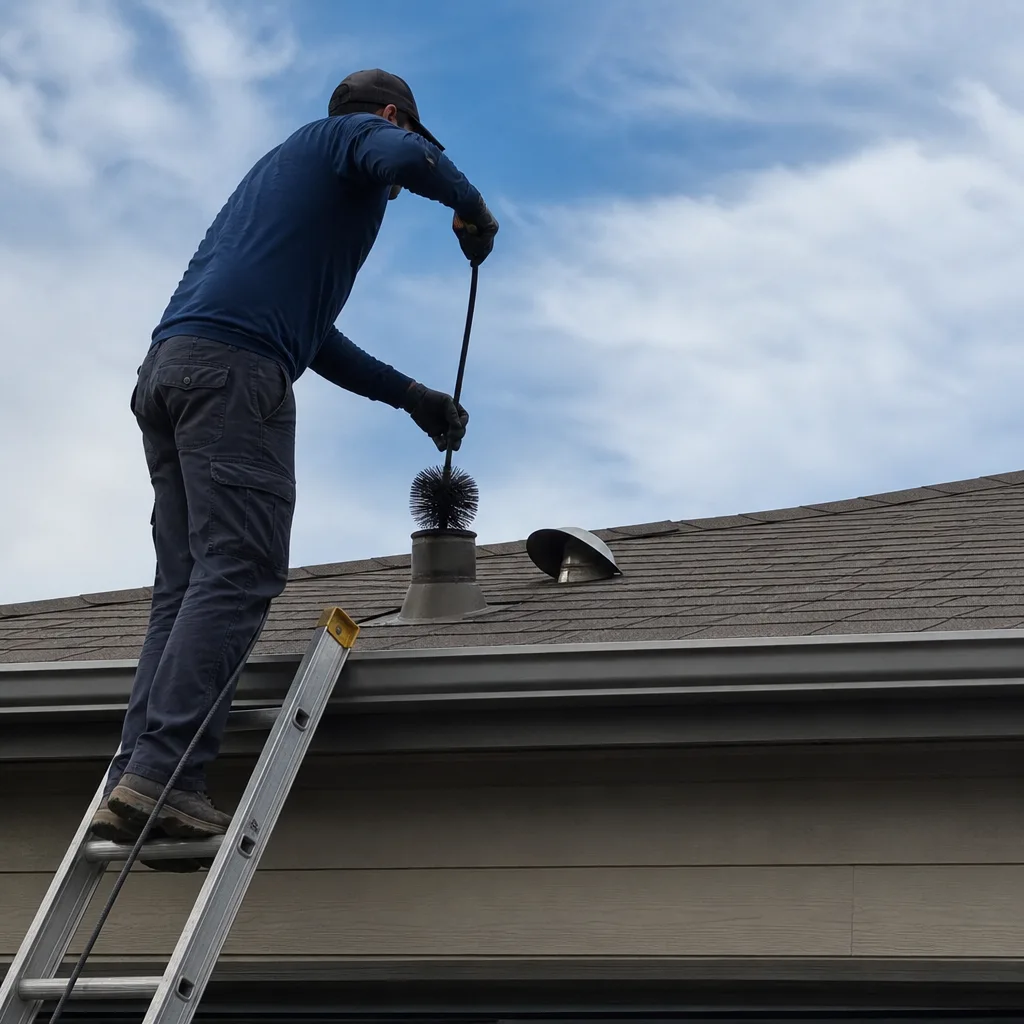
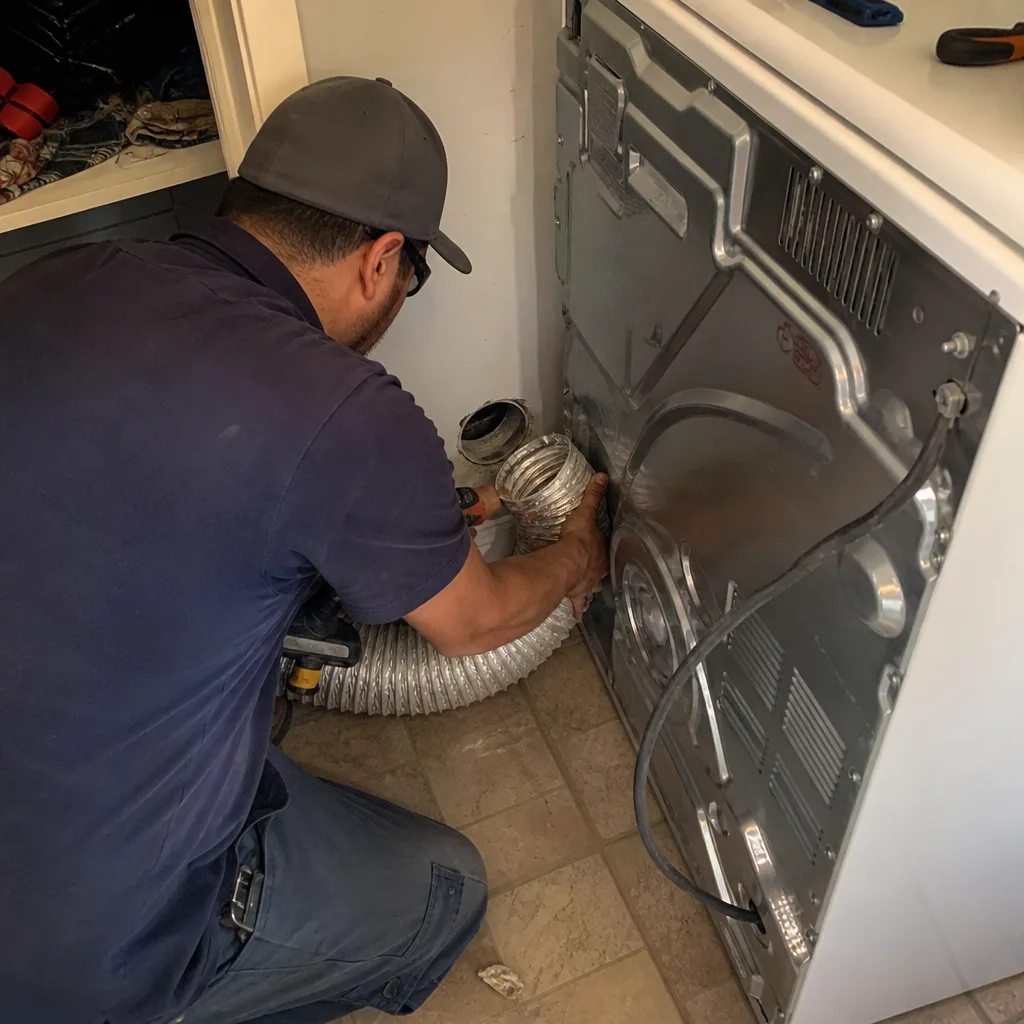
| Dryer vent cleaning | Full duct run to exterior termination, airflow verification | $180-$280 |
| Register and boot service | Surface cleaning and extraction at all registers, no trunk line access | $180-$280 |
| Duct repair and sealing | Joint reconnection, mastic sealing, insulation repair, metal patching | $280-$650 |
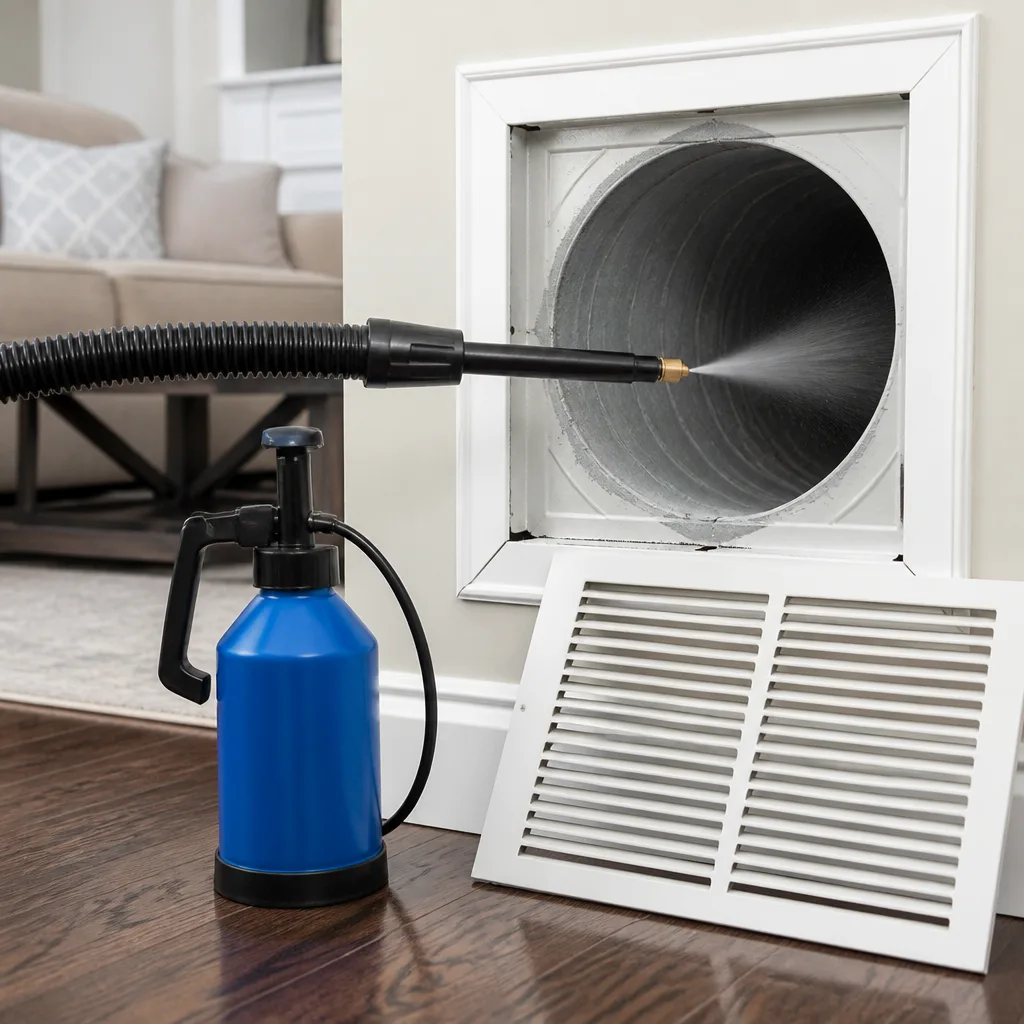
| Air quality and sanitizing | EPA-registered antimicrobial application with documented dwell time | $220-$380 |
Our Free Second Opinion applies to any written estimate from a competitor. Bring us their quote; we put our number next to it in writing, with line-item scope comparison. No charge, no obligation.
Common Mistakes to Avoid
- Scheduling “annual” cleaning in October. This misses cedar season entirely and cleans a system that has minimal loading, then leaves it to accumulate the year’s heaviest contamination with no intervention.
- Accepting per-vent pricing. A $79 “whole home special” that becomes $89 per vent for 12 vents is not $79. We quote one flat price per system, agreed before work starts, under Haven Standard Clause 1.
- Ignoring register staining. Dark marks on ceiling registers are not cosmetic. In Leander’s climate, they indicate condensation, which indicates insulation failure or airflow imbalance that will worsen.
- DIY filter upgrades without pressure verification. MERV 13 filters can overload blower motors in systems not designed for them. We verify static pressure after any filter change that increases resistance.
- Skipping photo documentation. Without before-and-after images, you have no evidence that cleaning occurred. Our Documented Photo Record is included on every visit, delivered as part of the standard job record.
- Delaying first service in new construction. Homes built in Leander’s 2020-2024 wave often contain construction debris that accelerates early system wear. First cleaning within 18 months of occupancy is advisable.
When to Call a Professional
Call for inspection when you observe uneven temperatures between rooms, visible debris at registers, musty odors when the system cycles, or staining on ceiling surfaces near duct boots. These symptoms indicate conditions that filter changes cannot address. For gas furnaces, any odor of combustion products or CO detector activation requires immediate HVAC technician evaluation, not duct cleaning.
CleanRun Air Duct Cleaning Leander offers free estimates in Leander. Our technicians are background-checked and uniformed under Haven Standard Clause 3: Verified Crews, and we publish our license number on every proposal. Call (737) 252-1285 to schedule. If you have a written estimate from another provider, we’ll deliver a line-item second opinion at no cost.
Frequently Asked Questions
Whole-home air duct cleaning in Leander typically costs $450-$780 for a standard residential system, with variation based on duct count, accessibility, and whether the evaporator coil and blower require dedicated service. This is a flat-system price, not a per-vent rate that increases on arrival. Call (737) 252-1285 for a written estimate specific to your home - estimates are free and delivered before any work is discussed.
The $79-$149 “whole home” offers are structured as entry points. The advertised price covers a brief vacuuming of accessible registers; additional charges apply for each vent, each return, the main trunk line, the plenum, and the coil. By the time the scope matches what we include as standard, the invoice often exceeds our upfront written price. We publish one flat price per system under Haven Standard Clause 1, with no additional charges without written authorization.
Our Documented Photo Record shows the inside of every duct run before and after service, with timestamps and location labels. These images are delivered as part of the standard job record, not held behind a paywall or available only on request. If a provider cannot show you dated photography from inside your specific ducts, you have no verification that the service occurred.
Most Leander homes benefit from deep cleaning once per year, timed for late February through March after cedar season, with a structural inspection in October. Download our Air Duct Cleaning Maintenance Checklist for Leander Homeowners for a printable version of this schedule. Homes with allergy-sensitive occupants, indoor pets, or proximity to active construction may need a mid-cycle register service in May. The “every 3-5 years” guideline applies to climates without Leander’s pollen intensity and construction activity.
Consumer-grade equipment cannot generate the negative pressure required for proper extraction, and disturbing debris without containment can worsen indoor air quality. For dryer vents, limited DIY maintenance is possible with proper brush kits, though we recommend professional service annually due to fire risk. For the full duct system, professional equipment - our crews use Rotobrush contact systems and Nikro HEPA extraction - is required for documented results.
Air duct cleaning addresses the distribution network: trunk lines, branch ducts, registers, and boots. HVAC cleaning focuses on the air handler itself: evaporator coil, blower wheel, secondary drain pan, and cabinet interior. In Leander’s climate, we recommend both services in the post-cedar window, as pollen accumulates in both locations. Our HVAC Cleaning in Leander page details coil-specific service.
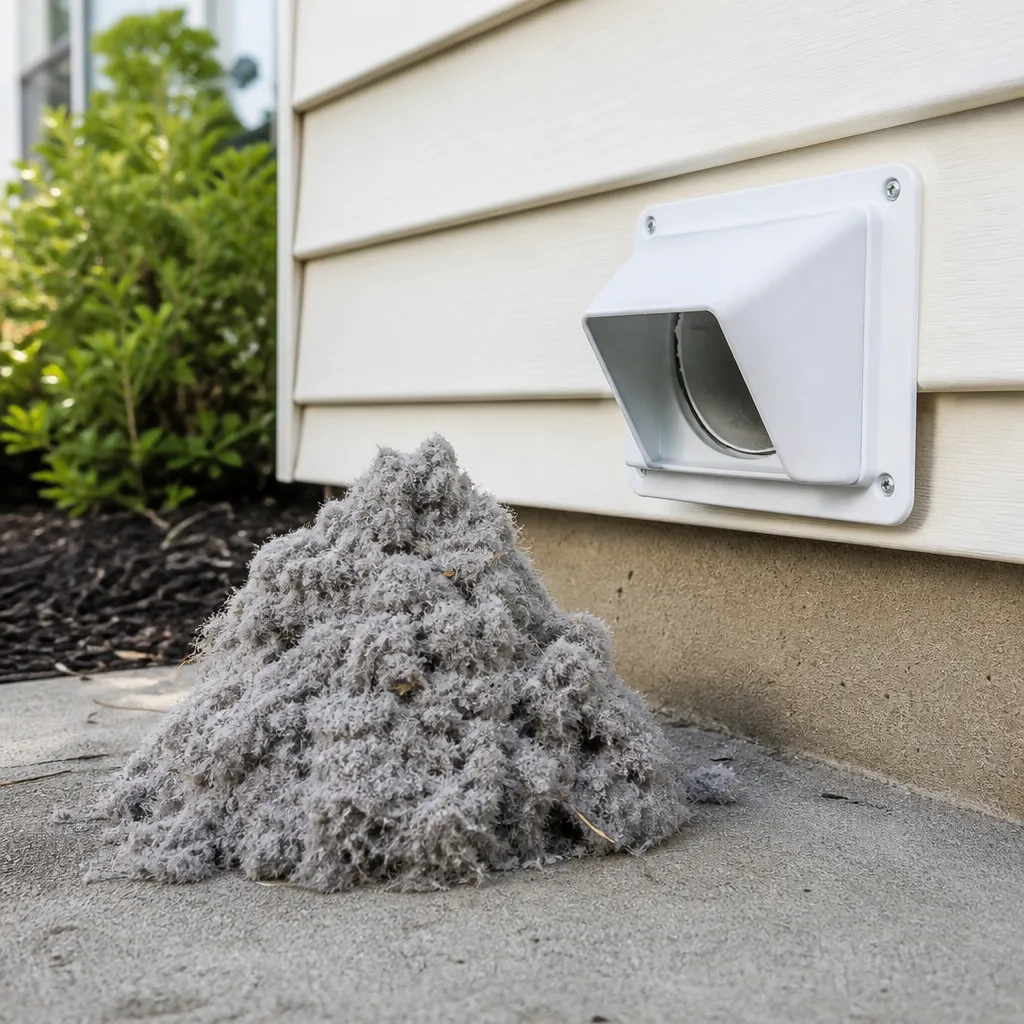
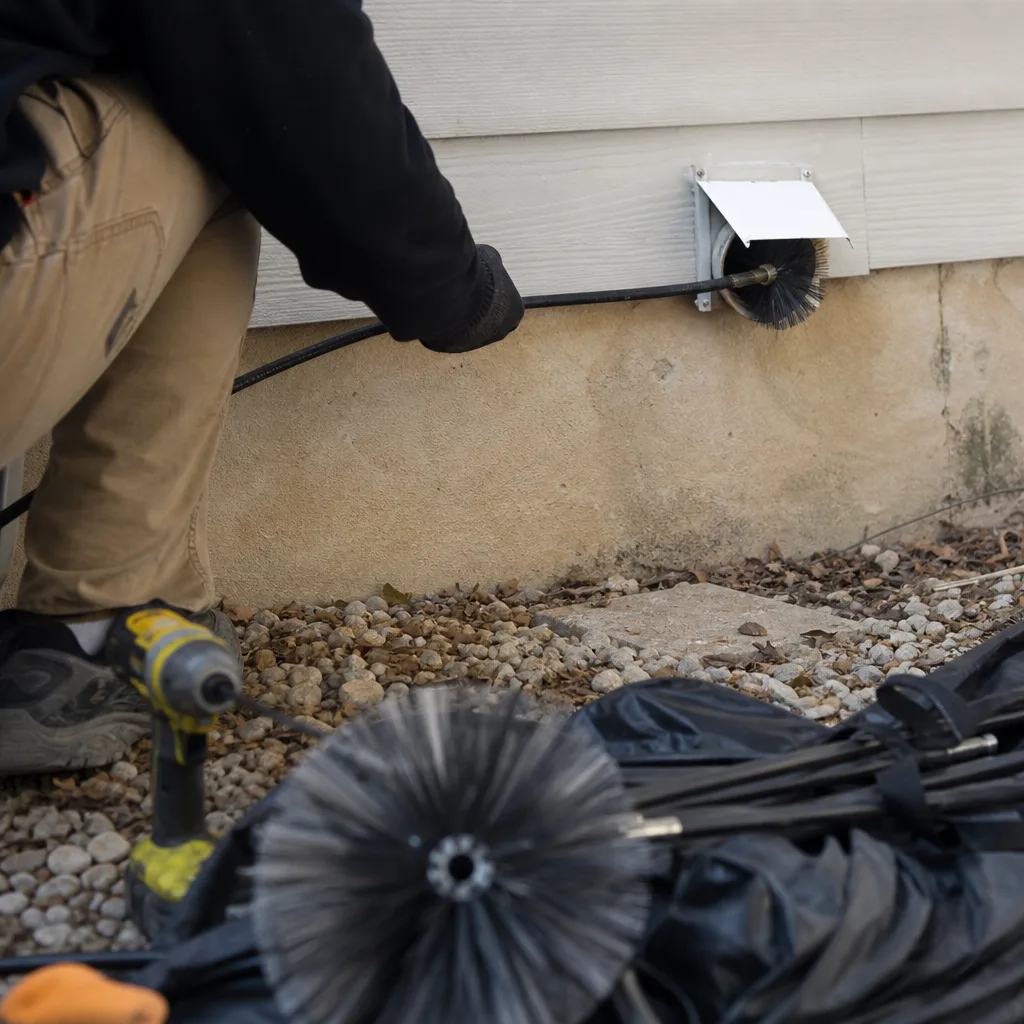
Dryer vent cleaning uses different equipment and addresses a separate fire-safety issue, but scheduling together is efficient. In Leander’s hard-water areas, lint combines with mineral residue to form dense blockages that standard brushes cannot fully clear. Our Dryer Vent Cleaning in Leander service includes airflow verification at the exterior termination. Combined scheduling reduces trip charges and ensures both systems are documented in the same service record.
The Bottom Line
Leander’s climate demands a maintenance calendar that respects actual conditions: cedar pollen loading in winter, construction dust in spring, condensation risk in summer, and mechanical stress inspection in fall. A single arbitrary cleaning date wastes money and misses the events that actually degrade your system. The effective schedule pairs deep cleaning in late February through March with structural inspection in October, both documented with photography and backed by written pricing. This approach addresses what enters your ducts, when it enters, and what it does to the system over time.
CleanRun Air Duct Cleaning Leander has operated under this principle since 2013. Every job starts with a written price and concludes with a Documented Photo Record. The 365-Day Done Right Promise means the work remains accountable long after our truck leaves your driveway. For a free written estimate or a second opinion on any competitor’s quote, call (737) 252-1285.
Written by Tomas Reyes, Owner at CleanRun Air Duct Cleaning Leander, serving Leander since 2013. Explore more guides & resources on maintaining healthy indoor air.