
Last updated September 23, 2026
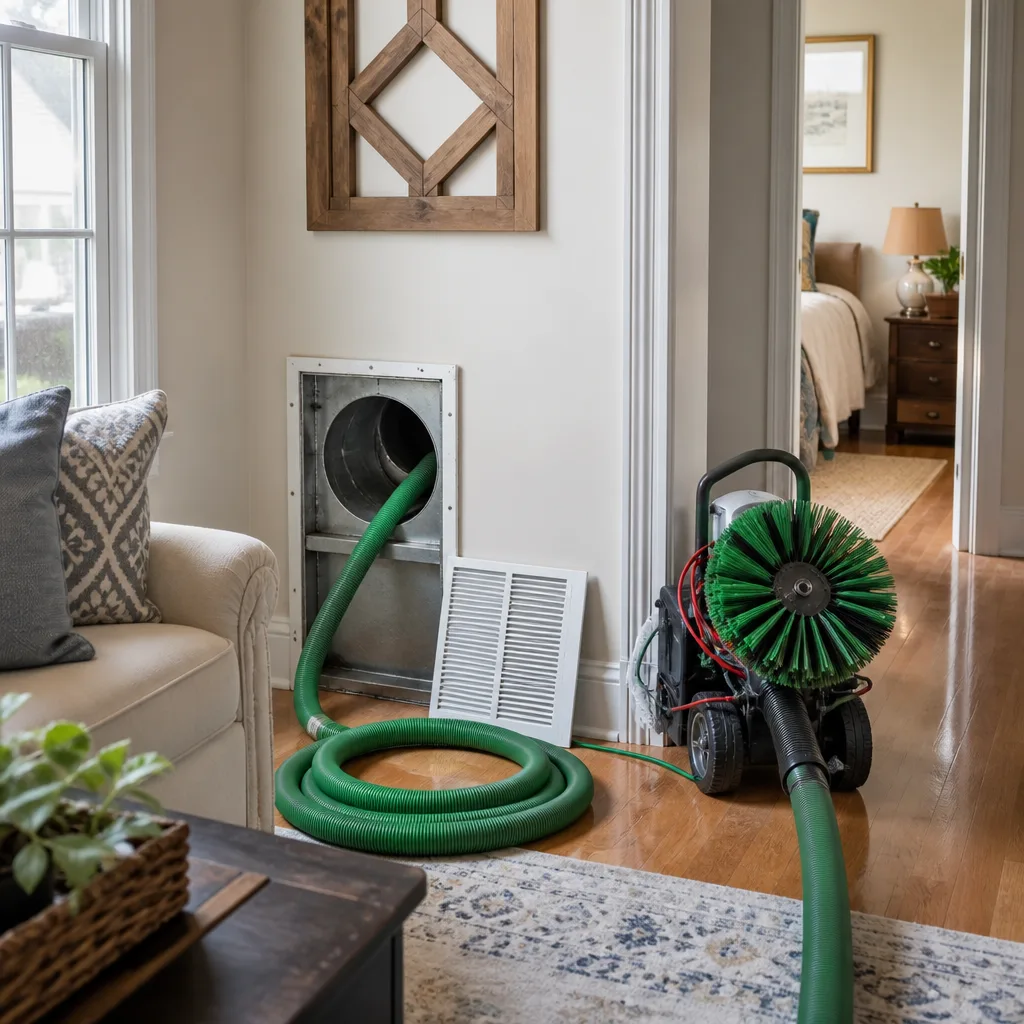
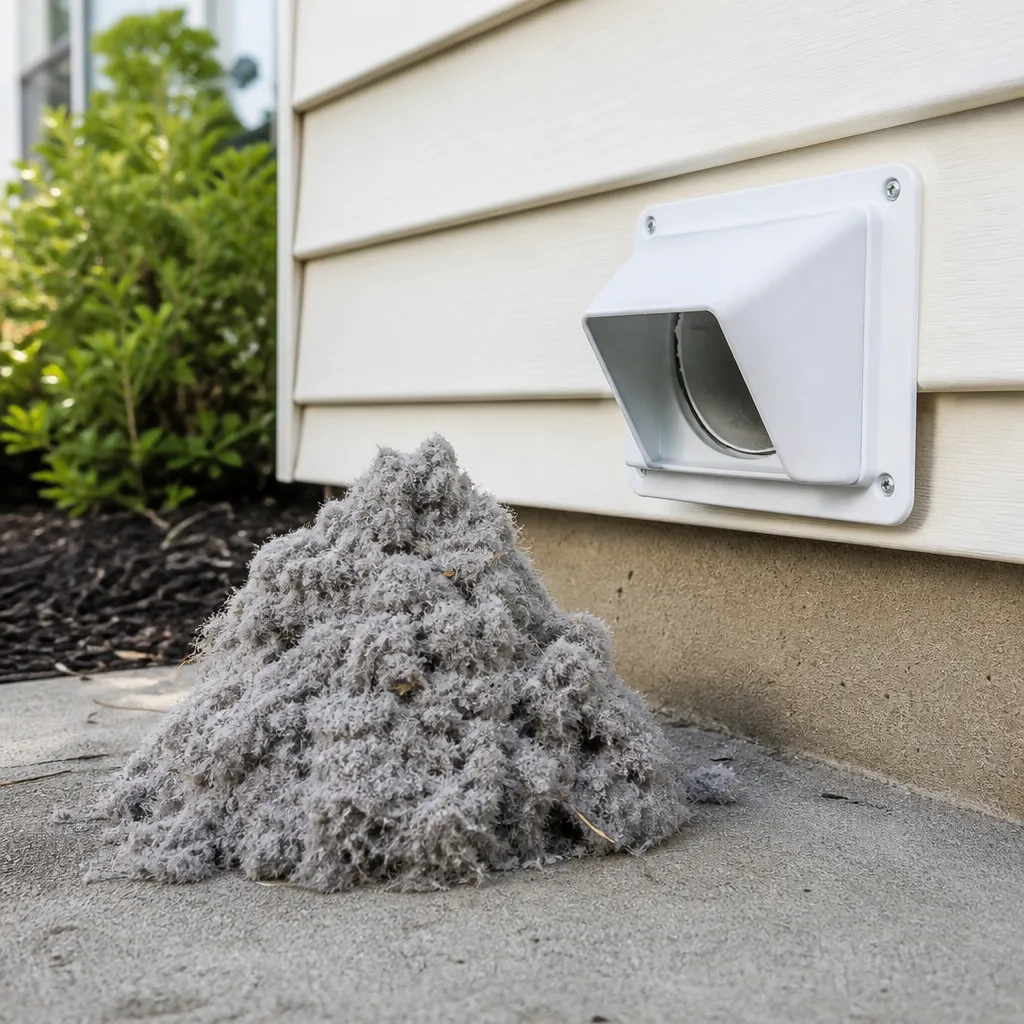
Whole-system duct and dryer vent check with before-and-after photos - you see exactly what came out of your vents
That "$99 whole-house special" is a bait ad - the real number appears once they are in your hallway, or the "clean" is a shop-vac at the register. We photograph the inside of your ducts before and after instead.
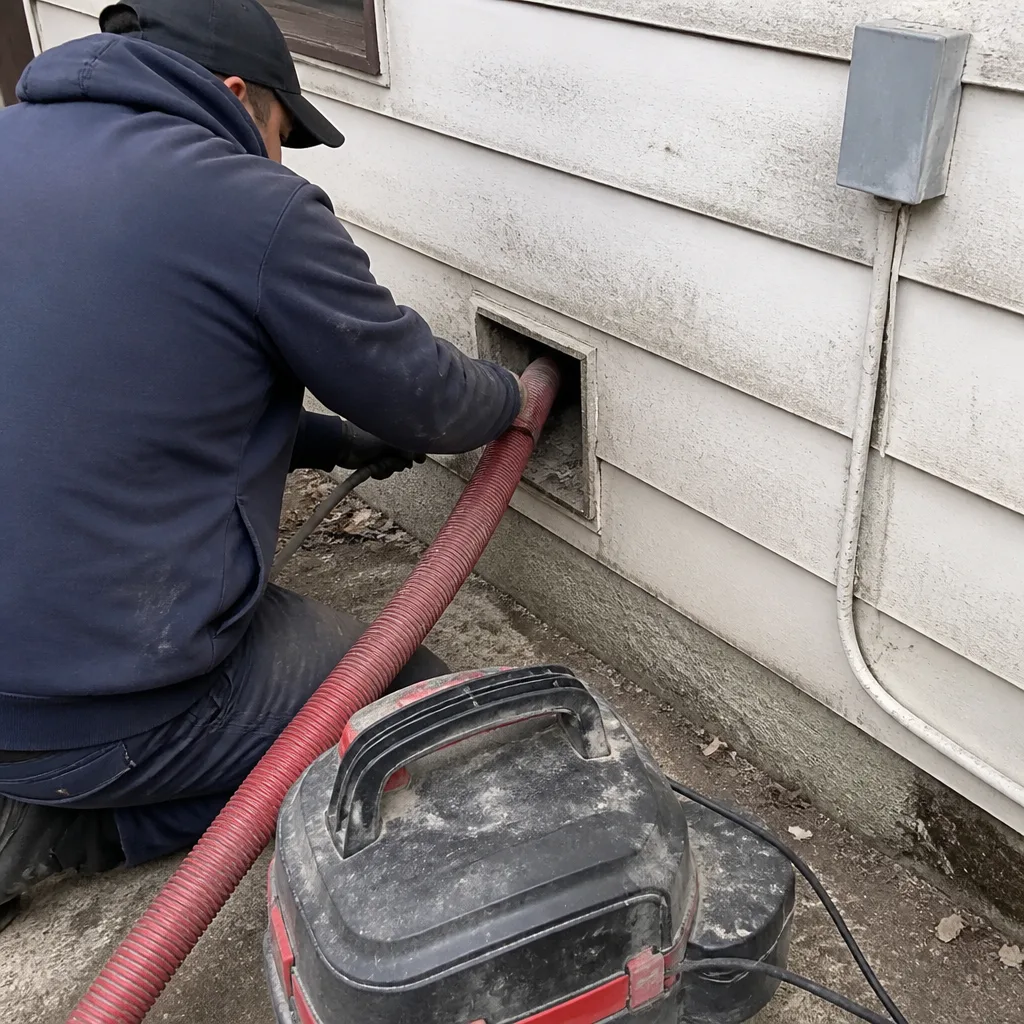 Before
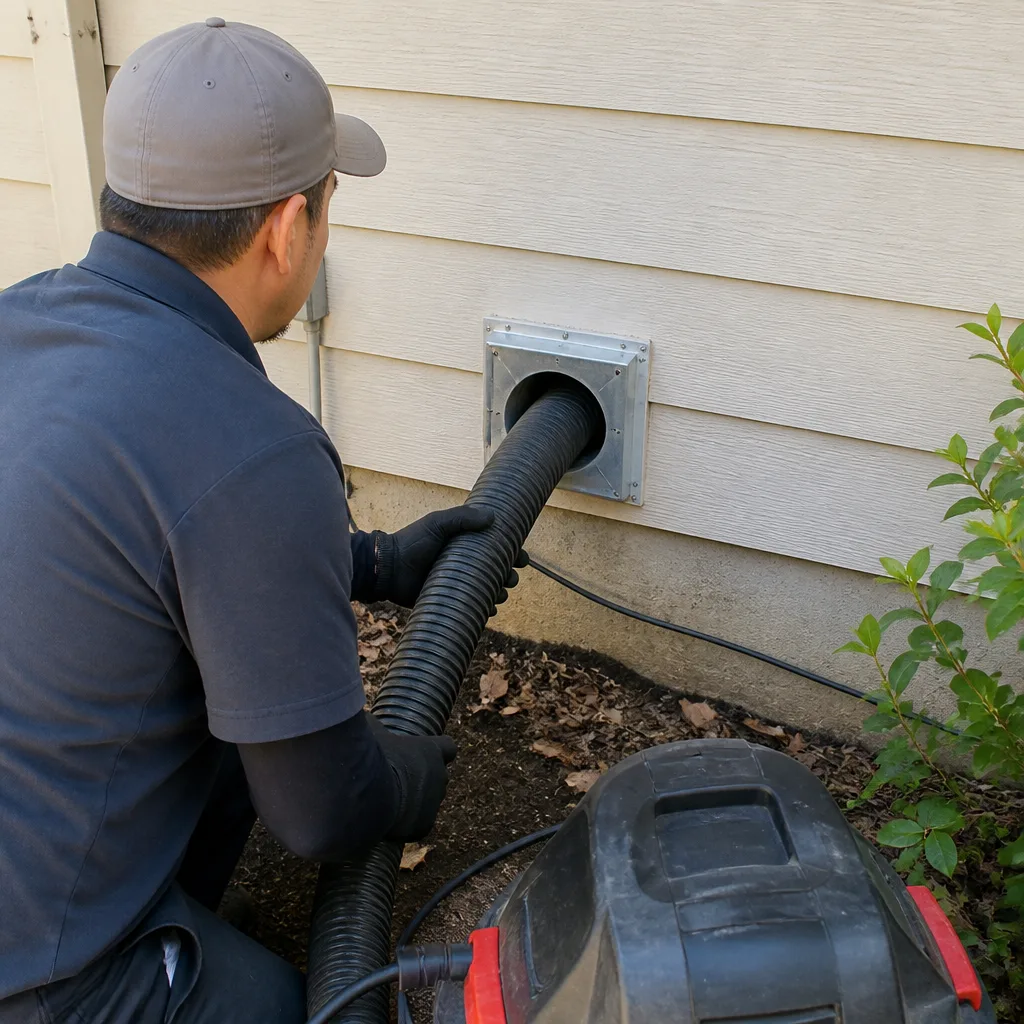 After
After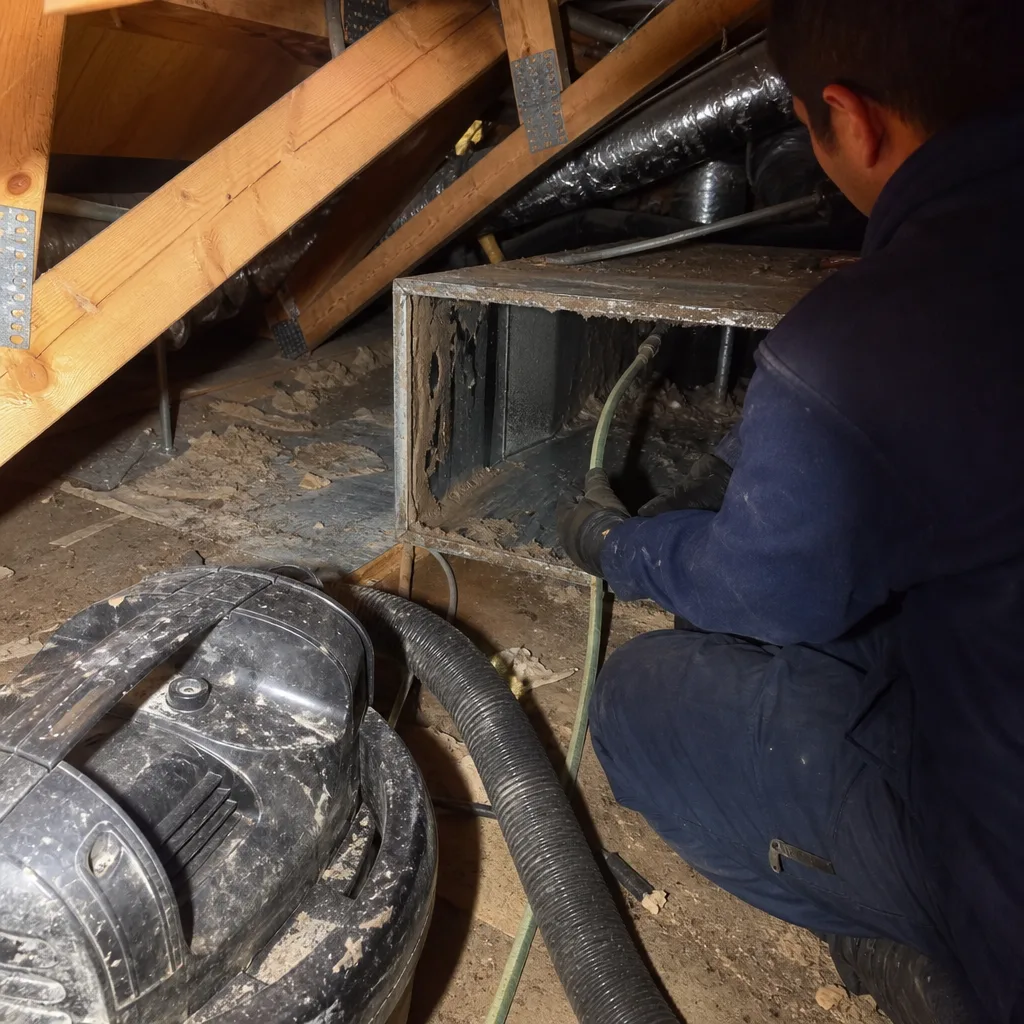 Before
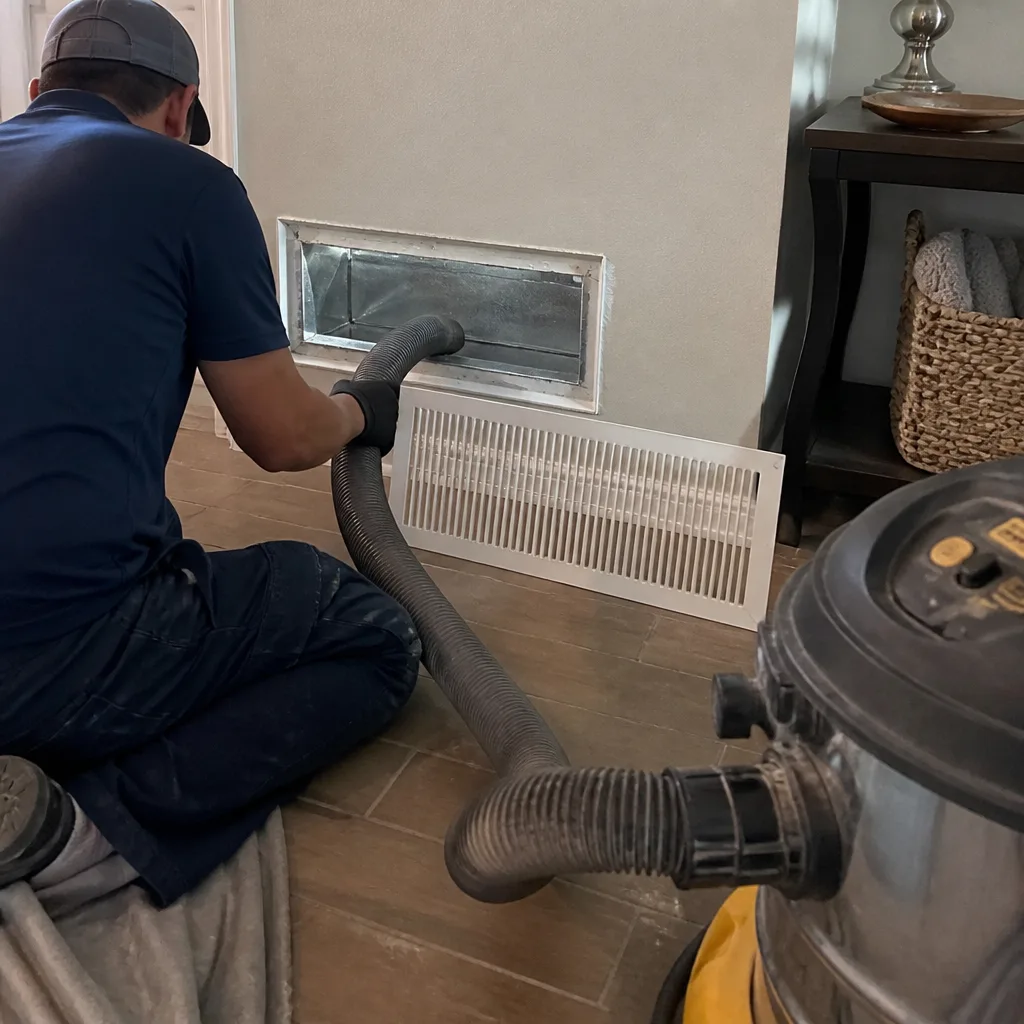 After
After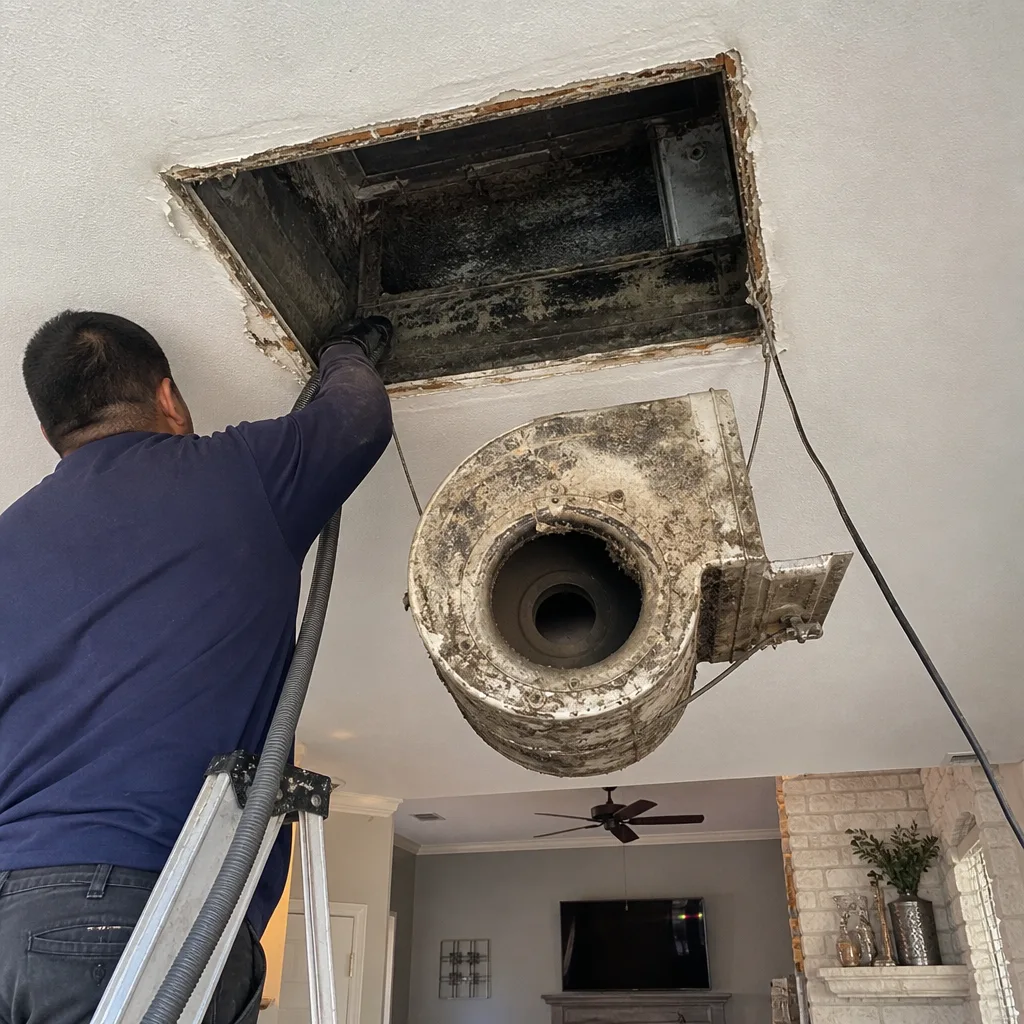 Before
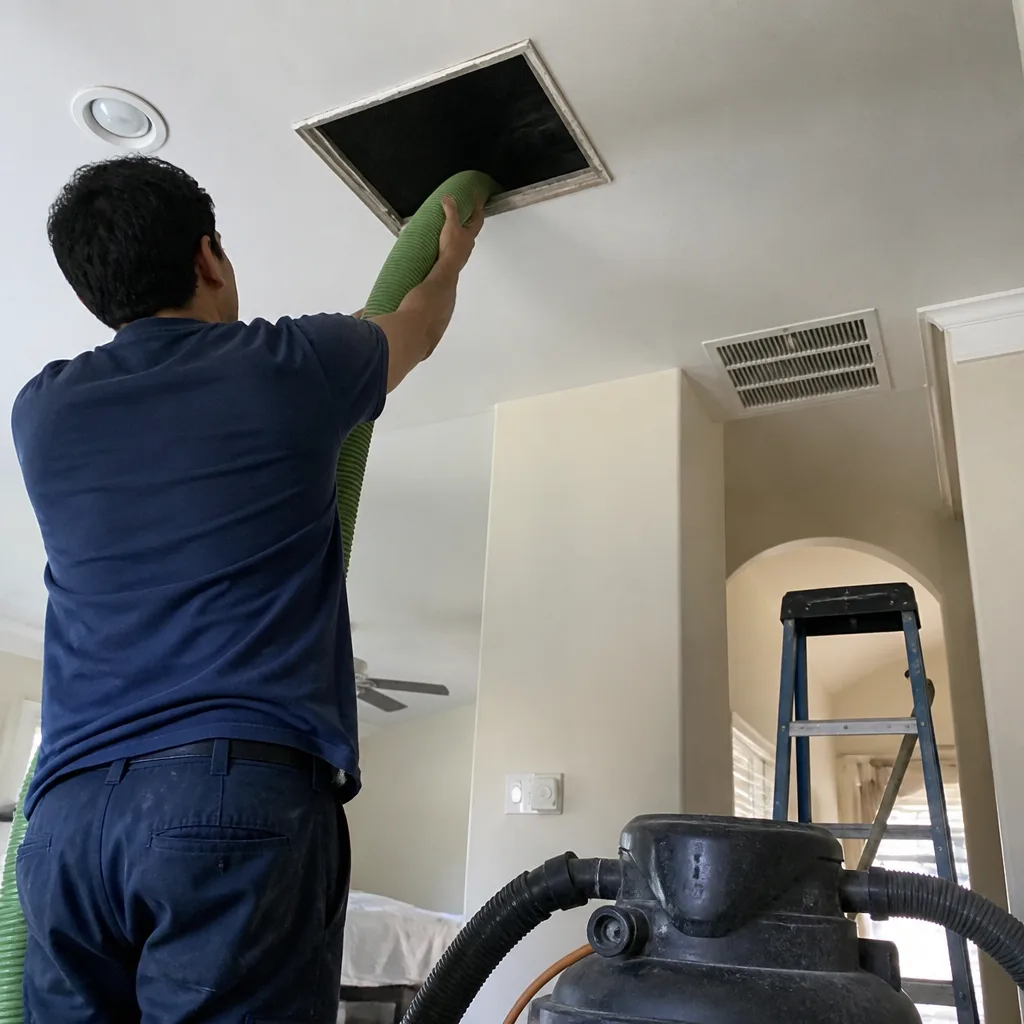 After
AfterHow to Hire a Air Duct Cleaning Contractor in Leander: A Step-by-Step Guide
Texas has no state license specific to air duct cleaning. The contractor who quotes you $79 and the one who quotes $450 are operating under the same legal framework. In Leander, where rapid growth since 2015 has filled new subdivisions with first-time homeowners who’ve never hired this service, that gap creates real risk. This guide - alongside our more guides & resources - gives you a concrete vetting sequence that separates documented capability from a convincing phone manner. You’ll learn the four documents to request before scheduling, how to read a scope of work, the red flags common in the Austin metro market, and what a legitimate contract actually covers.
Quick Answer
To hire an Air Duct Cleaning services contractor in Leander, request four documents before scheduling: a written scope of work, an itemized price, proof of liability insurance, and NADCA membership or equivalent certification. Compare quotes using a standardized checklist, verify photo documentation is included in the contract, and reject any estimate that lacks completion criteria or a written guarantee.
Table of Contents
- Why Licensing Gaps Matter in Texas
- The Four Documents to Request Before Scheduling
- How to Tell a Real Inspection From a Sales Call
- How to Read and Compare Quotes
- Red Flags Specific to the Leander Market
- What the Contract Should Actually Say
- Common Mistakes to Avoid
- When to Call a Professional
- Frequently Asked Questions
- The Bottom Line
BeforeAfterWhy Licensing Gaps Matter in Texas
Most homeowners assume air duct cleaning contractors carry some form of specialized credential. In Texas, they do not. The Texas Department of Licensing and Regulation (TDLR) regulates HVAC technicians who handle refrigerant or electrical work on the mechanical system itself, but duct cleaning sits in a gray area. A company can legally operate with a general business registration, a truck, and a vacuum.
This matters in Leander more than in established markets. The city’s population roughly tripled between 2010 and 2023, and much of that growth came from buyers who moved from out of state with expectations shaped by stricter regulatory environments. California, for instance, requires duct cleaning contractors to hold C-20 Warm-Air Heating, Ventilating, and Air-Conditioning licenses. Texas does not. That disconnect creates vulnerability.
What fills the gap is not government oversight but documentation discipline. The contractors who operate professionally in Leander build their own accountability structures: written scopes, photo records, equipment specifications, and published guarantees. The ones who do not rely on low-entry barriers and high-turnover marketing.
Here’s what this means practically. When you call a contractor in Leander, you are not verifying a license number against a state database. You are evaluating whether the company has created its own standards that exceed the minimum legal requirement. The rest of this guide shows you exactly how to do that.
The Four Documents to Request Before Scheduling
Every legitimate contractor should be able to produce these four items without hesitation. If any are missing or delayed, that is your signal to continue searching.
1. Written Scope of Work
This document defines what will be cleaned. It should list:
- Number of supply duct runs (the branches that deliver conditioned air to rooms)
- Number of return duct runs (the branches that draw air back to the air handler)
- Whether the plenum (the distribution box connected to your HVAC unit) is included
- Whether the air handler cabinet and blower assembly are included
- Whether registers and grilles are removed and cleaned separately
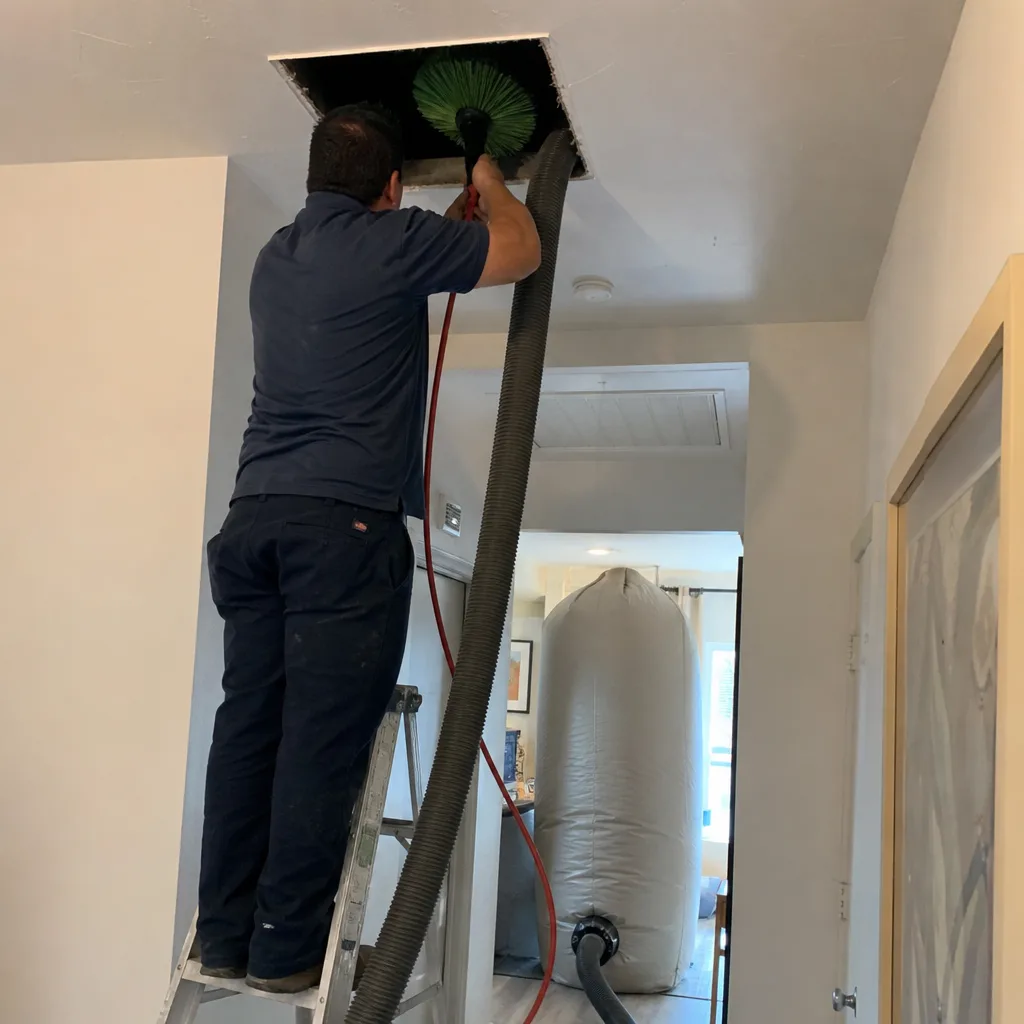
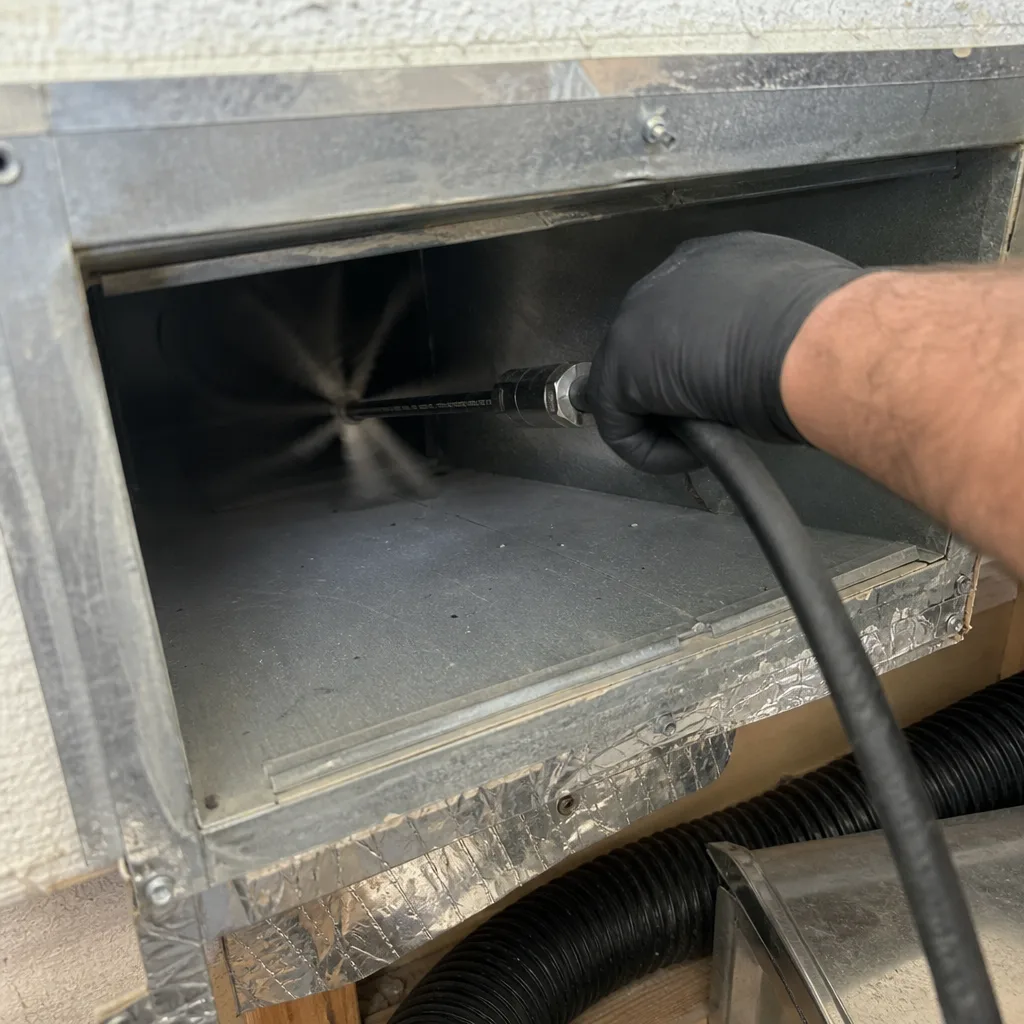
- Cleaning method: negative-pressure extraction, contact vacuuming, or both
A scope that says “whole house duct cleaning” without line items is not a scope. It is a marketing phrase. In Leander, we’ve seen “whole house” quotes that excluded the air handler entirely, or that counted a single multi-level trunk line as one “run” when it served six rooms. The written scope prevents that ambiguity.
2. Itemized Price
The price should attach to the scope. You should see:
- Per-system or per-run pricing, not per-vent pricing (per-vent pricing encourages contractors to inflate vent counts or skip connected ductwork)
- Separate line items for add-ons like sanitizing, sealant application, or dryer vent cleaning
- Any trip charges or access fees for crawl spaces or attics
At CleanRun, we operate under Haven Standard Clause 1: written price before any work starts, every time. The price you see before the crew arrives is the price on the final invoice. No exceptions.
3. Proof of Liability Insurance
Request a certificate of insurance (COI) naming your property address as the job site. General liability coverage of $1 million per occurrence is standard for this trade. The COI should show:
- Policy effective dates that cover your scheduled appointment
- The contractor’s legal business name (verify it matches the name on your quote)
- Coverage for “completed operations” (protects you if damage appears after the crew leaves)
Many Leander homes built after 2015 have flexible ductwork in unconditioned attics. That material tears easily if mishandled. Insurance is not theoretical protection. It is the document that determines whether you or the contractor absorb the cost of a mistake.
4. NADCA Membership or Equivalent Certification
The National Air Duct Cleaners Association (NADCA) is the closest this industry has to a standard-setting body. NADCA-certified companies follow ACR, the NADCA Standard for Assessment, Cleaning, and Restoration of HVAC Systems. Certification requires:
- At least one technician on staff who has passed the ASCS (Air Systems Cleaning Specialist) exam
- Adherence to cleaning standards that specify equipment, methods, and verification
- Ongoing education requirements
If a contractor is not NADCA-certified, ask what standard they follow instead. Some reputable companies maintain equivalent credentials through the Indoor Air Quality Association (IAQA) or manufacturer training programs from equipment makers like Abatement Technologies or Rotobrush. The key is that they can name a standard and show documentation. “We’ve been doing this for years” is not a standard.
How to Tell a Real Inspection From a Sales Call
Many Leander contractors offer a “free inspection” that functions as a high-pressure sales appointment. Here’s how to distinguish the two.
A real inspection:
- The technician asks about your HVAC system’s age, filter change frequency, and any recent renovations
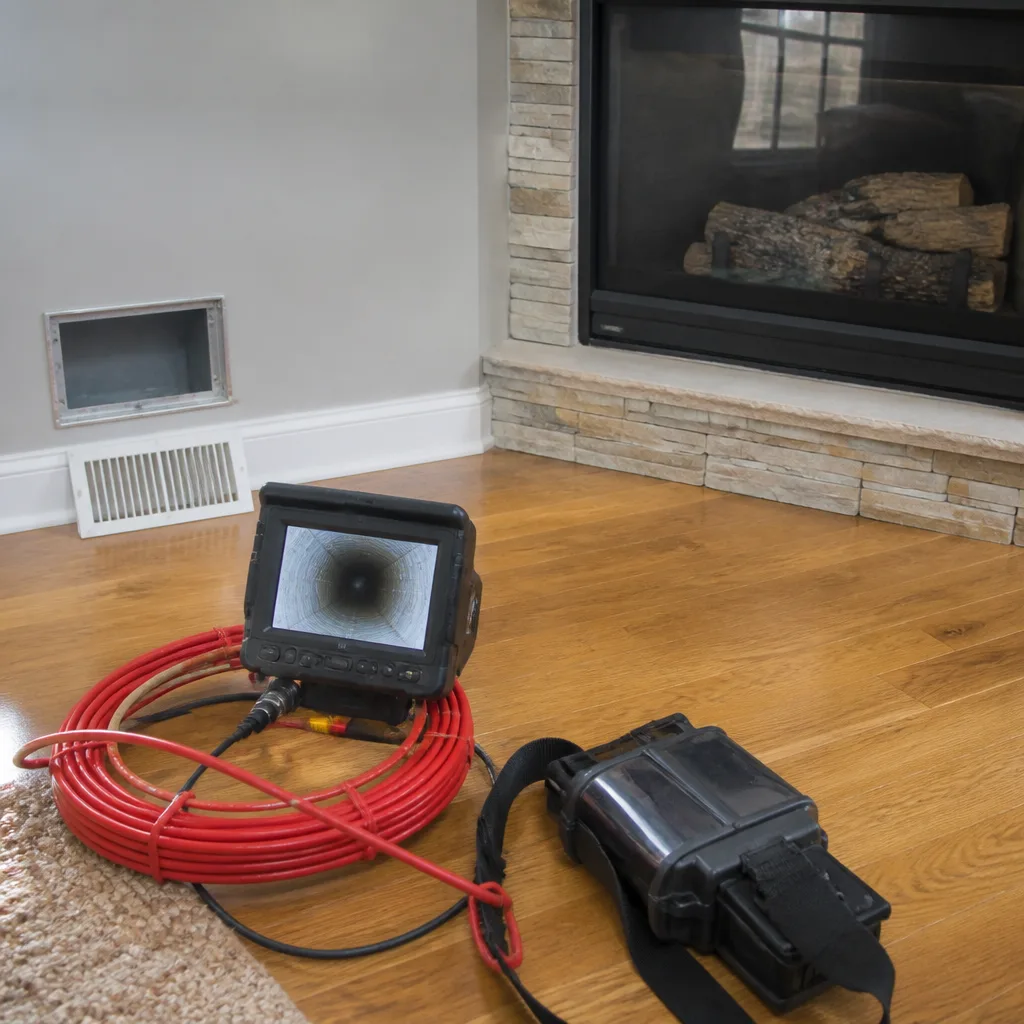
- They inspect the air handler, plenum, and at least one accessible duct run with a camera or borescope
- They show you what they found and explain whether cleaning is indicated
- They leave you with a written scope and price, with no requirement to book immediately
- Their recommendation is conditional: “Based on what the camera showed, here’s what we suggest and why”
A sales call dressed as inspection:
- The “technician” arrives with a pre-written quote already prepared
- They use fear language about mold, bacteria, or “contaminated air” without laboratory evidence
- They offer a “today only” discount that expires when they walk out the door
- They recommend immediate add-ons (UV lights, ozone treatment, sealant) before establishing whether basic cleaning is needed
- They cannot or will not show you the inside of your own ducts
The specific language to listen for: “We need to treat this right away” without showing you the condition, or “Your family is breathing this” as a closing tactic. Real technicians describe what they observe. Sales operators describe what you should fear.
In our experience across Leander neighborhoods from Crystal Falls to Travisso, the homes that most often need cleaning are those with recent construction dust accumulation, pet hair from multiple animals, or systems that ran without filtration during renovation. A real inspection identifies these factors specifically. A sales call generalizes them into urgency.
How to Read and Compare Quotes
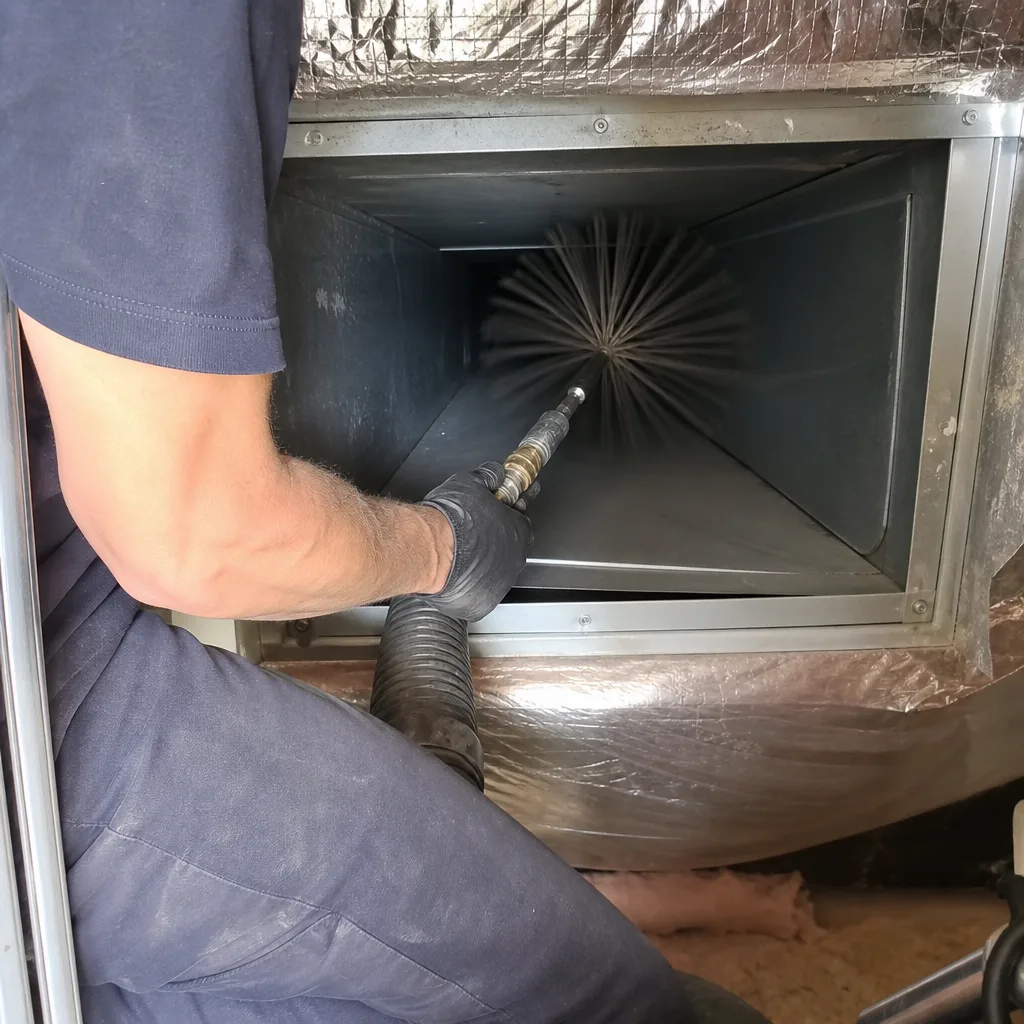
Leander homeowners routinely receive quotes that use different language for the same work. Here is a translation guide for common scope-of-work terms.
| Contractor Says | What to Ask | What It Should Mean |
|---|---|---|
| “Complete system cleaning” | Does this include the air handler and blower? | All supply runs, all return runs, plenum, air handler cabinet, and blower assembly |
| “X number of vents” | Is this supply vents, return vents, or both? Are the connected duct runs included? | Count of register openings plus the ductwork behind each |
| “Negative-pressure cleaning” | What equipment generates the negative pressure? Is contact agitation used? | A vacuum source (typically truck-mounted or portable HEPA) creating suction at the duct opening, combined with mechanical brushing or compressed air whipping inside the duct |
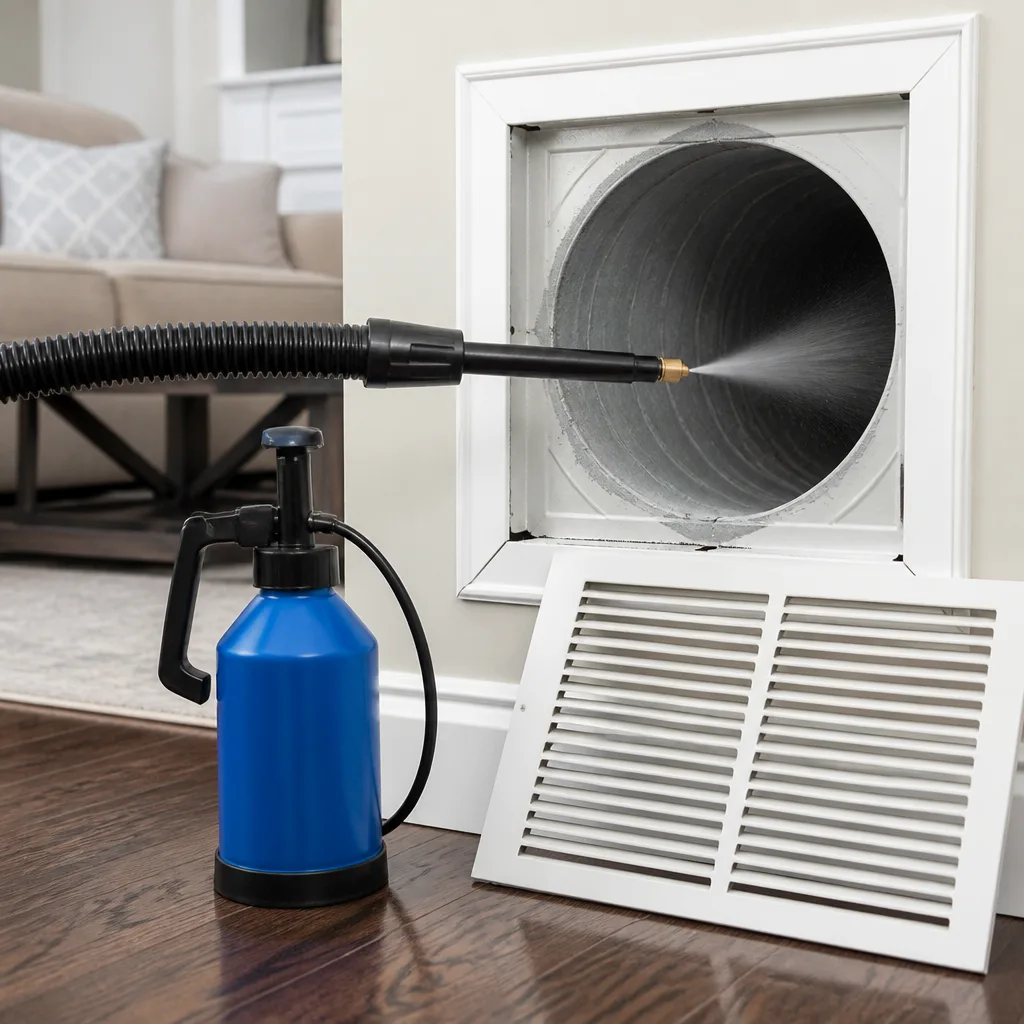
| “Sanitizing included” | What product is used? Is it EPA-registered for HVAC systems? | A specific, named antimicrobial product applied after mechanical cleaning, with EPA registration number available on request |
| “Before and after photos” | How many duct runs are photographed? Are they delivered to me? | Every cleaned duct run, with photos delivered as part of the job record |
When comparing two quotes, create your own line-item checklist. Mark “included,” “not included,” or “unclear” for each element. A $350 quote that covers the full system with photo documentation may deliver more value than a $199 quote that excludes the air handler and charges extra per “additional vent” discovered on arrival.
At CleanRun, our quotes specify the equipment we will use, drawn from our roster of Rotobrush contact cleaning systems, Nikro and Abatement Technologies negative-pressure equipment, and Aprilaire and Honeywell filtration components. Customers can verify these brands independently before agreeing to the scope.
Red Flags Specific to the Leander Market
The Austin metro duct cleaning market has developed specific patterns that Leander homeowners should recognize.
Bait-and-switch pricing on mold treatment add-ons
A contractor quotes $189 for “complete cleaning,” then discovers “mold” during the job and quotes an additional $400-$800 for treatment. The mold is rarely verified by laboratory analysis. In Texas, mold remediation requires a separate license under the Texas Mold Assessment and Remediation Rules (TMARR). If a duct cleaner finds mold, they should stop work and refer you to a licensed mold assessment consultant. They should not offer to treat it on the spot for cash.
“Whole house” quotes that exclude the air handler
Leander’s hot summers mean air handlers work hard and accumulate dust on blower wheels and evaporator coils. A quote that cleans ducts but leaves the air handler untouched is incomplete. The air handler is where conditioned air mixes with whatever the ducts contain. Cleaning one without the other is cosmetic.
Per-vent pricing with inflated counts
Some contractors count each register and each connected duct run separately, effectively doubling the vent count. Others count dual-supply rooms as two vents when they connect to a single duct branch. A written scope with a floor-plan-based count prevents this.
Unmarked vehicles and unidentifiable technicians
Leander’s rapid growth has attracted itinerant operators who work from personal vehicles with magnetic signs. These crews often lack insurance, disappear after complaints, and reappear under new names. Haven Standard Clause 3: Verified Crews requires background-checked, uniformed technicians identified by name before arrival. Any contractor who cannot tell you who will arrive and when is not operating with that standard.
Pressure to book immediately after “inspection”
The Cedar Park and Round Rock corridors have seen operators who travel with pre-printed contracts and portable card readers. Their goal is same-day closure, not informed decision-making. A legitimate contractor in Leander will leave you with documentation and a valid quote that does not expire in hours.
What the Contract Should Actually Say
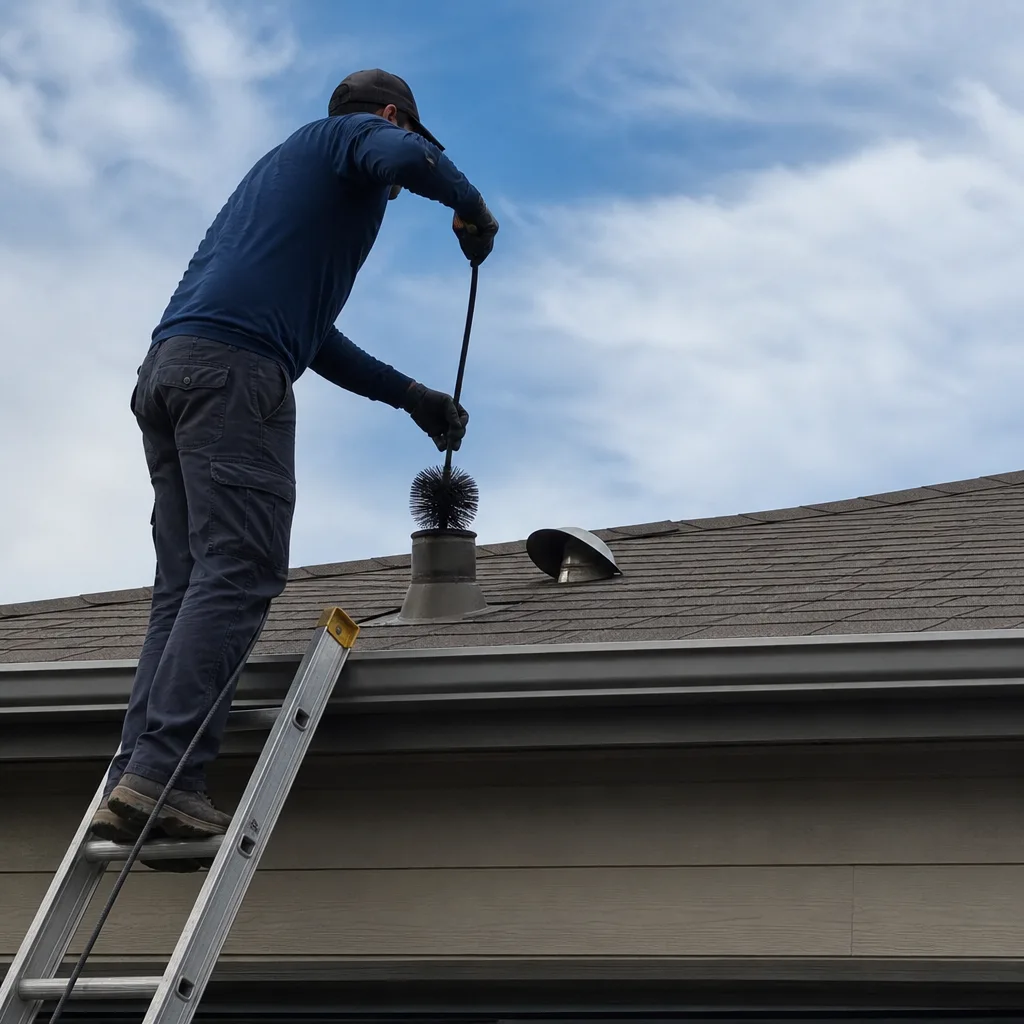
The written agreement you sign before work begins should contain specific elements. Not marketing language. Operational commitments.
Photo Documentation Requirements
The contract should state:
- Which duct runs will be photographed (answer: all of them)
- Whether photos are taken before cleaning, after cleaning, or both
- How and when the customer receives the photo record
At CleanRun, the Documented Photo Record is a standard deliverable on every visit, included in the base price, not an add-on. The customer receives images of every duct run showing the condition before our crew started and the condition after completion. This practice has been in place since our first job in 2013.
Completion Criteria
The contract should define when the job is finished. Examples of specific criteria:
- “All accessible supply and return duct runs cleaned to NADCA ACR visual standard”
- “Air handler cabinet and blower assembly free of visible debris”
- “All registers and grilles cleaned and reinstalled”
- “Work area left in condition matching pre-work state”
Vague language like “cleaned to industry standards” is not completion criteria. It is a loophole.
Missed or Improperly Cleaned Duct Runs
The contract should specify the remedy if a duct run is missed or remains visibly soiled after cleaning. This is where guarantees become meaningful. CleanRun’s 365-Day Done Right Promise states: if the work is not right, we make it right. This is backed in writing on every job, not stated in marketing copy and subject to manager approval. The promise attaches to the specific address and scope, not to a general policy that may or may not apply.
Equipment Specification
The contract or attached scope should name the primary equipment to be used. This allows you to verify that the crew arrives with professional-grade tools, not shop vacuums and compressed air nozzles from a hardware store. Guardsman protective products, Rotobrush mechanical systems, and Nikro HEPA vacuums are examples of equipment that customers can research independently.
Price Lock and Change Order Protocol
Haven Standard Clause 1 requires a written price before any work starts. The contract should state that no additional charges apply without a written change order signed by the customer. This prevents the “we found an extra vent” or “your system needs sanitizing” upsell at the point of service.
Common Mistakes to Avoid
- Booking based on coupon price alone. The $79 coupon in your mailbox is designed to get a foot in the door. The average invoice from coupon-driven operations in the Austin metro runs $400-$600 after add-ons. Request the full written scope before comparing prices.
- Assuming newer homes need no cleaning. Leander’s construction boom from 2015-2023 left substantial drywall dust, insulation fragments, and construction debris in duct systems. New homeowners often wait years, assuming “new” means “clean.” The camera usually shows otherwise.
- Accepting verbal promises about photo documentation. If the contract does not specify photos of every duct run, delivered to you, the promise is not enforceable. Ask to see a sample photo record from a previous job.
- Ignoring the air handler. A quote that cleans ducts but never opens the air handler cabinet is incomplete. In Leander’s climate, the blower wheel and evaporator coil accumulate debris that circulates back into cleaned ducts.
- Not verifying insurance at the specific address. A contractor may carry liability insurance for their business location but not extend coverage to your job site. Request a COI with your address listed as additional insured or certificate holder.
- Treating NADCA membership as optional. In an unlicensed trade, third-party standards are the primary quality signal. A contractor without NADCA, IAQA, or equivalent manufacturer training has no external accountability for method or outcome.
- Signing without reading the completion criteria. The contract should tell you exactly what “done” looks like. If it does not, you have no basis to dispute incomplete work.
When to Call a Professional
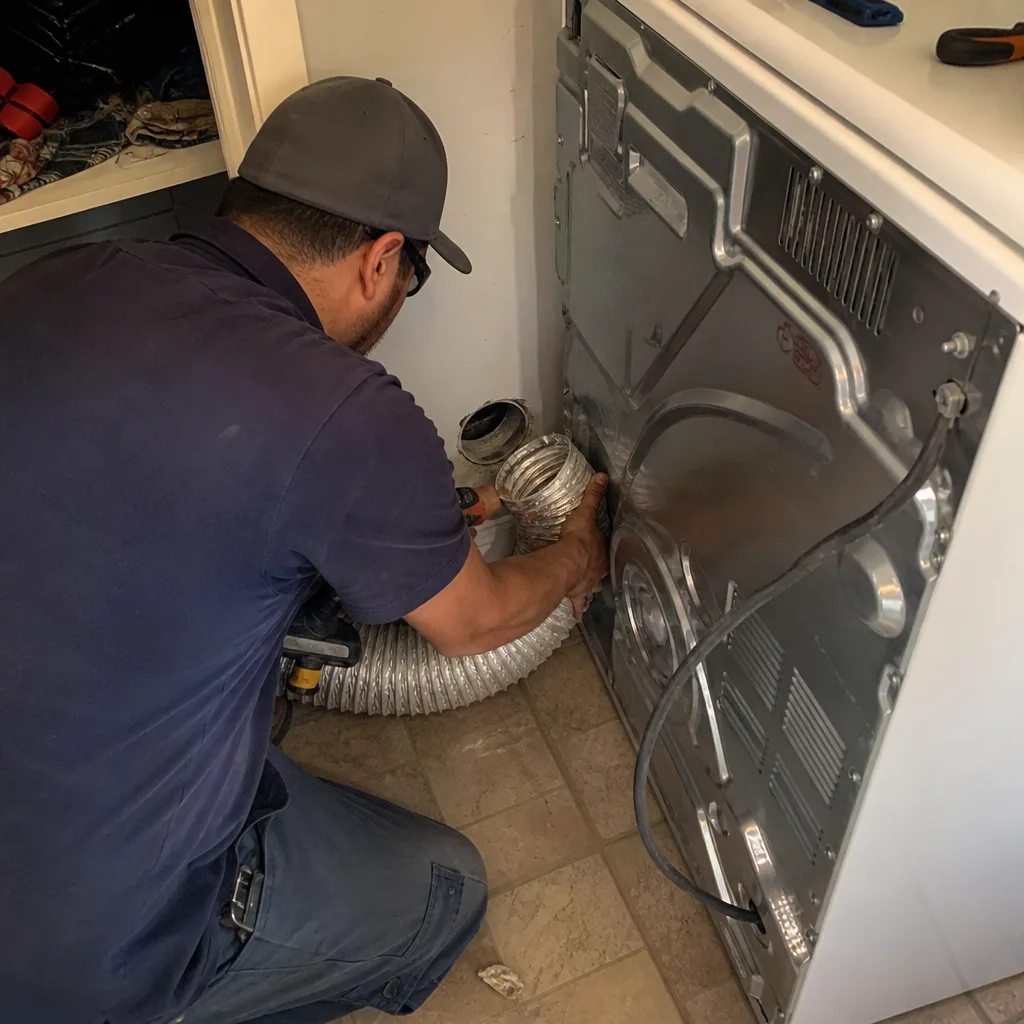
Call a contractor when you can see dust buildup at registers, when airflow varies significantly between rooms, or when your HVAC filter loads faster than manufacturer specifications suggest. After renovation, after water intrusion, or when moving into a previously occupied home in Leander are also appropriate times.
Do not call for “routine maintenance” on a fixed schedule unless your system conditions justify it. NADCA recommends cleaning “as needed” rather than on a calendar interval. The need is determined by inspection, not by marketing.
CleanRun Air Duct Cleaning Leander offers free estimates in Leander. We’ll inspect your system, show you what the camera sees, and deliver a written price before any work starts. Call (737) 252-1285.
Frequently Asked Questions
Whole-system air duct cleaning in Leander typically ranges from $350 to $650 for a standard single-system home, depending on duct count, accessibility, and whether the air handler is included - see our Air Duct Cleaning Cost Breakdown: The Leander Homeowner’s Reference for 2026 for full details. Add-ons like dryer vent cleaning or sanitizing are separate line items. Call (737) 252-1285 for an exact quote on your specific system - estimates are free.
Low quotes usually exclude the air handler, use per-vent pricing that increases on arrival, or rely on equipment insufficient for the job. The $79-$149 range in Leander typically covers a cursory vacuum of accessible registers, not full duct runs. Request a written scope and verify what “complete” actually means.
Require photo documentation of every duct run, before and after, delivered as part of the job record. At CleanRun, this Documented Photo Record is standard on every visit - not an upgrade. If a contractor cannot or will not provide it, you are buying a service with no verification mechanism.
There is no fixed calendar interval that applies to all homes. NADCA recommends cleaning when inspection shows visible contamination or when system performance degrades. In Leander, homes with multiple pets, recent construction, or high pollen exposure may need more frequent attention. A camera inspection determines need better than a schedule.
No. Texas does not require a specific license for air duct cleaning. HVAC technicians who modify mechanical components need TDLR licensing, but duct cleaning alone does not. This makes documentation - insurance, standards adherence, written guarantees - more important than in regulated trades.
Stop work and request laboratory confirmation. In Texas, mold assessment and remediation require separate licensing under TMARR. A duct cleaner who offers immediate mold treatment is likely operating outside their legal scope. The proper sequence: stop, test, refer to a licensed mold consultant if confirmed.
The Bottom Line
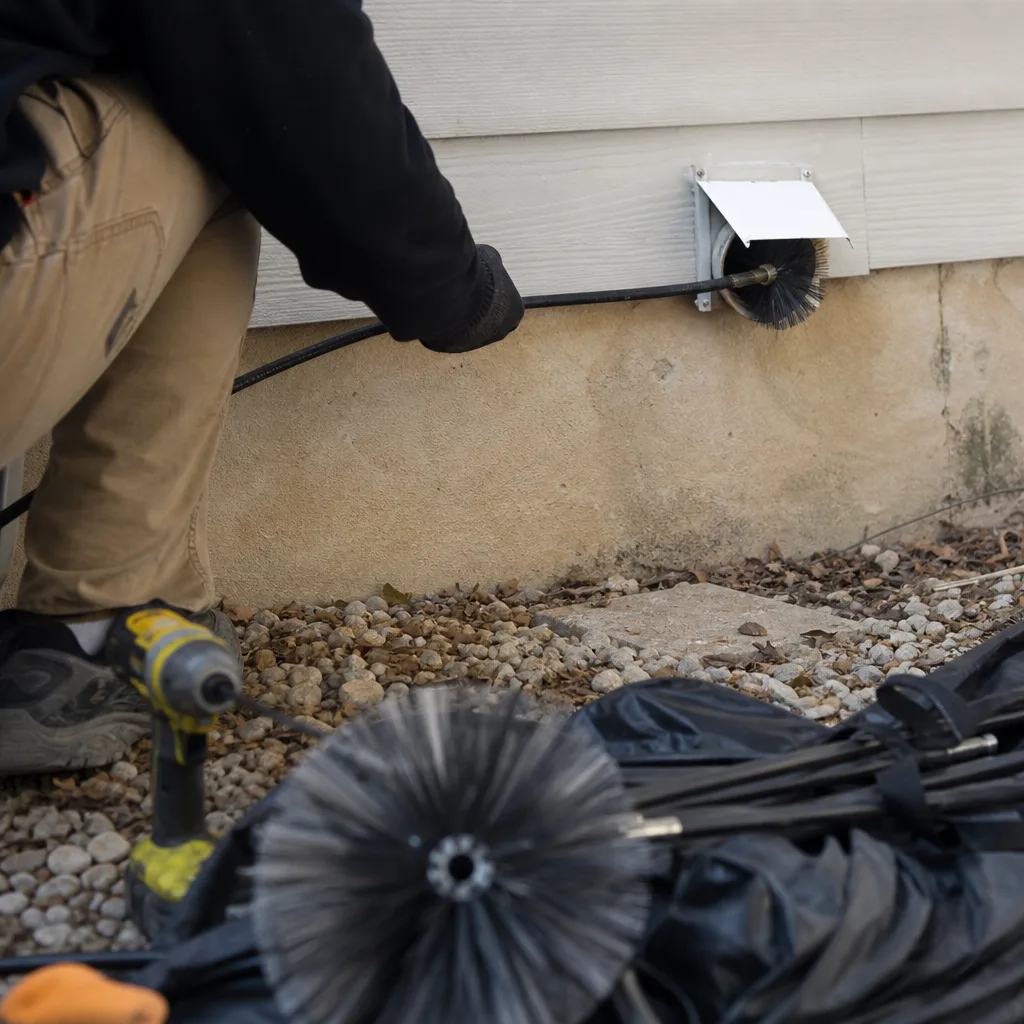
Hiring an air duct cleaning contractor in Leander requires active verification because the state provides no licensing safety net. The contractors worth hiring produce four documents without prompting: written scope, itemized price, proof of insurance, and certification evidence. They conduct inspections that observe before recommending. They specify completion criteria in writing and back their work with enforceable guarantees. Everything else - urgency, fear, undocumented promises - is noise. Use the checklist in this guide, compare quotes line by line, and do not sign until you know exactly what you are buying and how you will know it was delivered.
CleanRun Air Duct Cleaning Leander home | Air Duct Cleaning in Leander | Dryer Vent Cleaning in Leander | HVAC Cleaning in Leander
Written by Tomas Reyes, Owner at CleanRun Air Duct Cleaning Leander, serving Leander since 2013.