
Last updated September 23, 2026
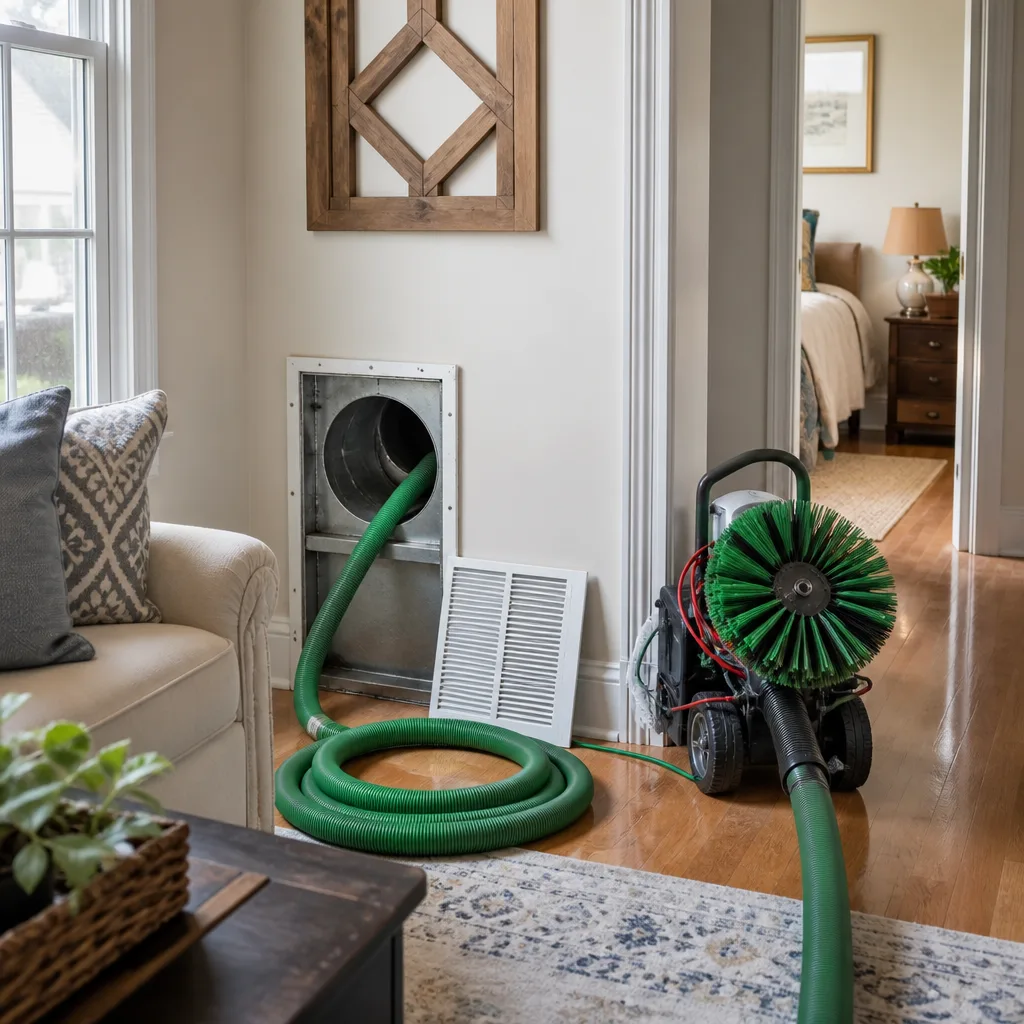
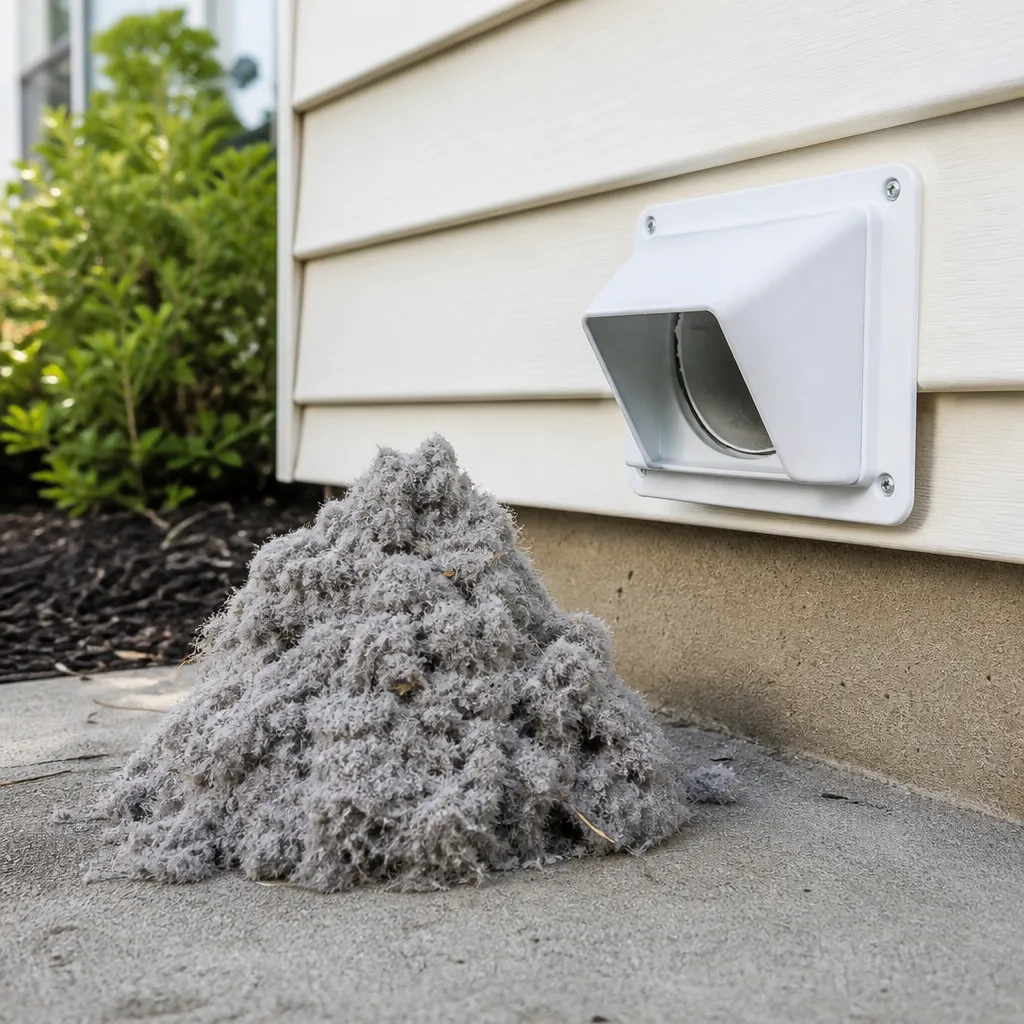
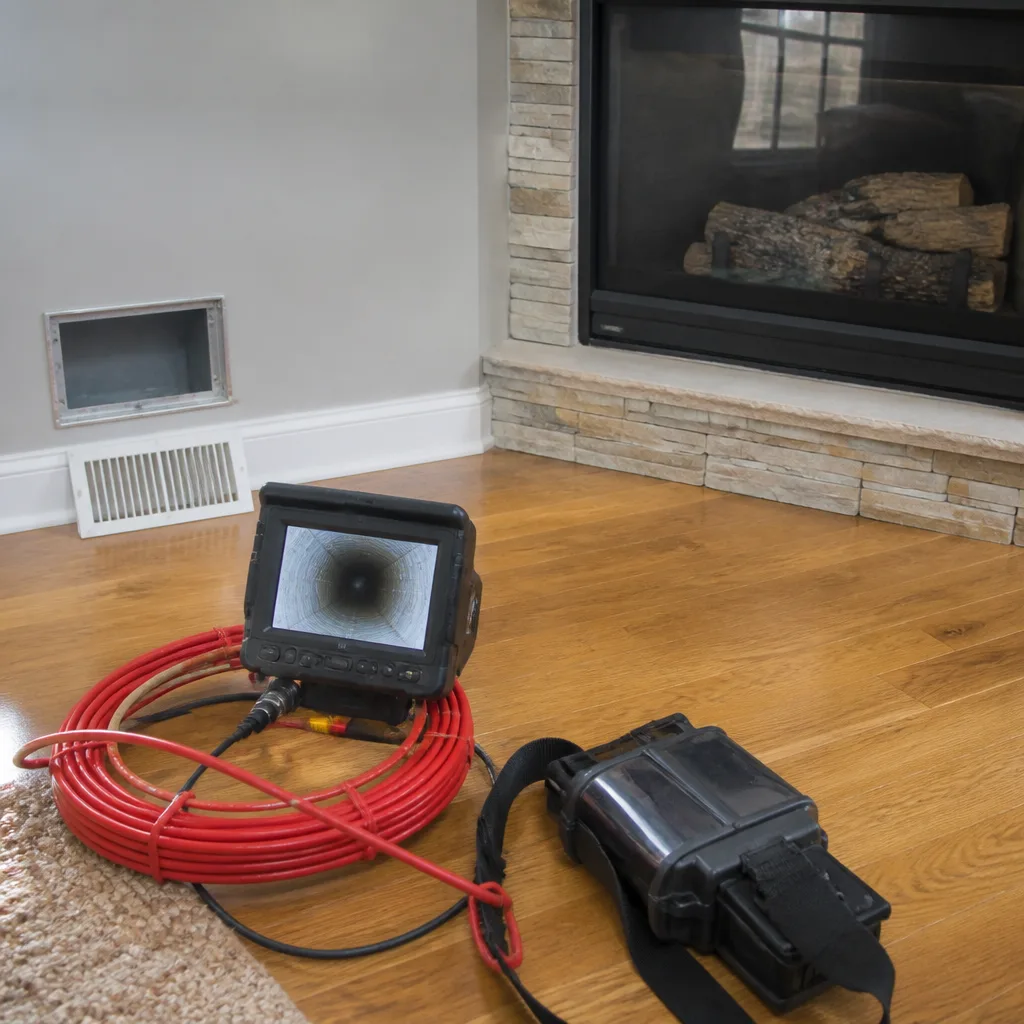
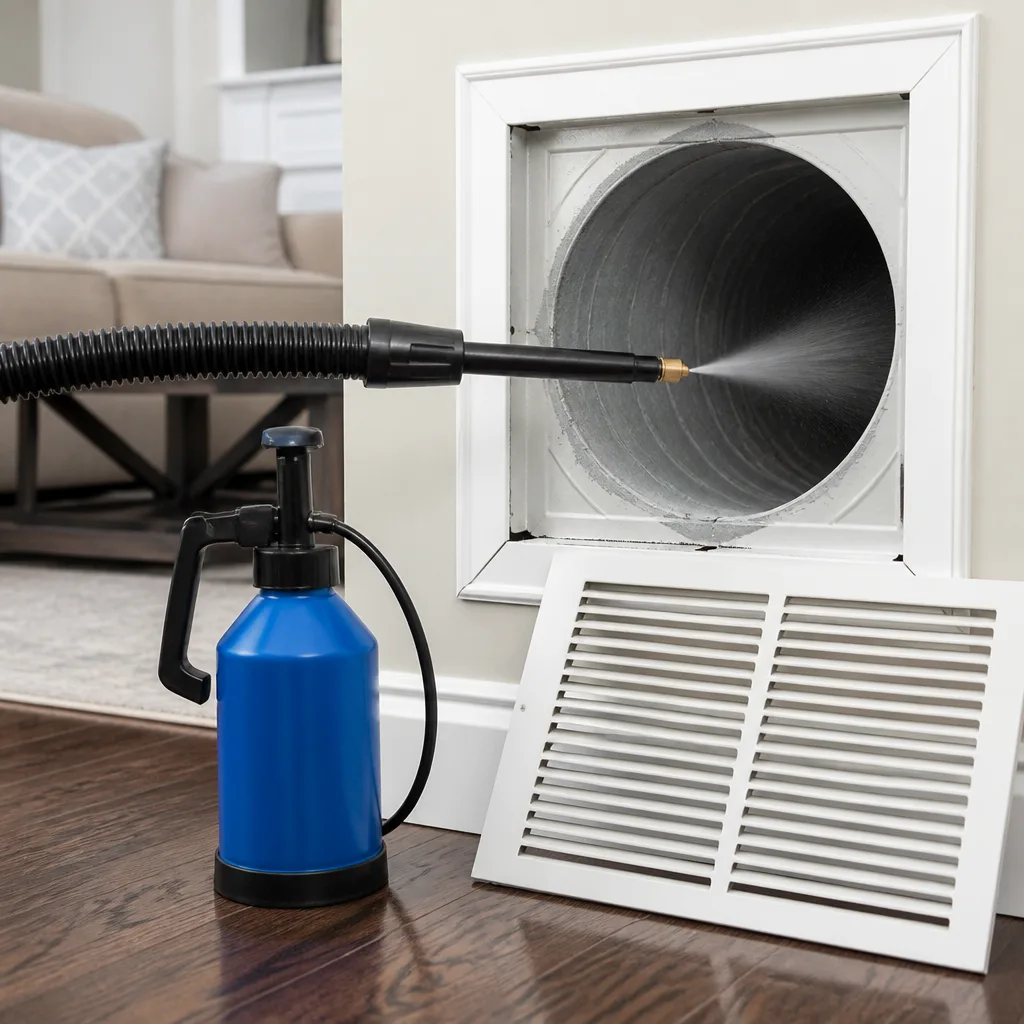
Whole-system duct and dryer vent check with before-and-after photos - you see exactly what came out of your vents
That "$99 whole-house special" is a bait ad - the real number appears once they are in your hallway, or the "clean" is a shop-vac at the register. We photograph the inside of your ducts before and after instead.
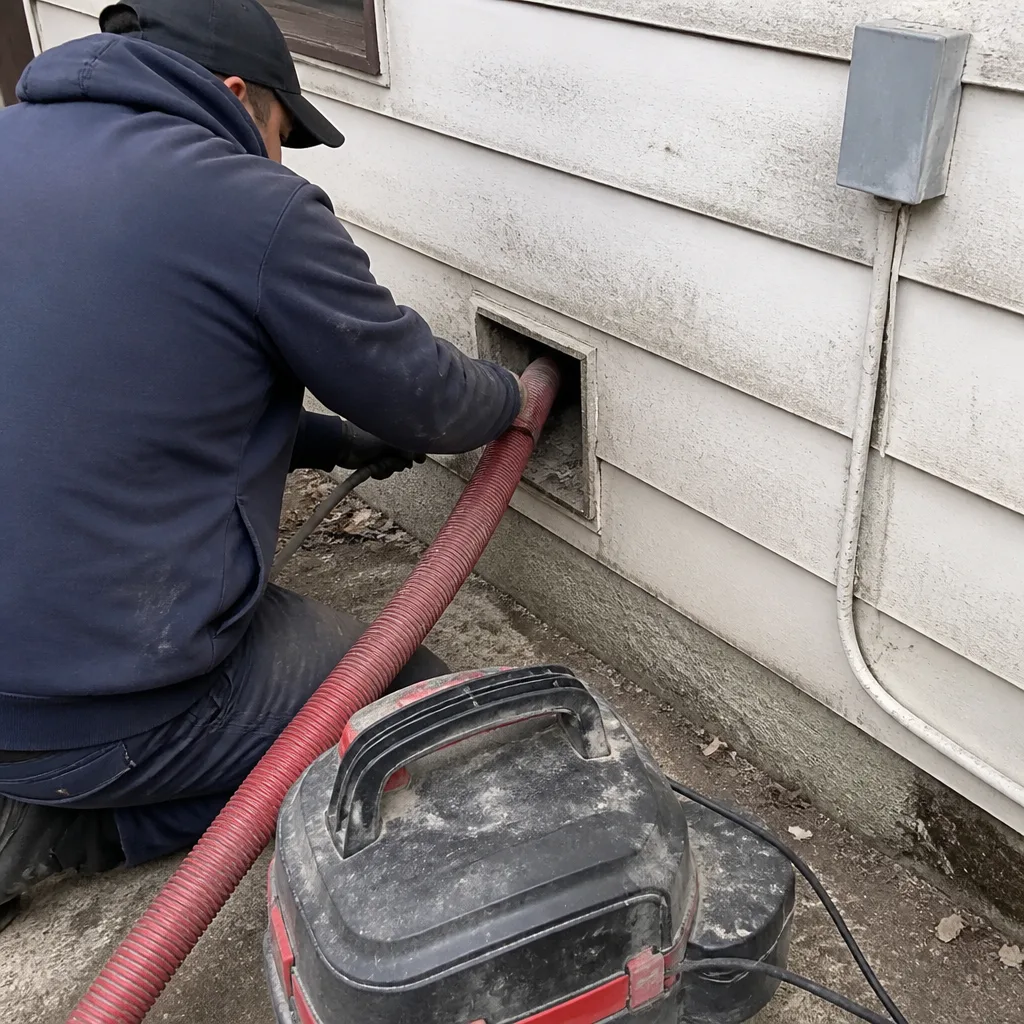 Before
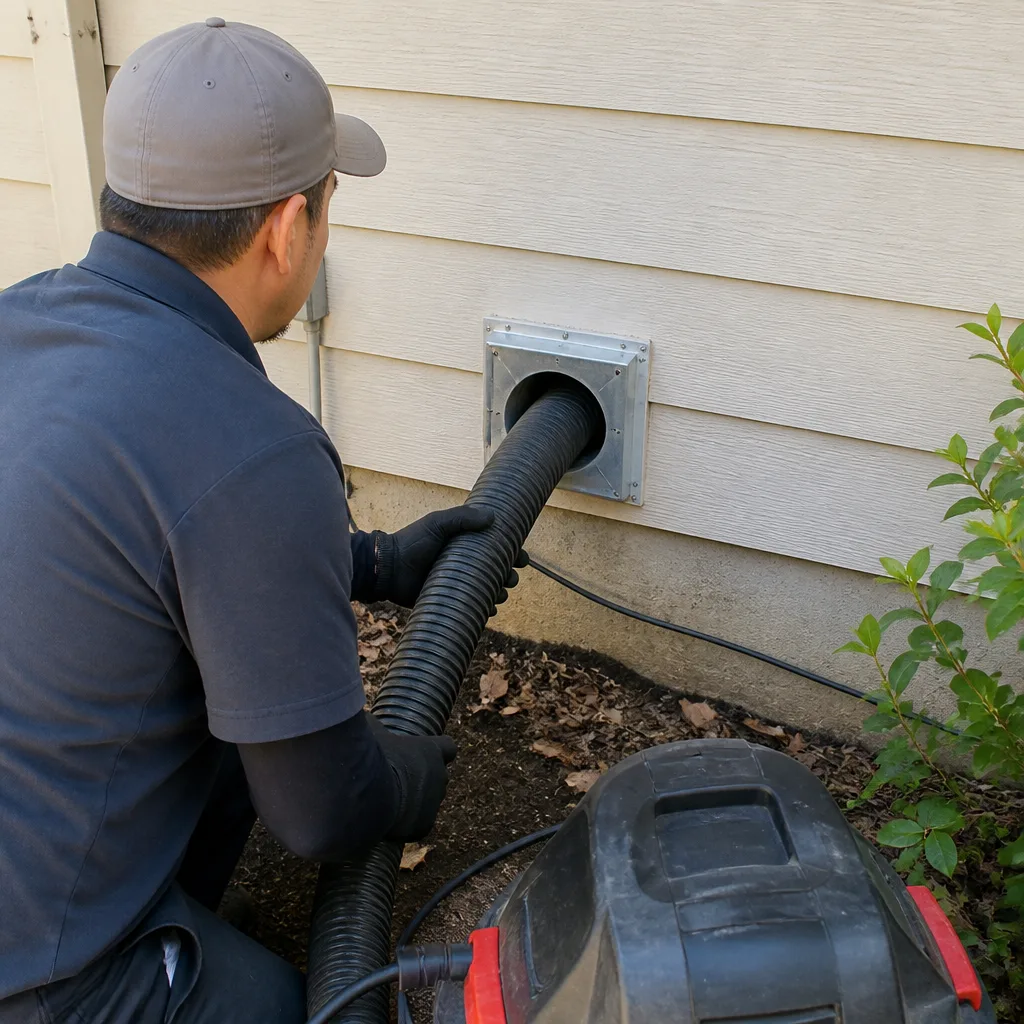 After
After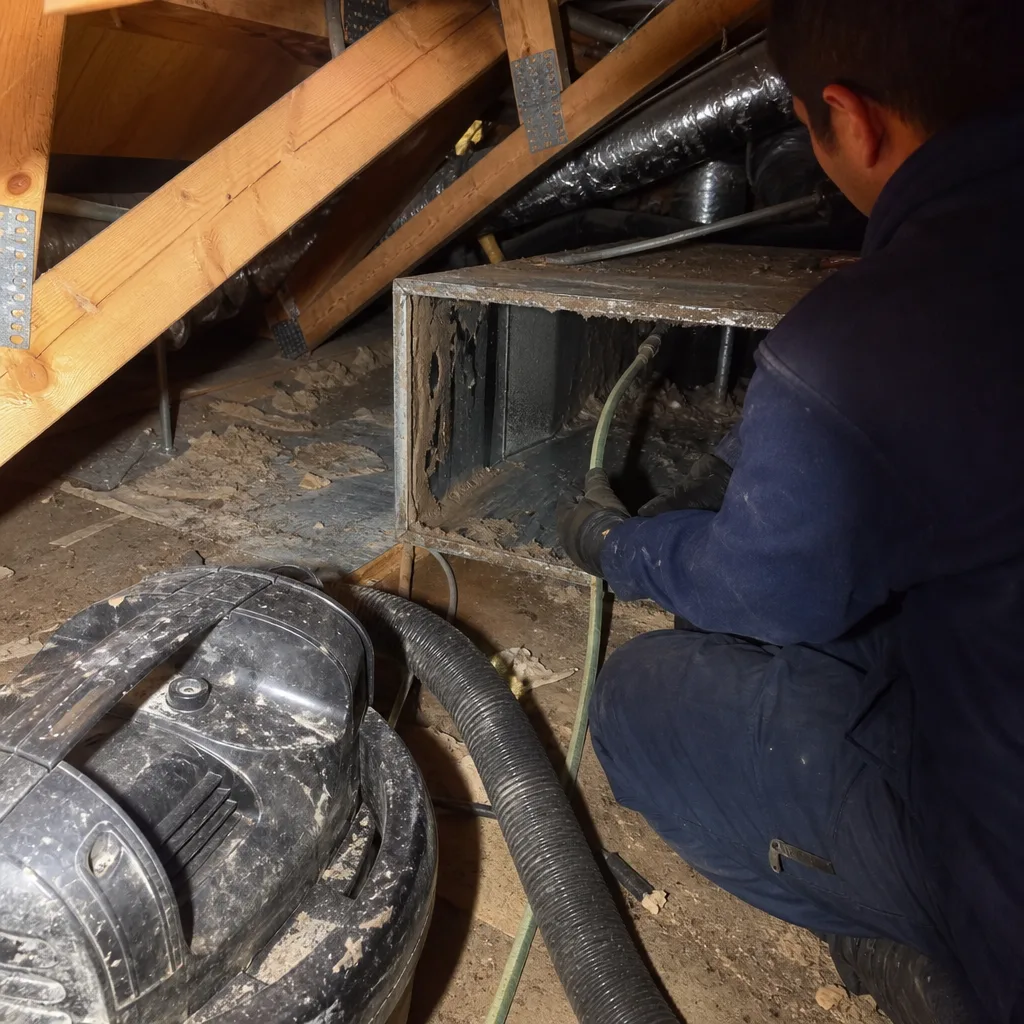 Before
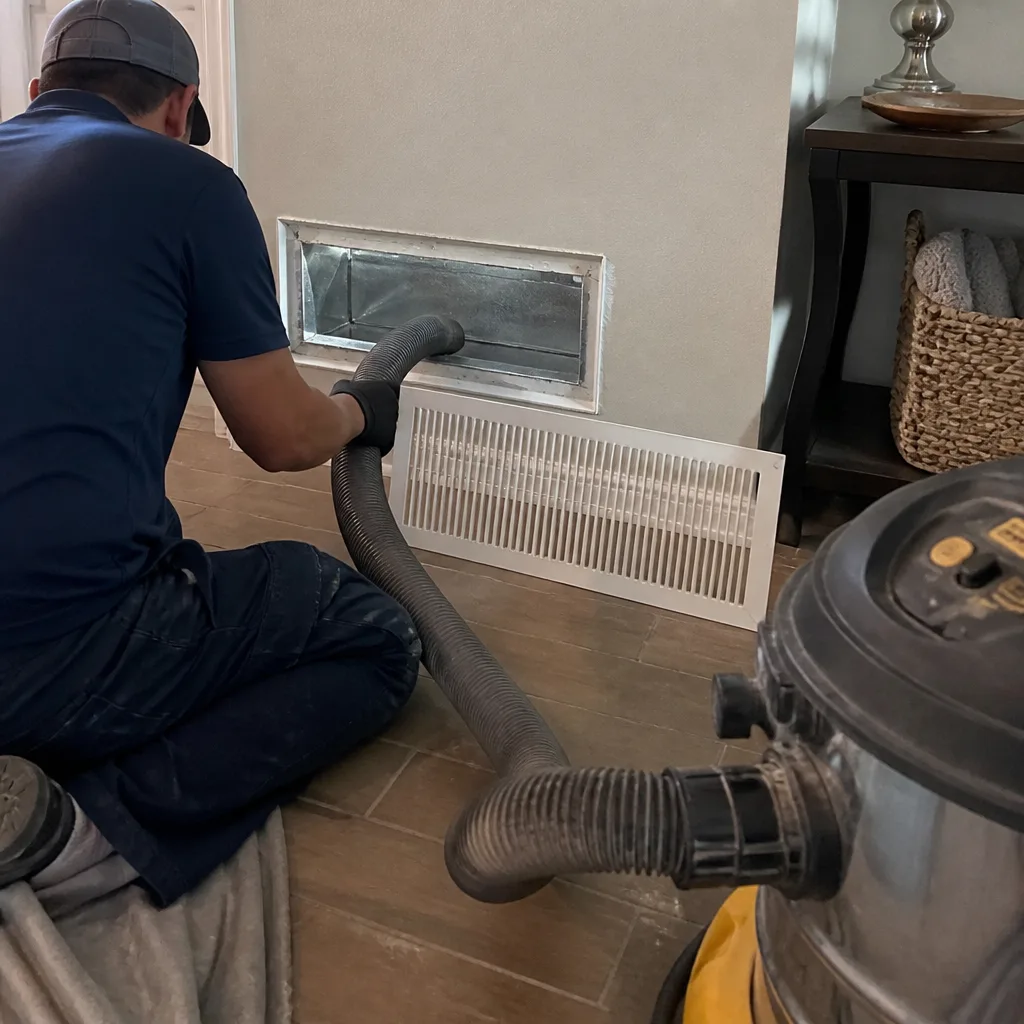 After
After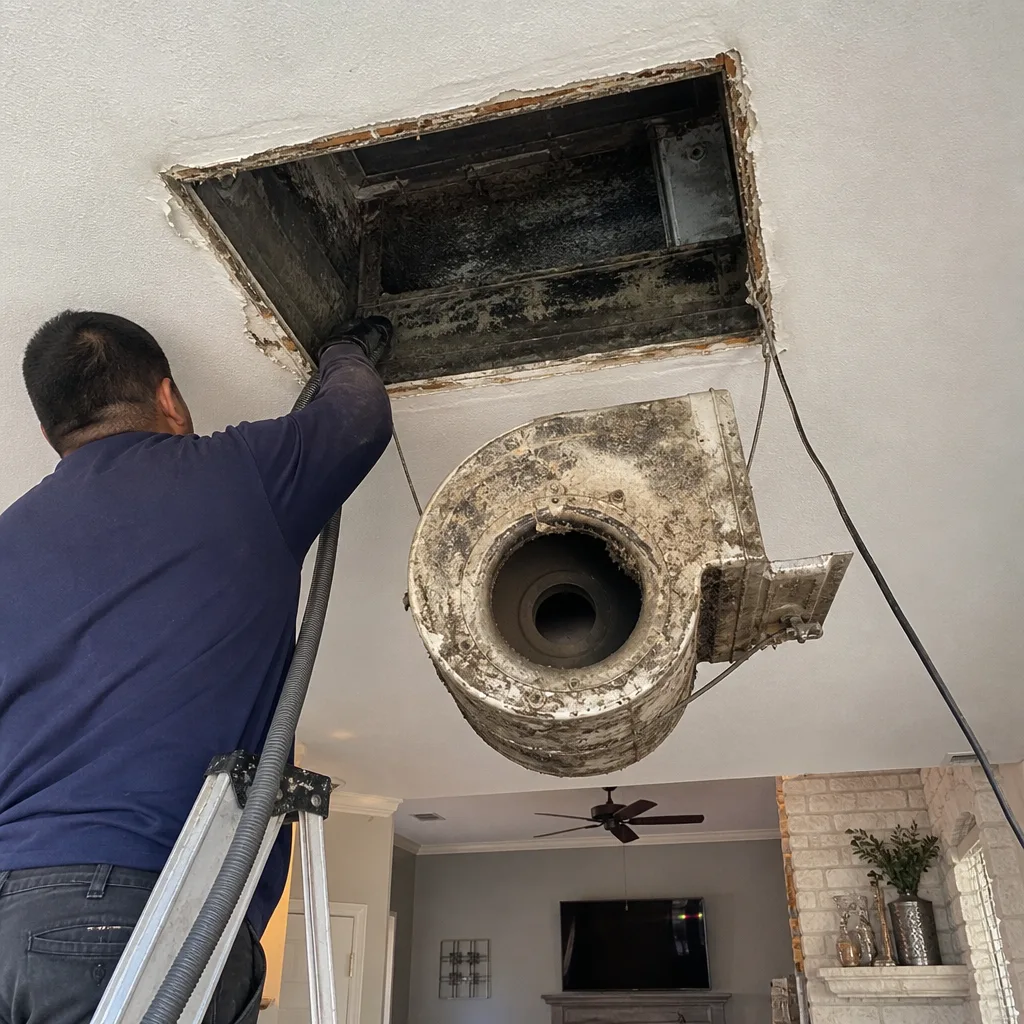 Before
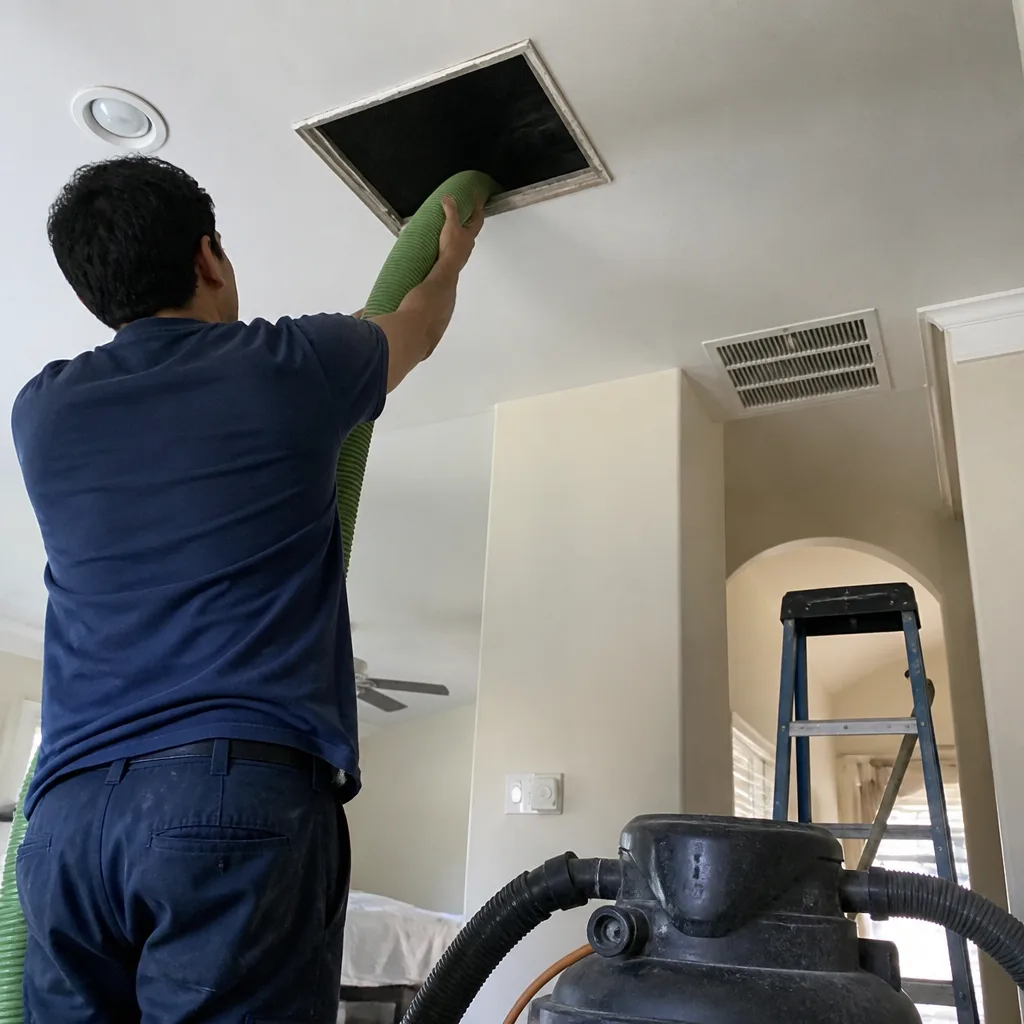 After
AfterAir Duct Cleaning Warning Signs: A Leander Homeowner’s Reference Guide
Dust on a register face is not a warning sign. It’s normal. The indicator that matters is dust that reappears within 48 hours of wiping, carries a greasy or sticky texture, or smells different in one room than another. In Leander, where new construction has outpaced infrastructure in corridors like Crystal Falls and Travisso since 2018, we’ve documented construction debris inside duct runs in homes that passed final inspection with clean-looking registers. This guide teaches you to observe, document, and describe what you find so any contractor you call has to respond to evidence, not sell you on fear. For a deeper dive, see The Complete Guide to Air Duct Cleaning in Leander.
Quick Answer
Leander homeowners should schedule our Air Duct Cleaning services when they observe three or more of these documentable signs: dust reappearing on registers within 48 hours of cleaning, persistent musty or chemical odors that vary by room, visible debris at register openings, uneven airflow between rooms on the same system, or respiratory symptoms that improve when leaving the house. Single signs can have innocent explanations; patterns are what matter.
Table of Contents
- What to Look For: Visual Warning Signs
- What to Smell For: Odor-Based Indicators
- What to Feel: Airflow and Temperature Irregularities
- Leander New-Construction Warning Signs
- How to Document Findings Before Calling a Contractor
- Signs That Indicate Something Beyond Cleaning
- Common Mistakes to Avoid
- When to Call a Professional
- Frequently Asked Questions
BeforeAfterWhat to Look For: Visual Warning Signs
Most visual “warning signs” lists fail because they describe what every house looks like on a Tuesday. We need to get specific about color, texture, pattern, and rate of recurrence.
Register Face Dust That Returns Within 48 Hours
Wipe a register face with a damp cloth. Note the color and texture. In Leander, we typically see pale gray, talc-fine dust from limestone-heavy Hill Country soil. If that same register shows visible accumulation two days later, and the texture is greasy or clumpy rather than dry and powdery, the duct run behind it is likely circulating debris faster than your filter can catch it.
The 48-hour window matters because normal household dust settles over 5-7 days. Rapid redeposit means the HVAC system is actively projecting material, not passively collecting it.
Dark Rings or Staining Around Register Edges
Look where the register meets the ceiling or wall. A thin gray line is normal air filtration. What isn’t normal: black or dark brown staining that wipes off with a moistened finger and smells musty. This pattern, called “ghosting” in the trade, often indicates mold or microbial growth on the duct interior surface near the register boot, the metal fitting that connects the duct to your ceiling.
In Leander’s climate, where summer humidity regularly pushes 70% and winter heating dries interior air to 25%, these conditions cycle repeatedly and can accelerate growth at the cold-metal junction.
Visible Debris at the Register Opening
Remove the register. Shine a flashlight into the duct. You should see smooth metal or flex duct lining. What you shouldn’t see:
- Chunks of material that look like insulation (fluffy, fibrous, pink or yellow)
- Wood shavings or drywall mud crumbs, especially in homes built 2018-2025
- Dark, irregular patches that don’t wipe away with a dry cloth
- Standing moisture or water staining
Take a photo. We’ll cover how to make it useful below.
Filter Clogging Faster Than 60 Days
A standard 1-inch pleated filter in a Leander home with typical occupancy should last 60-90 days. If you’re replacing monthly or more often, and the loaded side shows material that isn’t just gray dust (construction debris, pet hair matting, greasy residue), the ducts are likely holding enough debris that the filter is working overtime as a secondary collection point.
Excessive Dust on Horizontal Surfaces Near Returns
Return air grilles draw air in. If the wall or furniture surface beneath a return collects dust faster than other surfaces, the return duct may be pulling debris from inside itself. The pattern to note: is the dust worse directly below the return, or evenly distributed? Localized accumulation points to the duct, not general household activity.
What to Smell For: Odor-Based Indicators
Smell is the most underdocumented warning sign because homeowners struggle to describe it. We’ll give you the vocabulary.
Musty vs. Dusty vs. Chemical: A Three-Category System
Musty: Wet cardboard, damp basement, old books. Indicates moisture + organic material inside the duct system. In Leander, we see this most often in homes with crawl space or attic duct runs where condensation forms on cool metal during humid months. Musty odors that strengthen when the system first cycles on, then fade, suggest microbial growth on the coil or duct interior, not just household humidity.
Dusty: Dry, stale, like a storage closet. Normal in small doses when a system first starts after seasonal disuse. Concerning when persistent, room-specific, and accompanied by rapid register dust return. This is the smell of accumulated particulate being actively circulated.
Chemical: Sharp, solvent-like, or plastic. New construction homes in Leander’s fast-developing areas often have this profile from off-gassing materials, but if it persists beyond 18 months or intensifies when the HVAC runs, it can indicate VOCs (volatile organic compounds) adsorbed onto duct surfaces and rereleased by airflow. This is less common but worth documenting.
Room-to-Room Variation
Walk your house with the system running. Smell at each register. Note which rooms differ. Uneven odor distribution almost always means uneven contamination, which points to specific duct runs rather than whole-system issues. A contractor who quotes one price for “the whole house” without asking which rooms smell different is not investigating thoroughly.
Odors That Correspond to HVAC Cycle
Smell that appears 30-90 seconds after the blower starts, then fades: this is the “purge” pattern, where settled material in the duct is disturbed by airflow. Smell that builds during continuous operation: this suggests an active source, such as moisture or ongoing debris introduction. Document which pattern you observe. It changes what a technician should look for first.
What to Feel: Airflow and Temperature Irregularities
Your hand is a surprisingly good diagnostic tool. What matters is comparison, not absolute measurement.
The Paper Test
Hold a single sheet of printer paper against a supply register with the blower on high. It should pull flat and hold. Do this at every register. Variation of more than 30% between rooms on the same system suggests blockage, leakage, or collapse in the duct run serving the weaker room.
In Leander, we see this frequently in homes with flexible ductwork (flex duct) in attics, where summer heat can degrade the inner liner and cause sagging or collapse at elbows. The paper test identifies this without tools.
Temperature Stratification
With the system in cooling mode and the thermostat at a steady setting, compare supply air temperature at registers. A properly charged system should deliver air 14-20 degrees below return air temperature. More variation than 5 degrees between rooms suggests duct leakage or insulation failure in the run serving the warmer room.
Leander’s attic temperatures reach 140°F in July. Duct runs in unconditioned attics lose capacity through conduction and leakage. The warning sign is not that your upstairs is warmer, it’s that the temperature gap between rooms on the same system is widening over time.
Pressure Imbalance Symptoms
Doors that are hard to close when the system runs, or that slam when it shuts off, indicate pressure imbalance. This can mean a return duct is blocked or undersized, forcing the system to pull makeup air from unintended paths. In newer Leander homes with tight construction and single central returns, this is increasingly common and often misdiagnosed as a “need for cleaning” when the actual issue is duct design.
Leander New-Construction Warning Signs
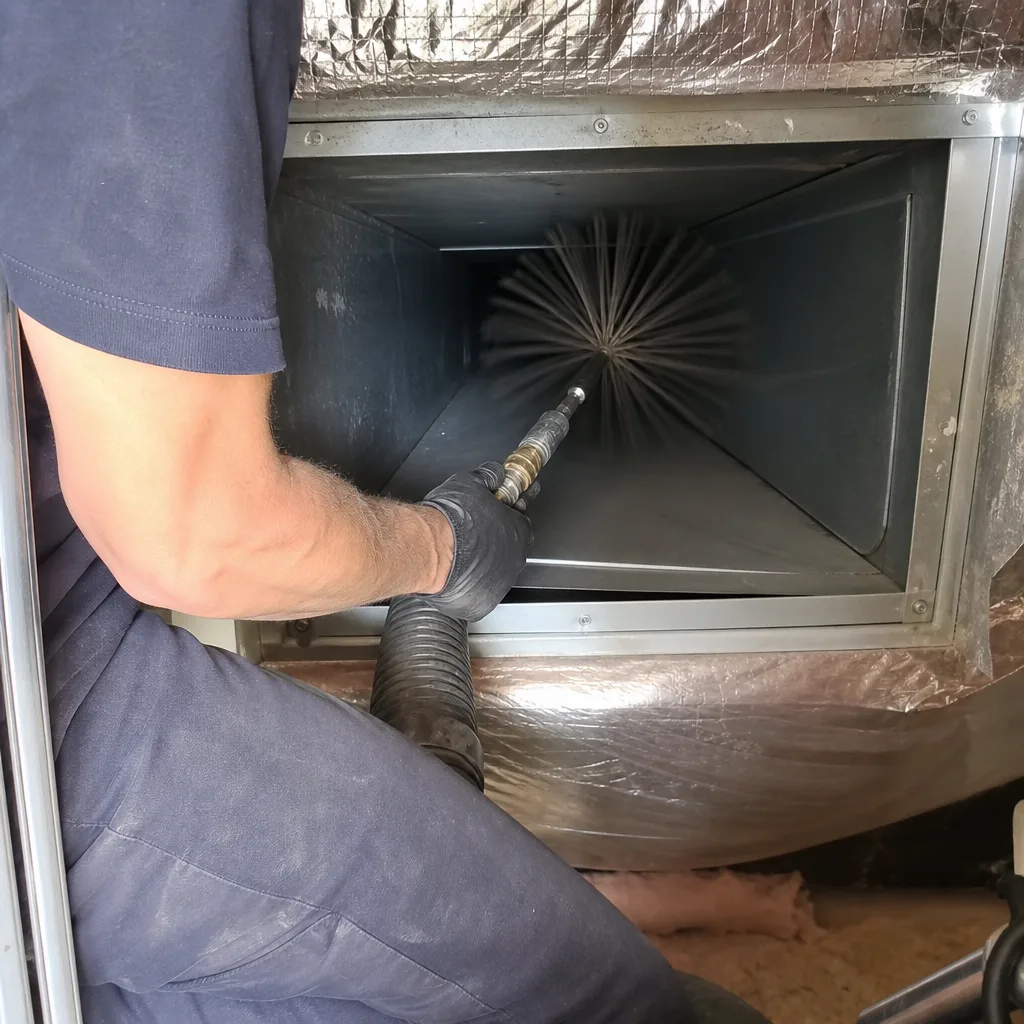
This section covers what competitors almost never address specifically.
The 2018-2025 Construction Boom Pattern
Leander’s population grew from 37,000 in 2015 to over 75,000 in 2024. The construction pace in developments like Bryson, Deerbrooke, and the eastern Travisso phases meant trades were often scheduled with minimal buffer time. We’ve found drywall mud, wood shavings, and even fast-food wrappers inside duct runs in homes that passed final inspection.
The critical difference: post-construction dust settling is normal and stops within 6-12 months. Construction debris inside ductwork continues to circulate indefinitely because the system itself moves it.
How to Tell the Difference
Normal settling dust: Fine, uniform, appears on all horizontal surfaces equally, diminishes with regular cleaning over the first year.
Duct debris from construction: Irregular particles, sometimes visible at register openings, includes material that doesn’t match household contents (white drywall mud in a home with painted walls, for example), and continues to appear regardless of surface cleaning frequency.
The HVAC-Ran-During-Construction Indicator
If your home’s ductwork was used as a temporary heat or cool source during framing or finishing, the filter was likely removed or bypassed to maintain airflow. The signature finding: a uniform coating of fine, pale dust on the interior duct surfaces that doesn’t brush away easily, plus debris accumulation at low points in the duct run where particles settled when the blower was off.
This is not a cleanliness failure. It’s a documentation failure. The builder’s HVAC subcontractor should have cleaned the system before turnover. Many didn’t.
Specific Leander Code Context
Texas does not mandate duct cleaning at certificate of occupancy. The International Residential Code, adopted by Leander with local amendments, requires duct systems to be “substantially free of debris” at completion, but enforcement is visual, not inspected with cameras. A register that looks clean tells you nothing about the 20 feet of duct behind it.
How to Document Findings Before Calling a Contractor
Your documentation determines whether a contractor treats you as an informed customer or a sales target. Here’s how to do it properly, and find more guides & resources in our blog.
Step 1: The Register Photo
- Remove the register. Set aside.
- Turn off the room lights. Use your phone flashlight as the sole light source.
- Hold the phone parallel to the duct opening, not angled down into it. The goal is to see the duct wall surface, not create a tunnel perspective.
- Take three shots: one straight in, one angled to show the register boot connection, one with the flashlight held to the side to create shadow contrast on any surface irregularities.
- Include a recognizable object for scale, a pen or your thumb, in at least one frame.
Blurry, overexposed, or unlit photos are the norm we see from customers. These five steps take 90 seconds and produce evidence a technician can actually use for preliminary assessment.
Step 2: The Dust Sample Note
Wipe a register with a white paper towel. Note: color, texture (dry, greasy, gritty), and odor. Photograph the towel. Label with date, room, and how many days since last cleaning. This creates a timestamped record that prevents the “it was just normal dust” dismissal.
Step 3: The Room-by-Room Log
Create a simple table:
- Room name
- Register dust return rate (days to visible accumulation)
- Odor description and intensity (1-5)
- Paper test result (holds / sags / falls)
- Temperature at register after 10 minutes of continuous operation
A contractor who sees this level of documentation will either match it with their own or reveal themselves as unprepared. Either outcome is useful.
Step 4: The Filter Record
Photograph each filter at replacement, loaded side up, with the replacement date visible. Note the MERV rating printed on the frame. If you’re replacing faster than 60 days, this record proves the system is working harder than design parameters.
Signs That Indicate Something Beyond Cleaning
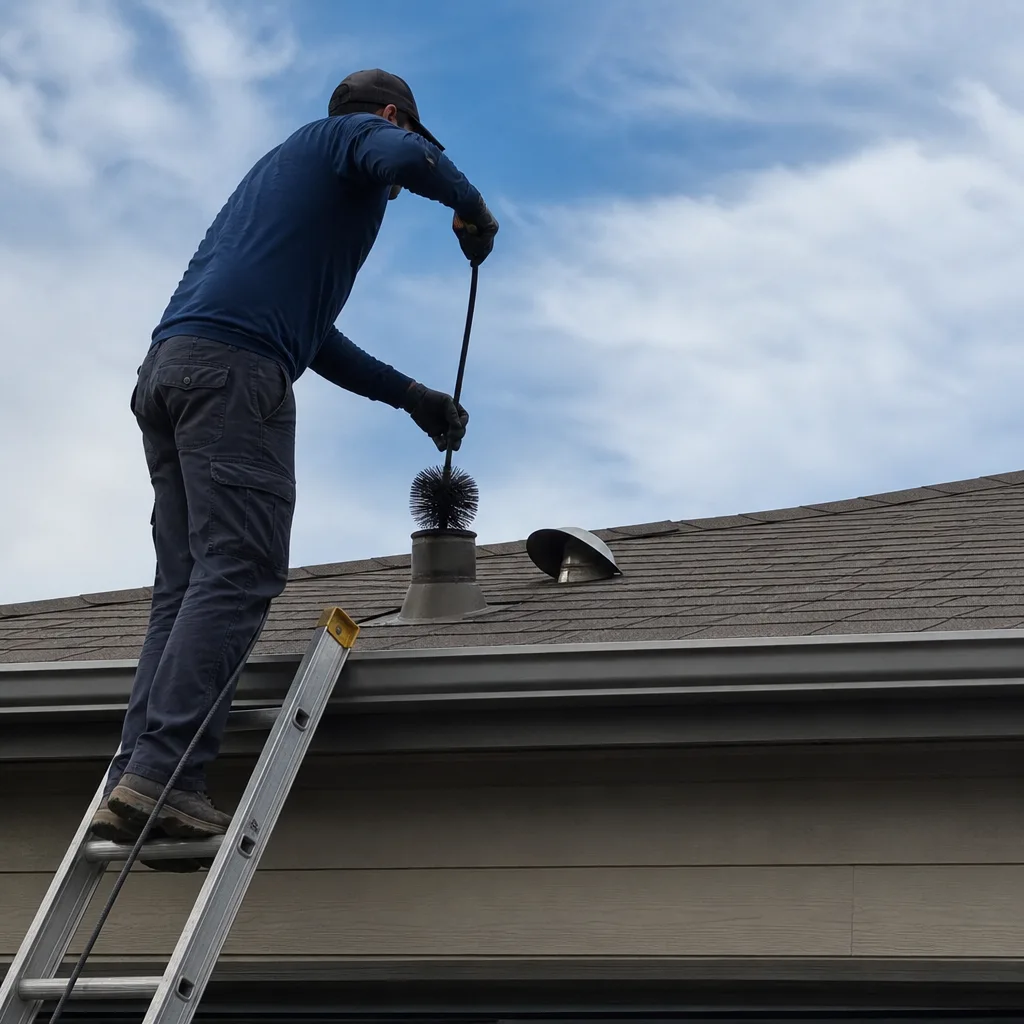
Some findings mean cleaning alone won’t solve the problem. Recognizing these saves you from paying for a service that addresses symptoms while the cause persists.
Visible Moisture
Water droplets, rust staining, or mineral deposits at register openings indicate active condensation. This requires duct insulation repair, airflow balancing, or in some cases, equipment upsizing. Cleaning wet ducts without fixing the moisture source invites rapid recontamination. In Leander’s humid shoulder seasons, we see this most in second-floor runs where attic temperatures swing widely.
Black Staining That Smears
Dark, sooty material that smears when touched, especially at registers near kitchens or gas appliances, can indicate backdrafting or combustion spillage. This is a safety issue requiring immediate professional evaluation, not a cleaning quote. Do not operate the system until evaluated.
Insulation Fragments in Airflow
If your phone photo shows fibrous material that looks like attic insulation, the duct lining may be deteriorating or the duct may have a breach drawing from the attic. Cleaning won’t fix this. The duct needs repair or replacement, and every minute the system runs, you’re filtering attic air through your living space.
Persistent Pest Evidence
Droppings, nesting material, or insect casings at register openings indicate duct intrusion. Cleaning removes the evidence but not the access point. A pest professional and duct repair contractor need to coordinate. We’ve found this in Leander homes near greenbelt corridors where roofline gaps provide entry.
Structural Deformation
Crushed, disconnected, or sagging ductwork visible at register openings requires physical repair. No cleaning equipment can restore airflow through a collapsed flex duct.
Common Mistakes to Avoid
- Treating register dust as automatic proof. Dust is normal. The warning sign is the rate of return, texture, and pattern. Wiping registers weekly and calling it evidence of dirty ducts wastes your time and a contractor’s.
- Ignoring the filter entirely. A clogged or incorrectly installed filter causes many “dirty duct” symptoms. Check fit, directionality (arrow points toward blower), and MERV rating before assuming ducts need cleaning. A filter rated MERV 13 or higher in a system designed for MERV 8 can cause enough airflow restriction to mimic blockage.
- Accepting “whole house” quotes without room-specific investigation. If your symptoms are concentrated in two rooms, those two runs need attention. A contractor who won’t inspect specific runs with a camera before quoting is not following Haven Standard Clause 1: Written Price Based on Documented Scope.
- Confusing duct cleaning with coil cleaning. The evaporator coil, inside your air handler, can be the source of musty odors and reduced airflow. A duct-only service won’t address this. Ask specifically whether coil inspection is included.
- Expecting cleaning to fix design problems. Undersized returns, leaky ductwork in attics, or improper balancing cause symptoms that cleaning temporarily masks. In Leander’s newer subdivisions with cost-optimized HVAC designs, this is common.
- Using the $79 coupon as a benchmark. That price covers arrival and minimal vacuum time, not documented work on every duct run. The actual invoice typically multiplies once “additional services” are discovered. Air Duct Cleaning in Leander from CleanRun is quoted as one flat price per system, agreed in writing before work starts, with no per-vent add-ons.
When to Call a Professional
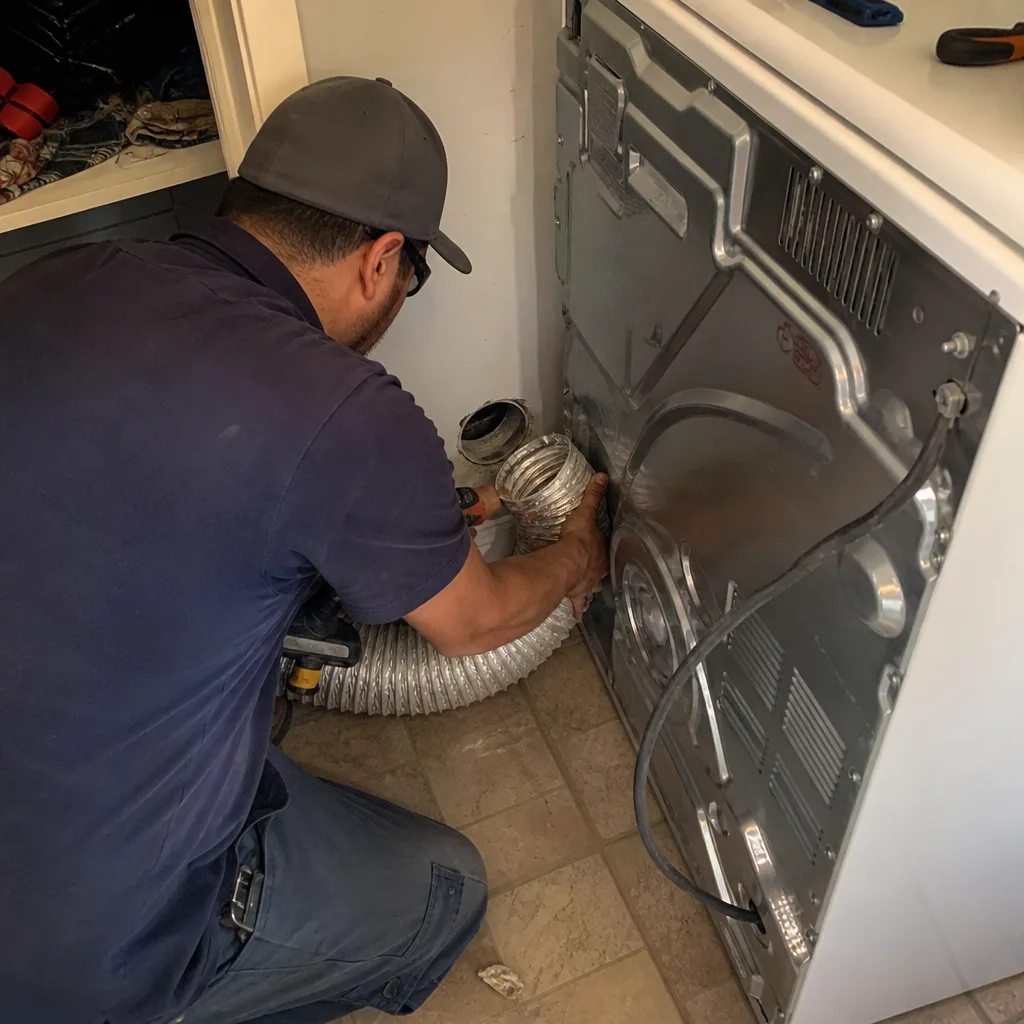
Call when you’ve documented two or more warning signs from different categories: visual, odor, and airflow. Single symptoms have multiple innocent explanations. Patterns indicate systemic issues worth professional evaluation.
Call immediately if you find moisture, black staining that smears, or combustion-related odors. These are safety concerns, not maintenance scheduling questions.
Call if your home was built 2018-2025 in Leander and you’ve never had the ductwork inspected with a camera, regardless of visible symptoms. The construction pace in this period created documented debris issues that may not show at registers.
CleanRun Air Duct Cleaning Leander offers free estimates in Leander. Every estimate includes a written price before any work starts, under Haven Standard Clause 1. Every completed job includes a Documented Photo Record of every duct run, before and after, delivered as part of your job record. Call (737) 252-1285 to schedule.
Frequently Asked Questions
Whole-system air duct cleaning for a typical single-family home in Leander ranges from $450 to $850, depending on system size, accessibility, and contamination level. CleanRun quotes one flat price per system, agreed in writing before work begins, with no per-vent add-ons or post-arrival upsells. Call (737) 252-1285 for an exact quote; estimates are free.
The $79-$149 coupon price typically covers a brief vacuum at accessible registers, not full-system cleaning with negative-pressure extraction and register-by-register documentation. The final invoice often reaches or exceeds the flat-price quote you would have received upfront. Ask any contractor: is the price per system or per vent? Is camera documentation included? What equipment is used? CleanRun uses Rotobrush and Nikro systems, names the brands, and includes photo documentation on every job.
You receive a Documented Photo Record showing the interior of every duct run, before and after, as a standard deliverable. This practice has been part of every CleanRun job since 2013. If a contractor cannot or will not provide this, you have no verification that the full scope was completed.
Every 5-7 years for typical Leander homes with standard occupancy and no construction events. Sooner if you have completed renovation, observed persistent symptoms, or purchased a new-construction home that may have run during building. Homes with multiple pets, smokers, or occupants with respiratory conditions may benefit from 3-4 year intervals. The filter replacement schedule is a better maintenance indicator than calendar time alone.
Surface cleaning of register faces and the first few inches of ductwork is safe homeowner maintenance. Anything beyond this requires professional equipment. Duct systems operate under pressure, and disturbing debris without proper containment can worsen indoor air quality. The plenum, the central distribution box, and deep duct runs are not accessible without specialized tools. For Dryer Vent Cleaning in Leander, the fire risk from improper cleaning is significant; professional service is strongly recommended.
Modestly, if duct contamination was severe enough to restrict airflow. The larger energy savings typically come from duct sealing and repair, which eliminate conditioned air loss. CleanRun evaluates both cleaning needs and leakage during every estimate. HVAC Cleaning in Leander that includes coil and blower maintenance can restore system efficiency closer to original specifications than duct cleaning alone.
Air duct cleaning addresses the distribution network: supply and return ducts, registers, and the plenum. HVAC cleaning includes the air handler components: evaporator coil, blower assembly, and cabinet interior. Symptoms of dirty ducts and dirty coils overlap. A complete service addresses both. Ask any contractor to specify which components are included in their scope.
The Bottom Line
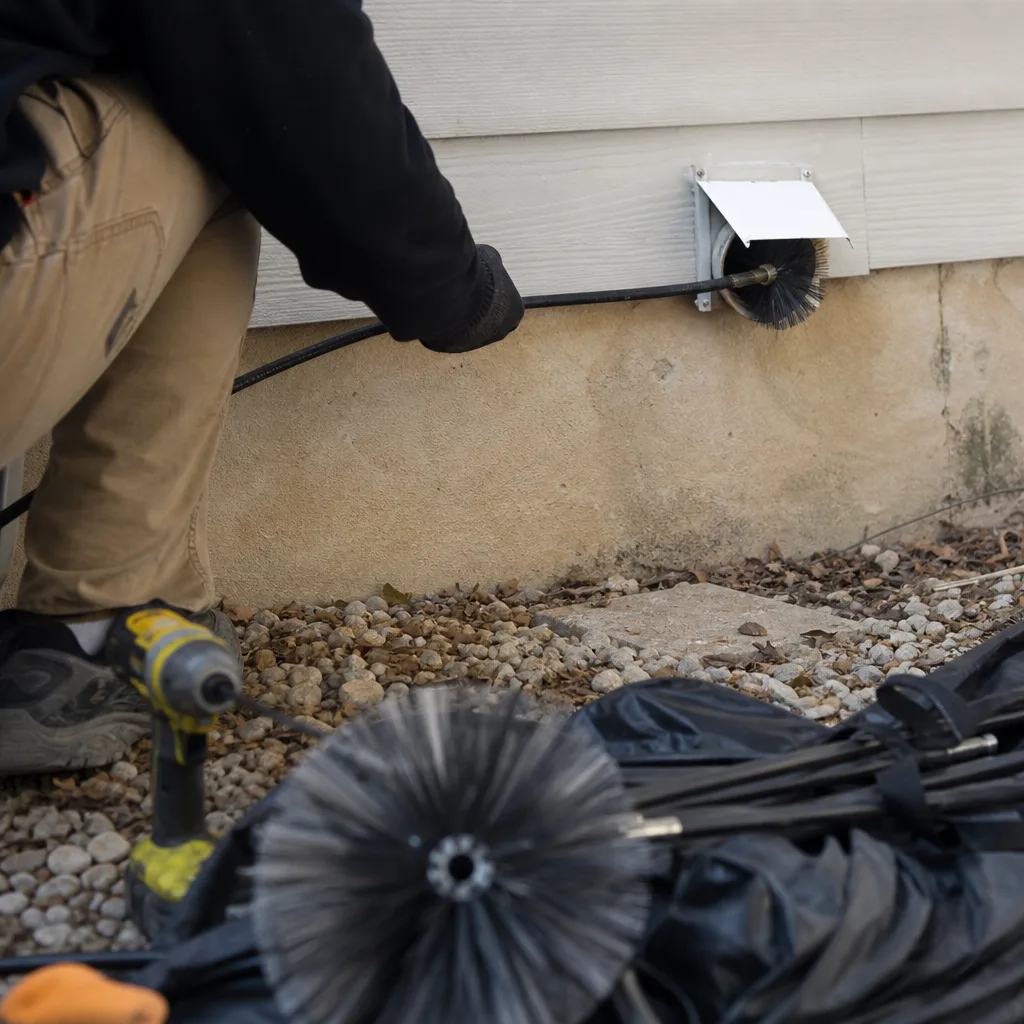
Warning signs for air duct cleaning are not mysterious. They’re observable, documentable patterns that persist across multiple senses and multiple rooms. Dust that returns in 48 hours. Odors that vary by register. Airflow that weakens in specific rooms. In Leander’s fast-growing market, new-construction debris adds a category competitors rarely address. Your role as a homeowner is to record what you find with specificity, then demand that any contractor respond to your evidence with their own. The CleanRun Air Duct Cleaning Leander home page outlines our full service scope. This guide exists so you can have that conversation from a position of knowledge, not anxiety.
Written by Tomas Reyes, Owner at CleanRun Air Duct Cleaning Leander, serving Leander since 2013.