
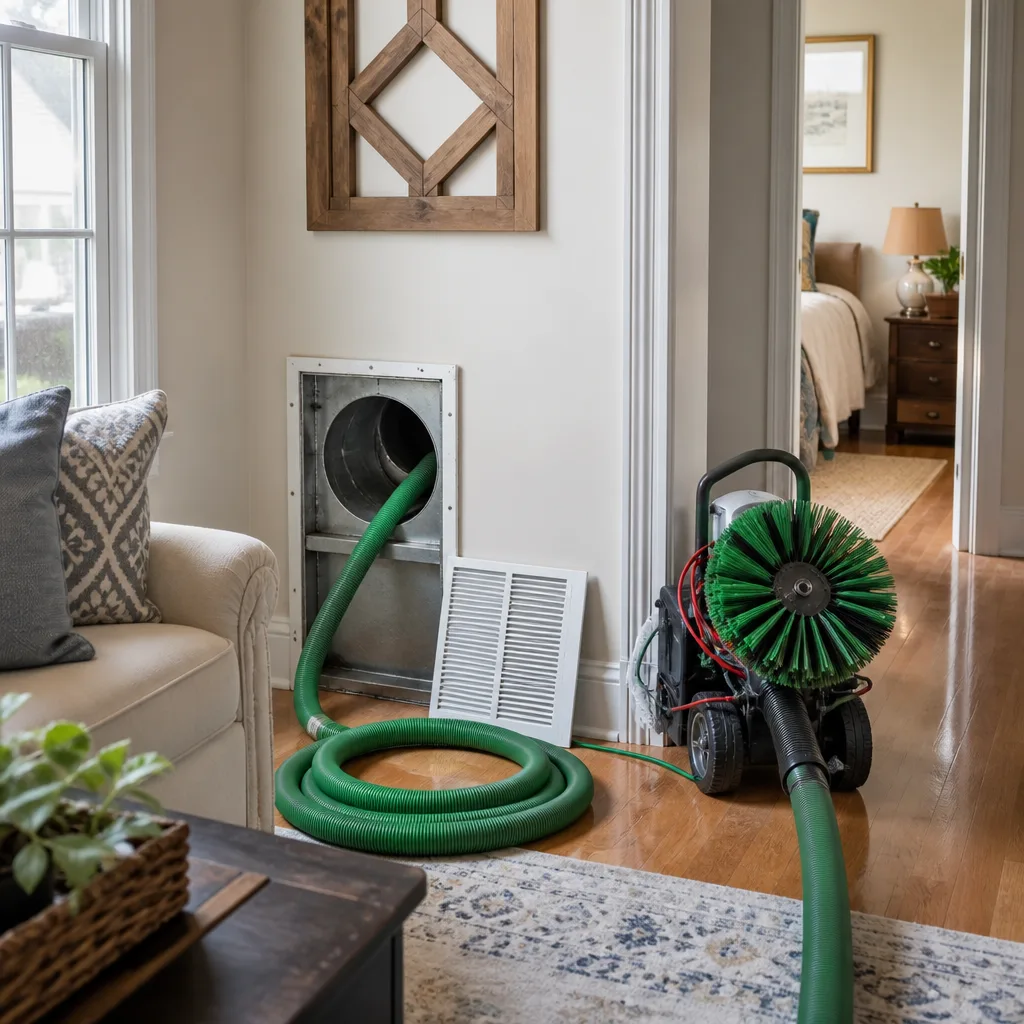
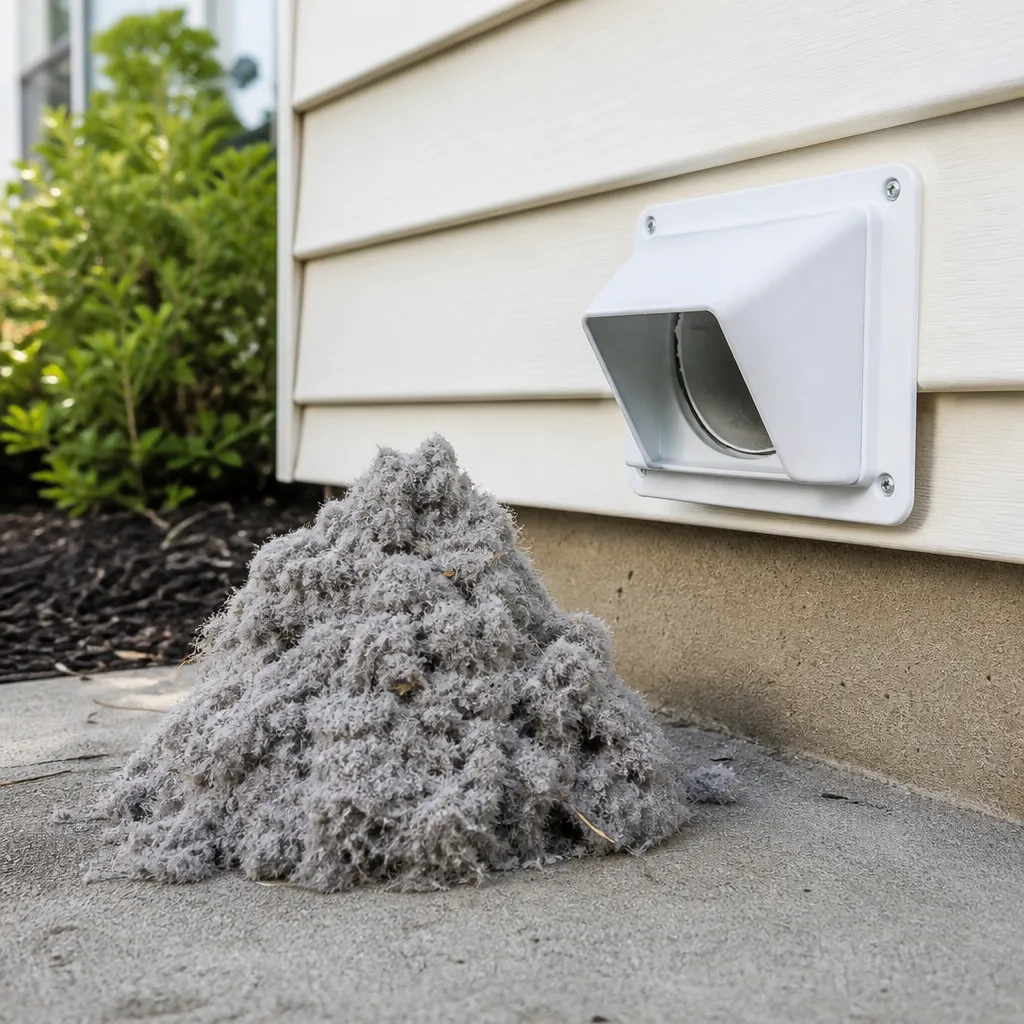
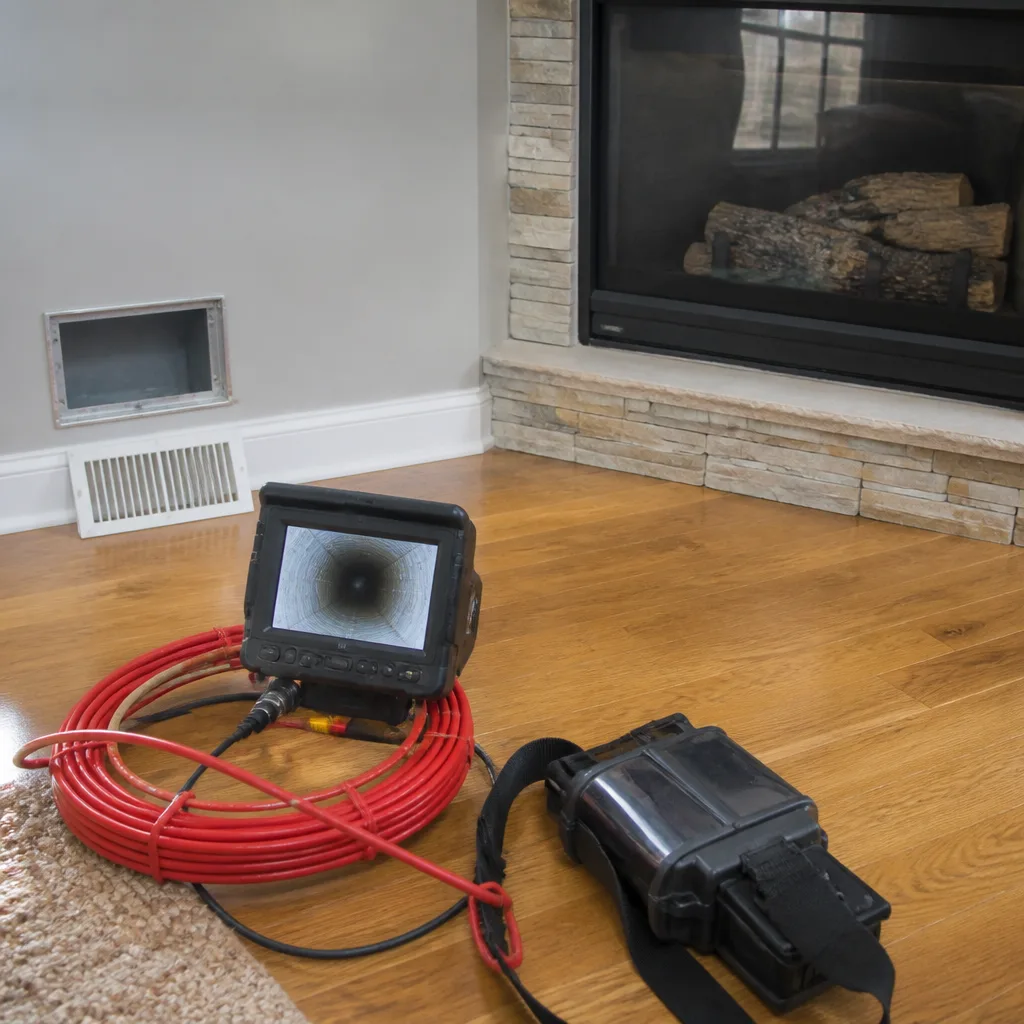
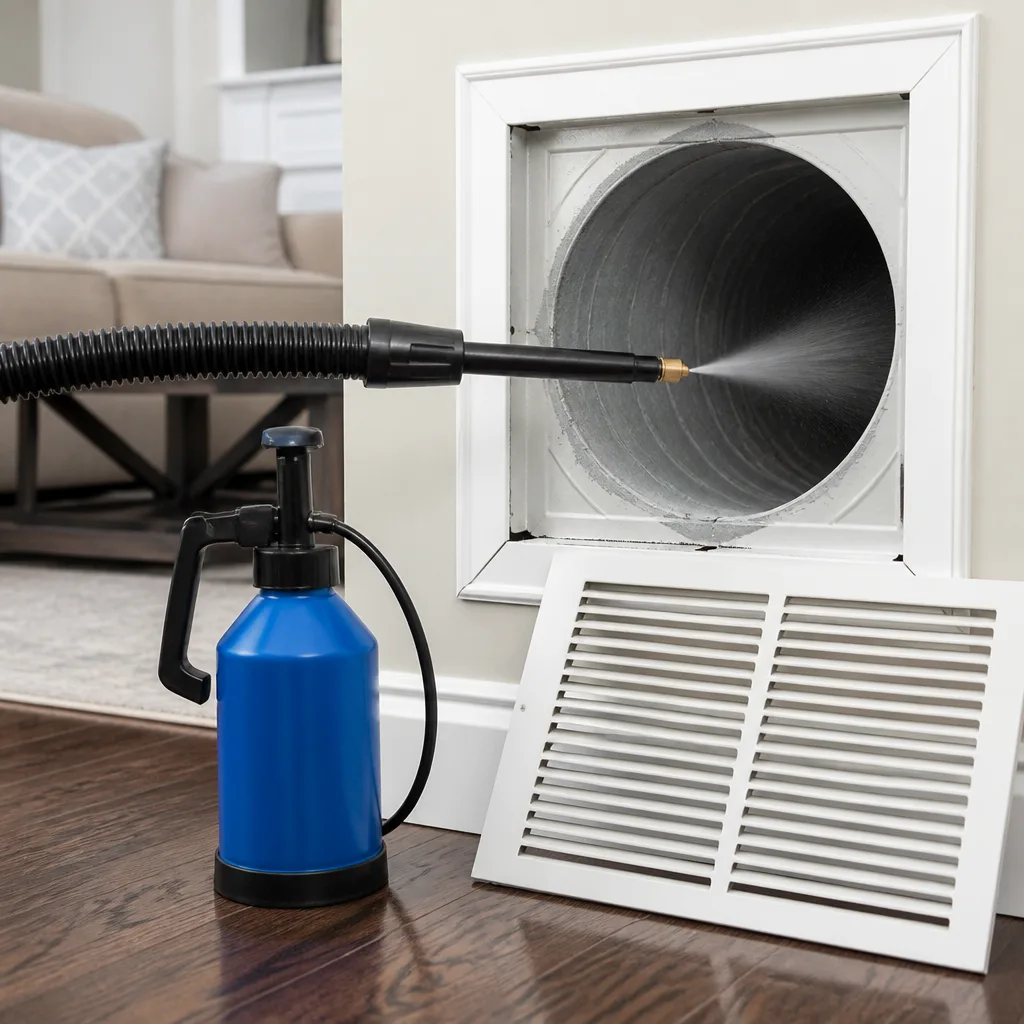
Whole-system duct and dryer vent check with before-and-after photos - you see exactly what came out of your vents
That "$99 whole-house special" is a bait ad - the real number appears once they are in your hallway, or the "clean" is a shop-vac at the register. We photograph the inside of your ducts before and after instead.
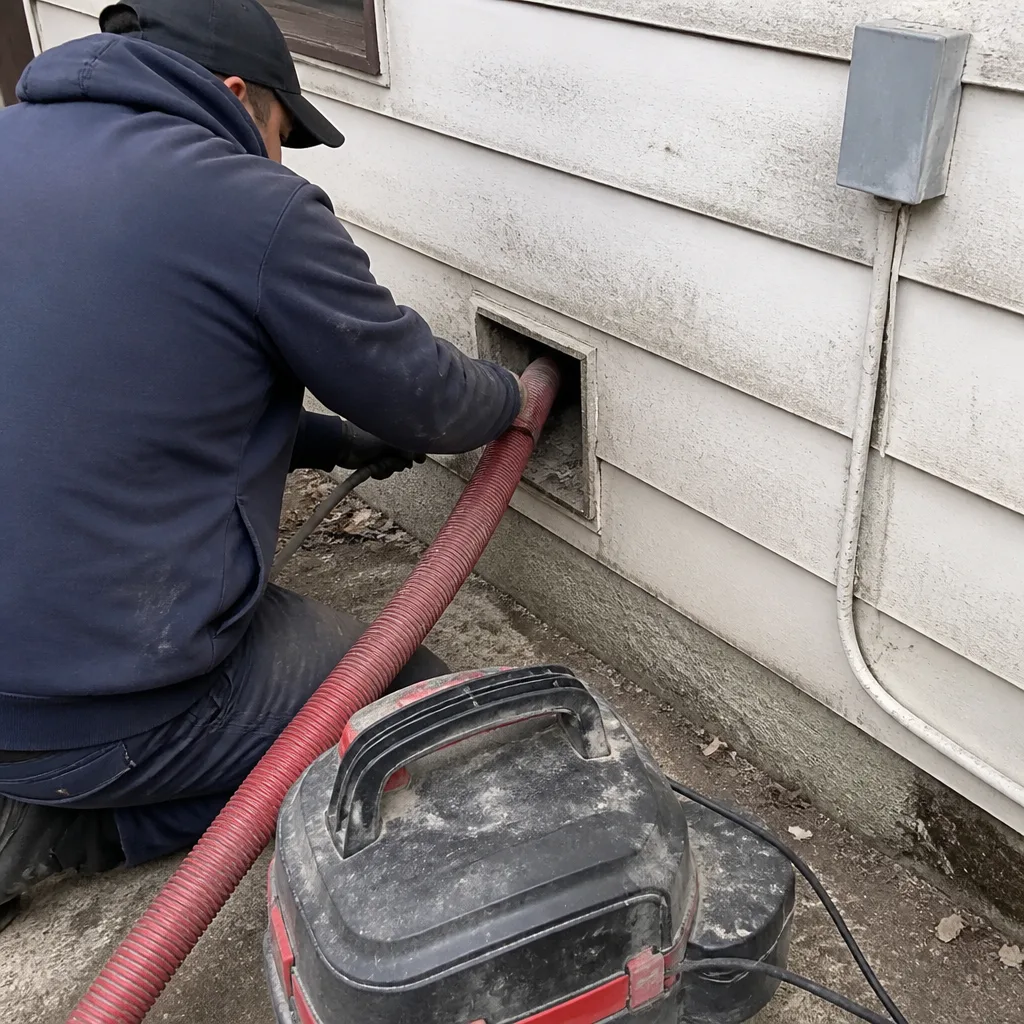 Before
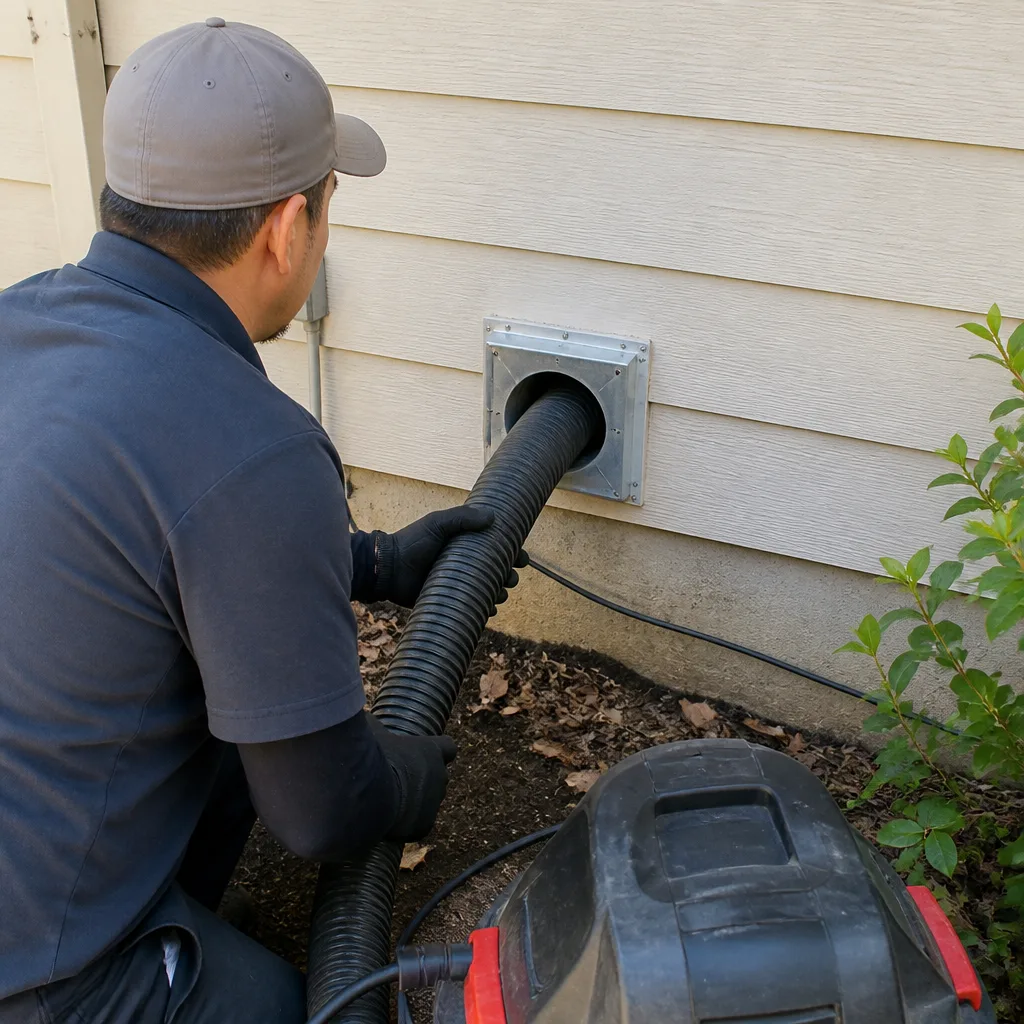 After
After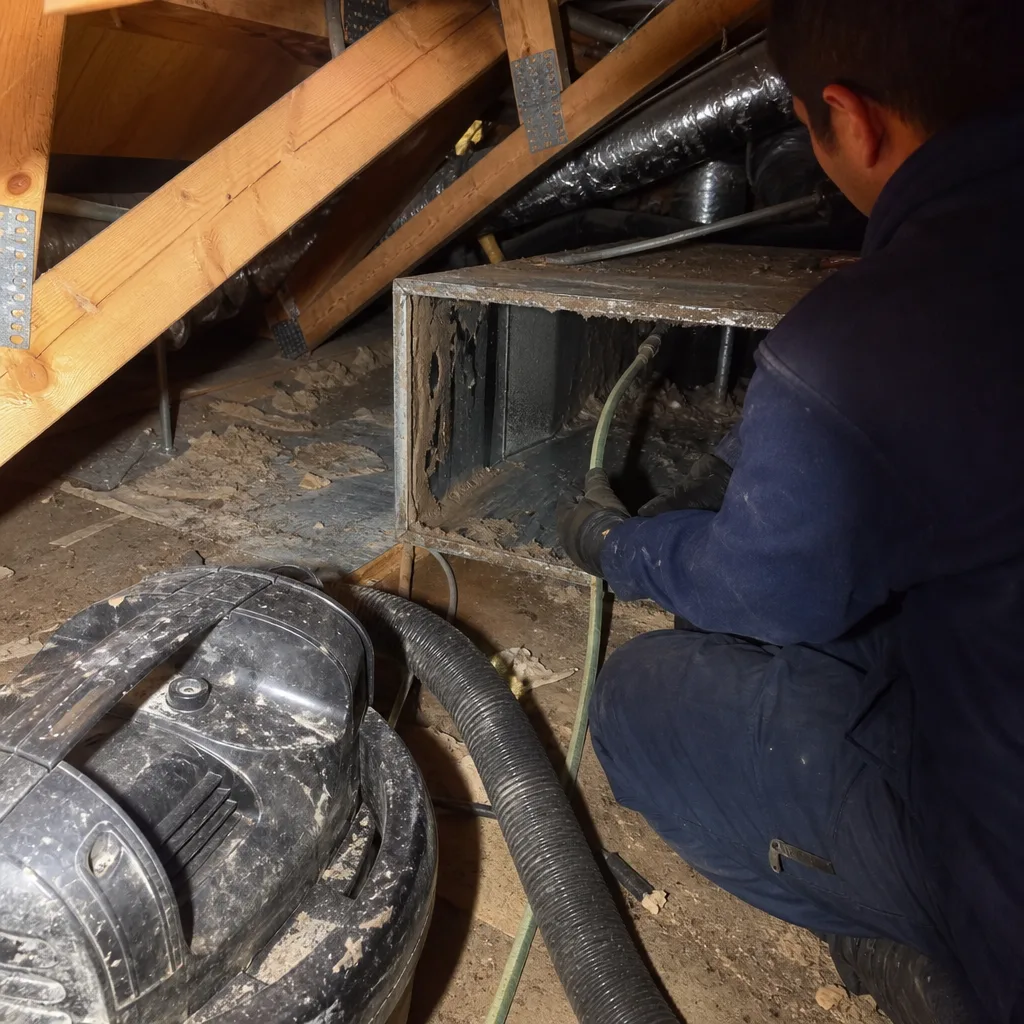 Before
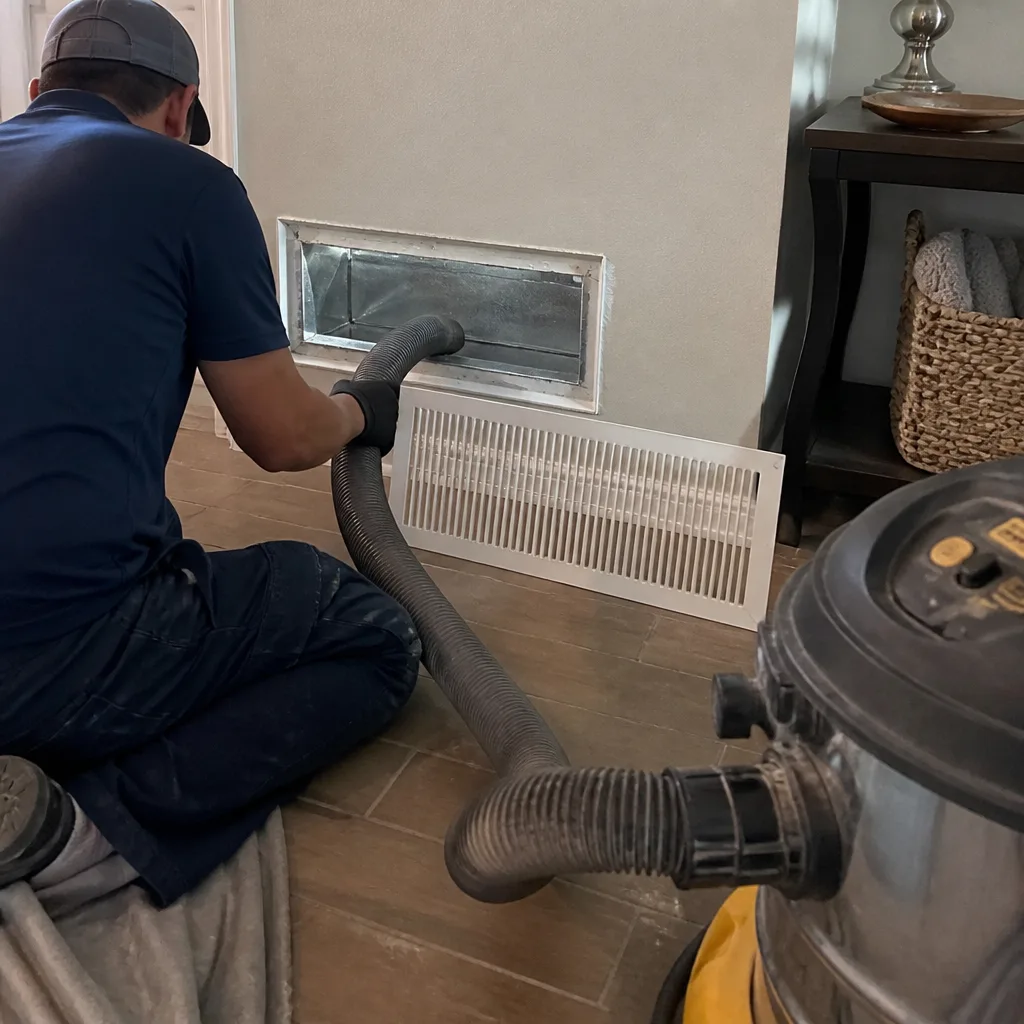 After
After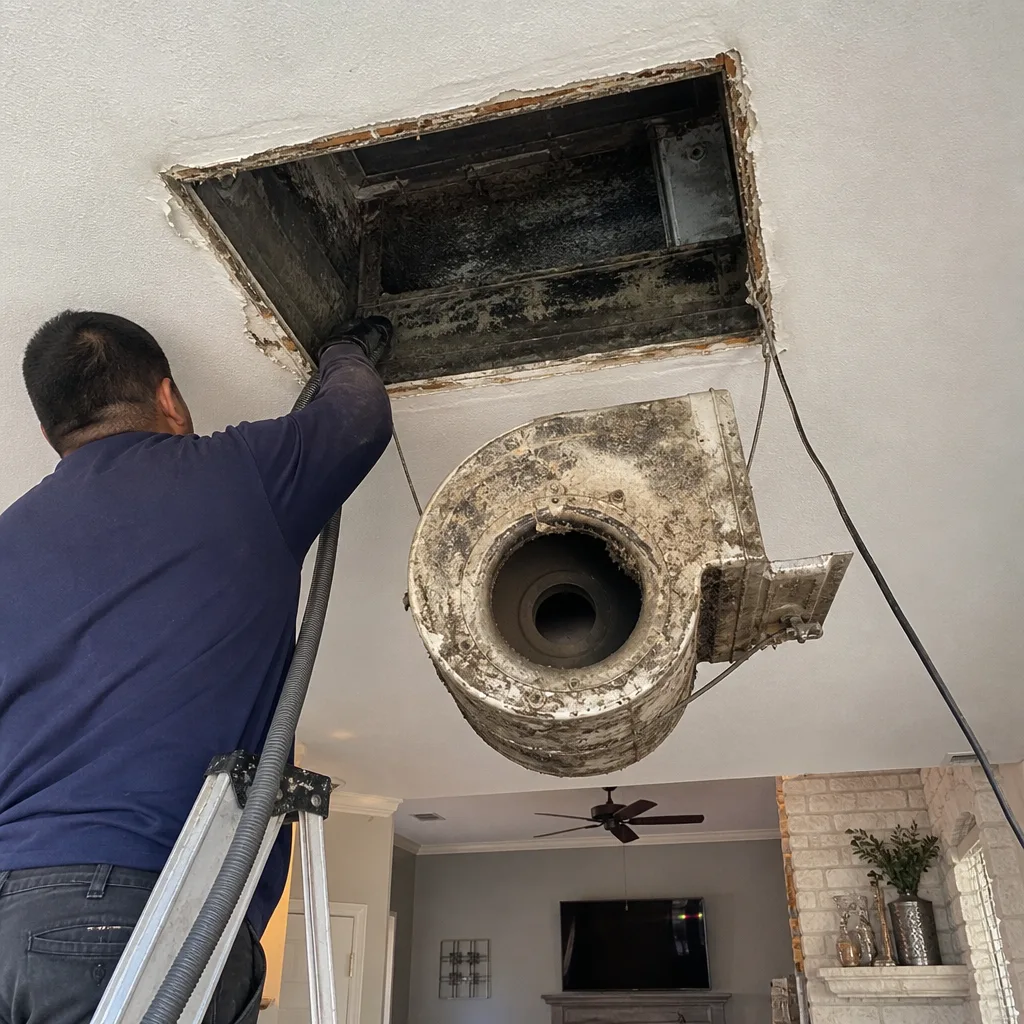 Before
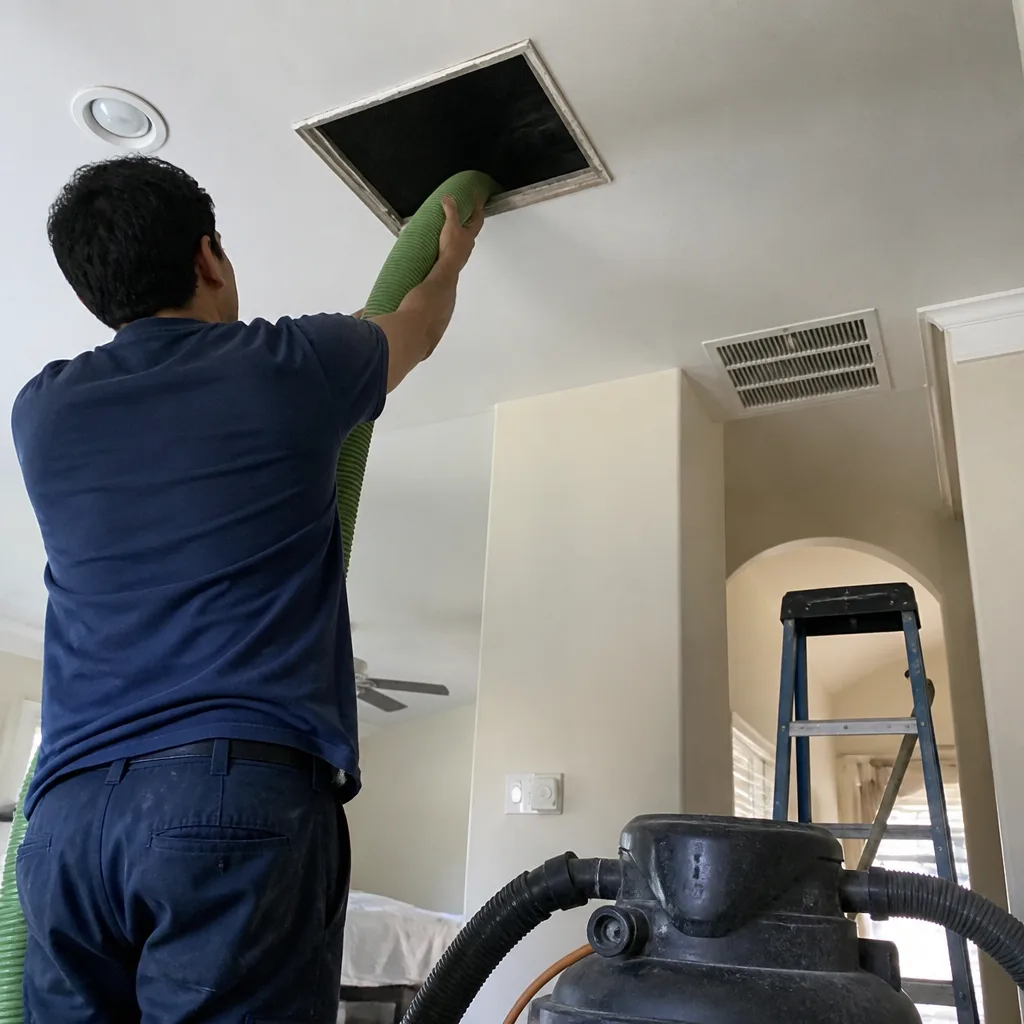 After
AfterHoneywell Coil Cleaning: The Leander Owner’s Guide
We stock and install Honeywell-compatible coil cleaning for residential HVAC systems throughout Leander, with most jobs running between $340 and $580 for a full evaporator or condenser coil service depending on accessibility and contamination level. Our crews carry Honeywell-approved foaming agents and low-pressure rinse equipment on every truck, and we can typically schedule within 48 hours. Most Leander homeowners first realize their coil needs attention when their Honeywell thermostat shows the system running longer cycles but the supply air never feels cold enough, or they notice a musty, wet-cardboard smell every time the compressor kicks on.
Which Honeywell Models This Applies To
Honeywell coils appear across three main equipment tiers, and the cleaning approach differs for each. The Legacy Series (pre-2015) uses aluminum fin coils with wider 8-10 fins-per-inch spacing that trap pollen and construction dust deep in the core. The Performance Series (2015-2022) shifted to micro-channel coils with 18-22 fins per inch, which clog faster but require lower pressure to avoid fin damage. The current Infinity/Evolution compatible lines use coated fins rated for coastal corrosion resistance, though in Leander the bigger threat is cedar pollen and caliche dust from new development.
To identify your coil, check the service label inside the air handler cabinet. Look for a Honeywell part prefix: CQE for evaporator coils, CQC for cased coils with built-in TXV. The serial date code (first four digits) tells us the fin type and which cleaning agent won’t void any remaining warranty. We’re not affiliated with Honeywell, but we cross-reference their published coil-care bulletins before selecting chemistry.
OEM Honeywell foaming cleaner runs $28-$42 per can through HVAC supply houses. We also stock Nikro and Abatement Technologies coil treatments that meet Honeywell’s pH and conductivity specs at lower unit cost, which we pass through directly. For most Leander systems, the aftermarket chemistry performs identically; the exception is Infinity variable-speed systems with factory-coated fins, where we use Honeywell-specified cleaner to preserve the hydrophilic coating.
Signs Your Honeywell Coil Cleaning Is Failing
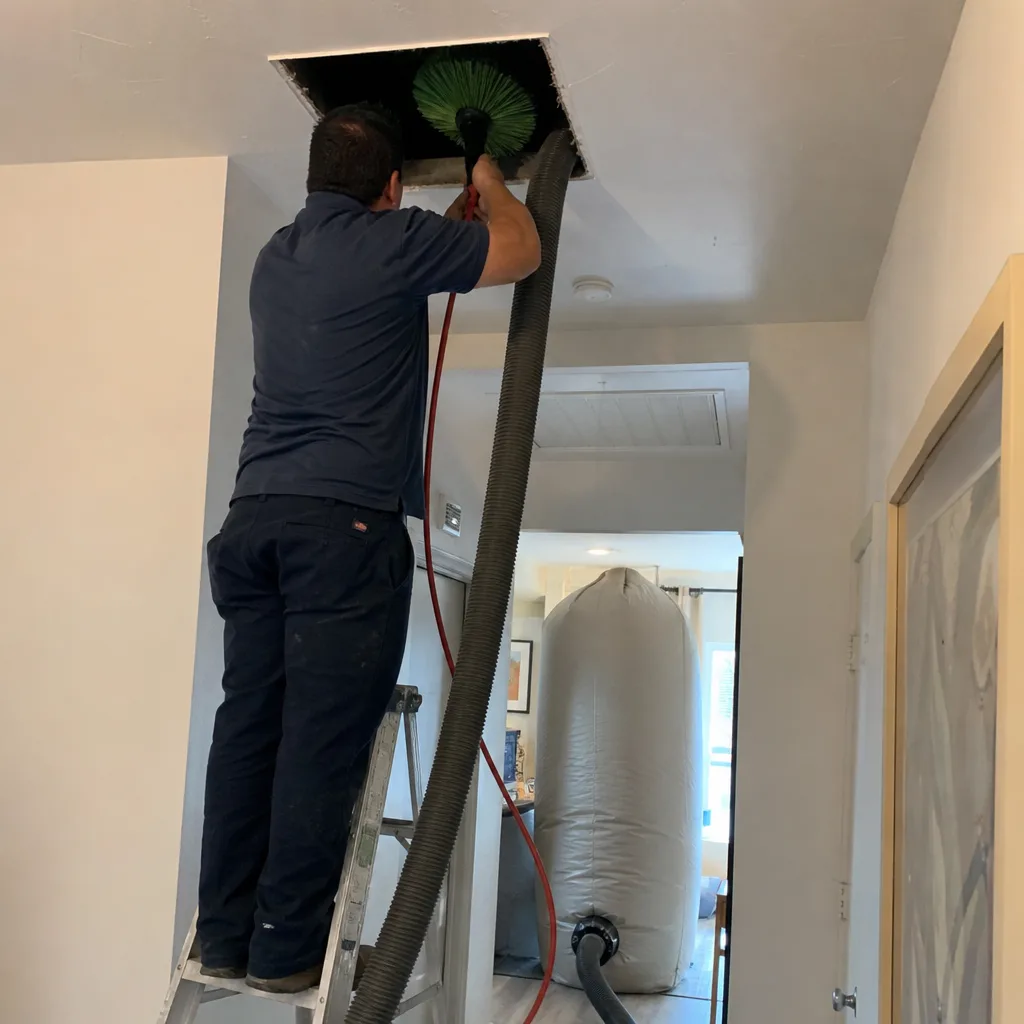
- Ice formation on the suction line or coil exterior. Restricted airflow across dirty fins drops the evaporator temperature below freezing, and the ice layer itself becomes insulation that makes it worse. In Leander, we see this most often in May when cedar pollen peaks and homeowners haven’t changed their filter since February.
- Condensate drain pan overflowing or algae blooms in the secondary line. A contaminated coil sheds biofilm into the pan faster than the drain can carry it away. The camera usually shows a black or green slime layer between the fins at the bottom third of the coil.
- Honeywell thermostat reading “Cool On” but supply air within 5 degrees of return air. This means the compressor is running but heat transfer has collapsed. We measure subcooling and superheat to confirm; if pressures look normal, the coil is almost certainly fouled.
- Unexplained humidity indoors despite the AC running continuously. A dirty coil can’t condense moisture effectively. We documented this in a Crystal Falls home last summer where the indoor RH held at 68% until we pulled 4 pounds of construction debris from a 3-year-old Performance Series coil.
- Musty or vinegar odor from registers when the blower starts. Bacterial colonies colonize the fin surface and release volatile compounds every time air moves across them. This is a health indicator, not just a smell problem.
BeforeAfterReplacement Cost & What’s Included
Full coil cleaning in Leander runs $340-$580 for a standard residential system, with the spread driven by three factors: whether we need to remove the coil from the plenum for access, the degree of contamination (light surface dust vs. hardened grease or construction debris), and whether the condensate pan and drain line require separate treatment. Every quote is written and delivered before work starts, per Haven Standard Clause 1.
That price includes: system shutdown and lockout-tagout, negative-pressure containment around the work area, foaming application and low-pressure rinse (never high-pressure, which folds micro-channel fins), condensate pan and drain treatment, before-and-after photo documentation of every coil face, and a written report with the photo record delivered by email. The 365-Day Done Right Promise covers the workmanship; if odor or performance returns because we missed a section, we return at no charge.
We do not quote per-vent or per-fin pricing. One flat price per system, agreed in writing, period.
DIY or Call Us?
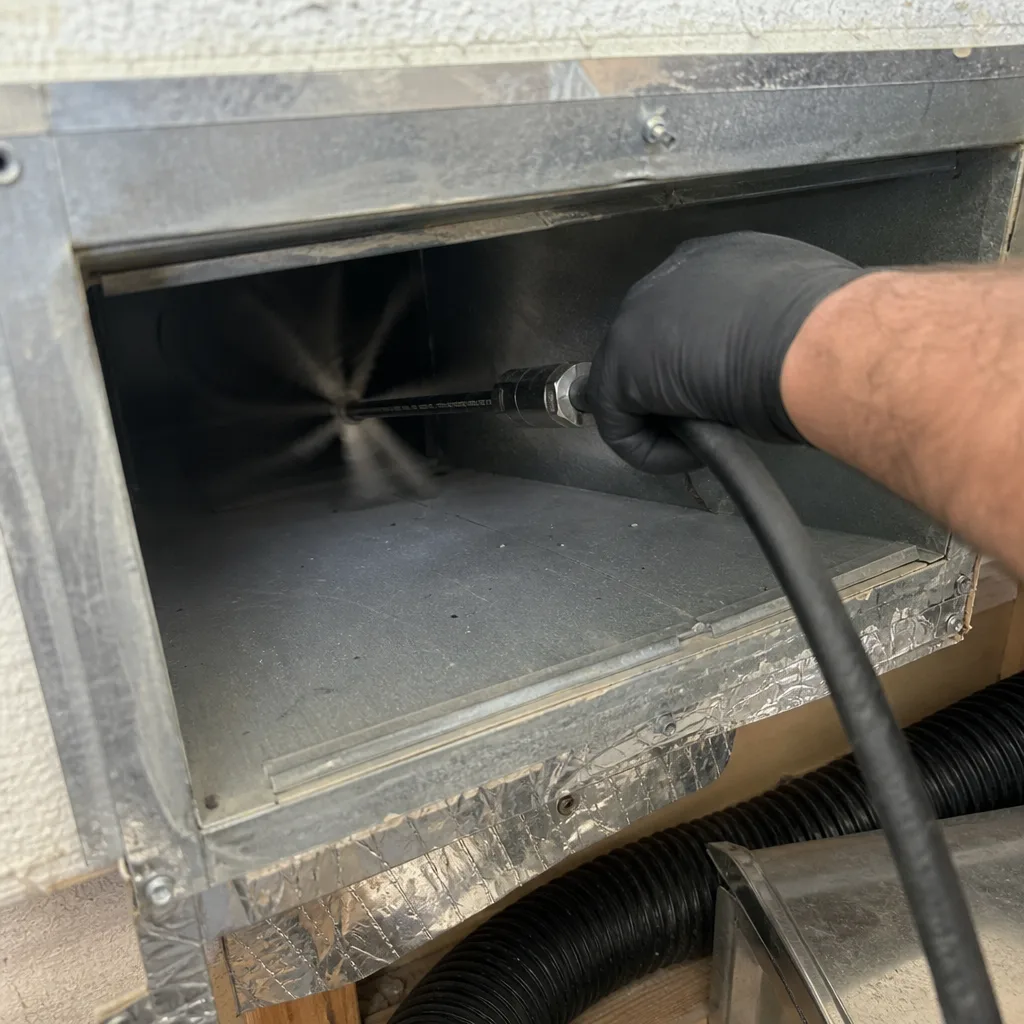
There is no safe DIY coil cleaning for a Honeywell system with the blower and electrical components live. The 240V control board sits inches from the evaporator in most air handlers, and foaming agents are conductive until they flash off. What you can do: verify your filter is clean, confirm the condensate drain isn’t blocked at the exterior termination, and check that your Honeywell thermostat isn’t calling for cooling during a programmed setback. These three checks eliminate the cheap fixes before you pay for a service call.
Where DIY goes wrong: homeowners who spray household cleaners or use a pressure washer on micro-channel coils. We’ve replaced coils in Leander that were ruined by well-meaning attempts. The fins fold flat at pressures above 400 PSI, and most garden sprayers exceed that. If your coil is visible through the access panel and looks clogged, call (737) 252-1285. We’ll show you the photo first. Then talk about what comes next.
FAQs
How long does a Honeywell coil cleaning take?
Most residential jobs in Leander take 90 minutes to 2.5 hours from arrival to system restart. Tight attic installations or coils requiring removal from the plenum run longer. We schedule a 4-hour window so we’re not rushing past a step. Call (737) 252-1285 to book - estimates are free.
Can a dirty Honeywell coil be repaired instead of cleaned?
No. Once fin corrosion or folding has occurred, the heat transfer surface is permanently reduced. Cleaning restores a coil that is physically intact; it cannot reverse metal damage. We photograph the coil before quoting and will show you if replacement is the honest recommendation rather than cleaning. Our Free Second Opinion policy applies if another company has told you a coil must be replaced.
How long should a cleaned Honeywell coil stay clean in Leander?
With standard 1-inch pleated filters changed every 60-90 days, expect 2-3 years before the next cleaning is needed. In new construction zones like the east Leander developments, caliche dust can shorten that to 18 months. We note the predicted interval on your written job record so you can plan ahead.
Do you stock Honeywell-compatible cleaning agents on your trucks?
Yes. Every CleanRun truck carries Honeywell-spec foaming cleaner, Nikro coil treatment, and Abatement Technologies rinse agents, plus fin combs and coil brushes sized for both Legacy and micro-channel fin spacing. We do not make a trip to the supply house on your clock.
Written by Tomas Reyes, Owner, CleanRun Air Duct Cleaning Leander at CleanRun Air Duct Cleaning Leander, serving Leander and nearby areas.