
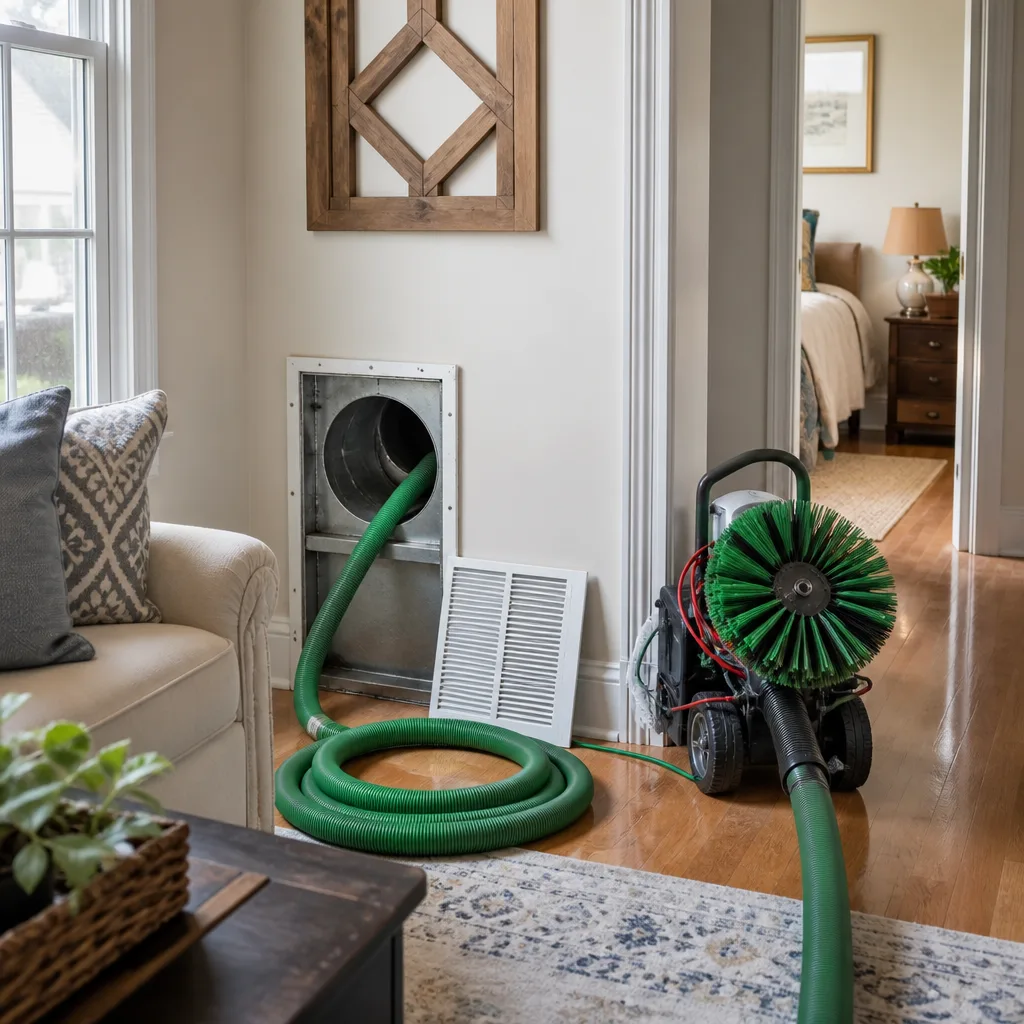
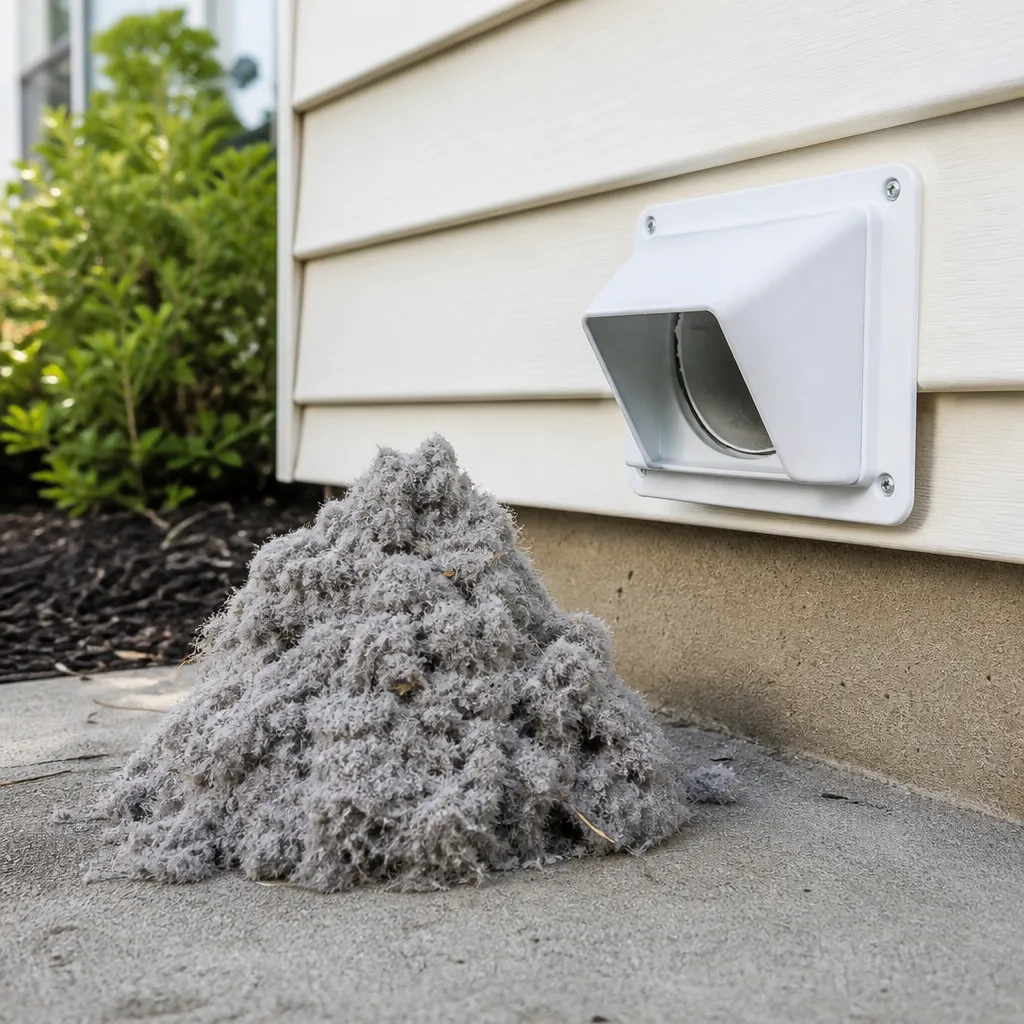
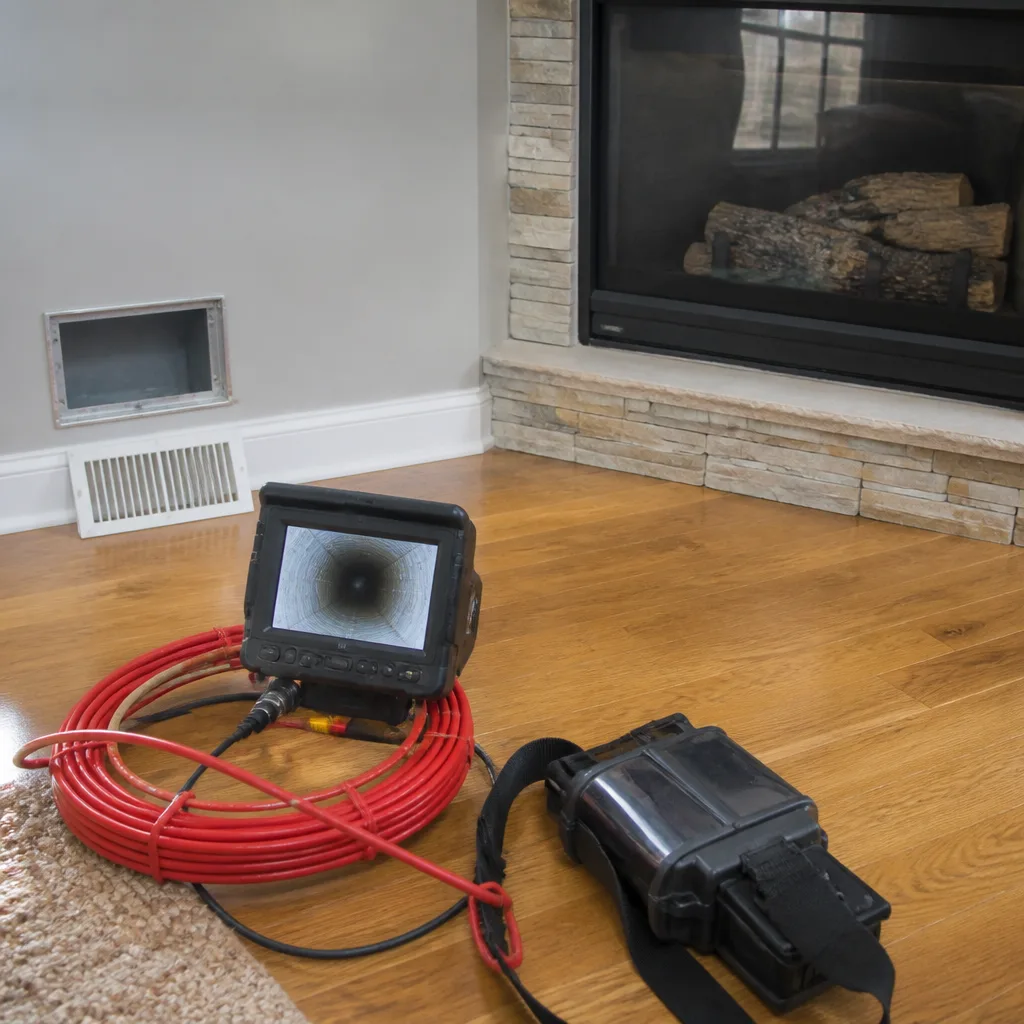
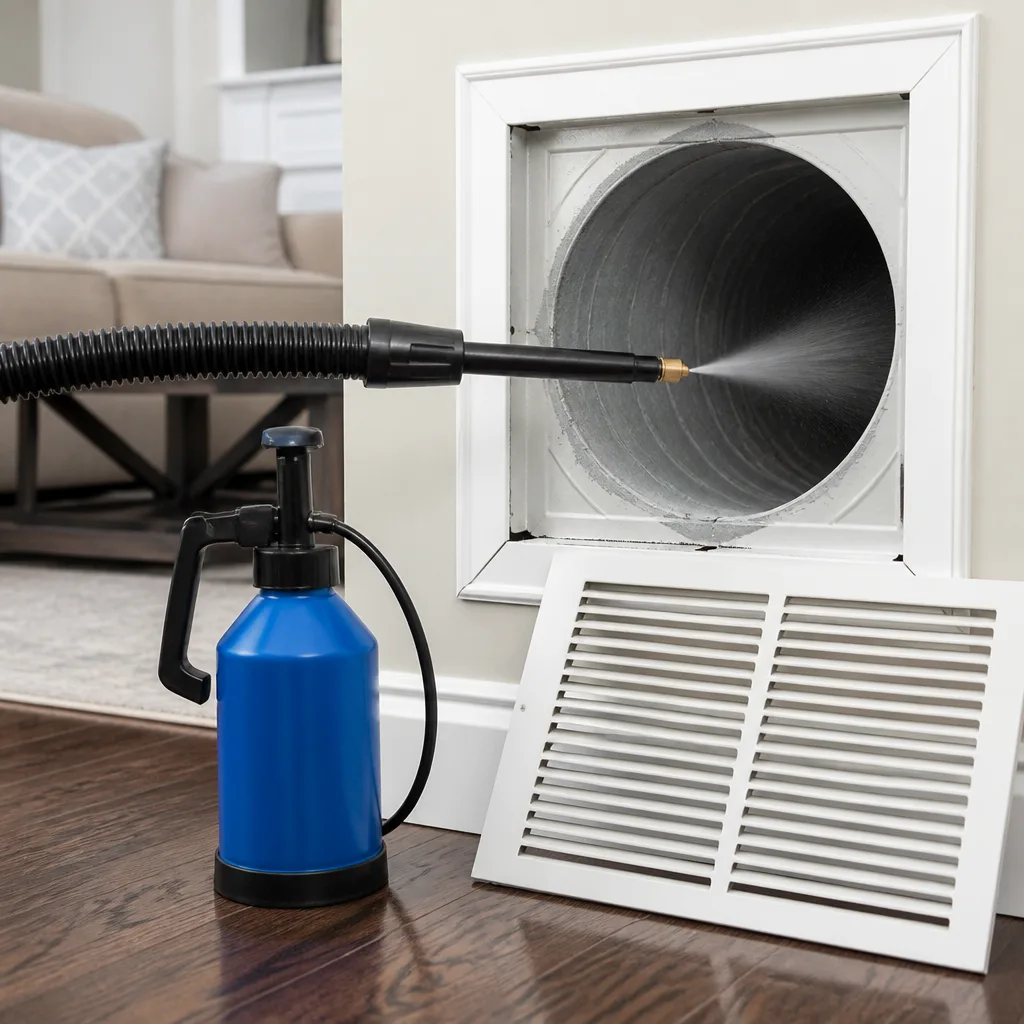
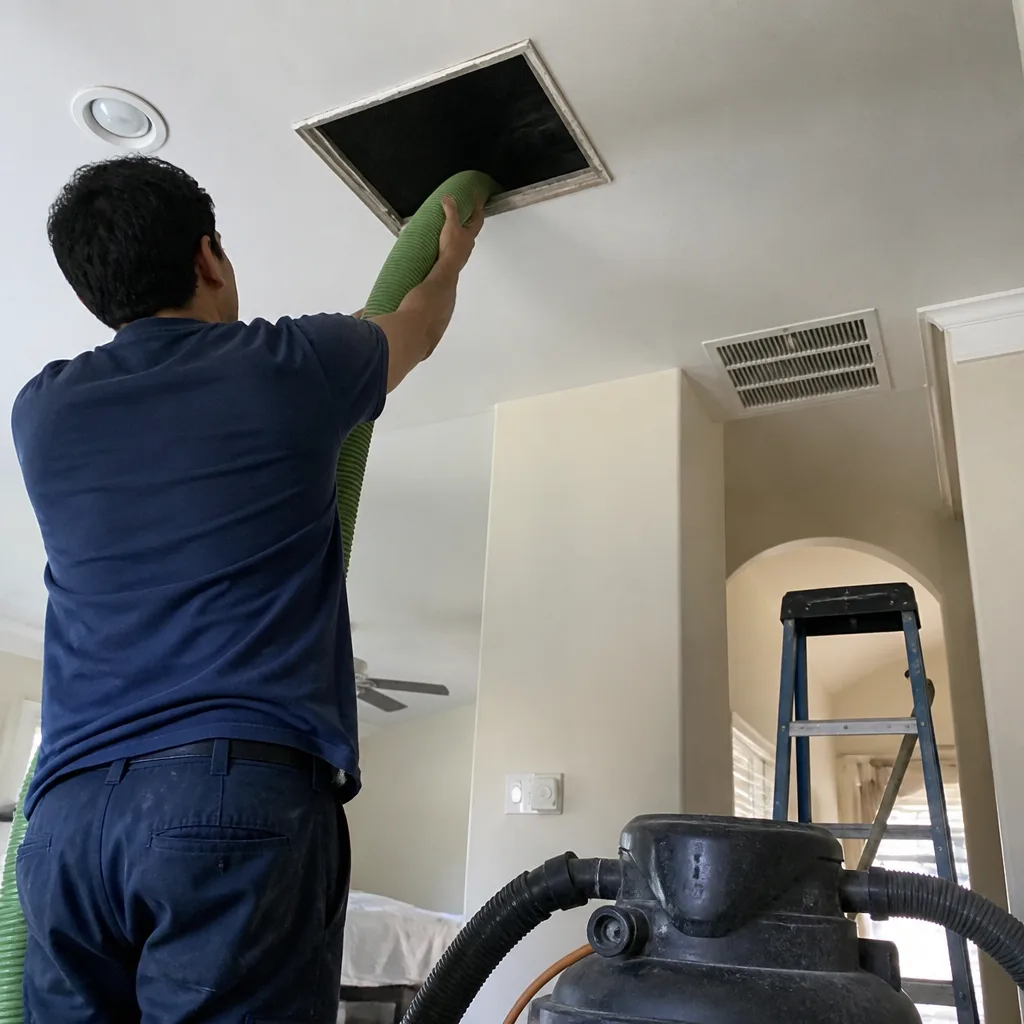
Whole-system duct and dryer vent check with before-and-after photos - you see exactly what came out of your vents
That "$99 whole-house special" is a bait ad - the real number appears once they are in your hallway, or the "clean" is a shop-vac at the register. We photograph the inside of your ducts before and after instead.
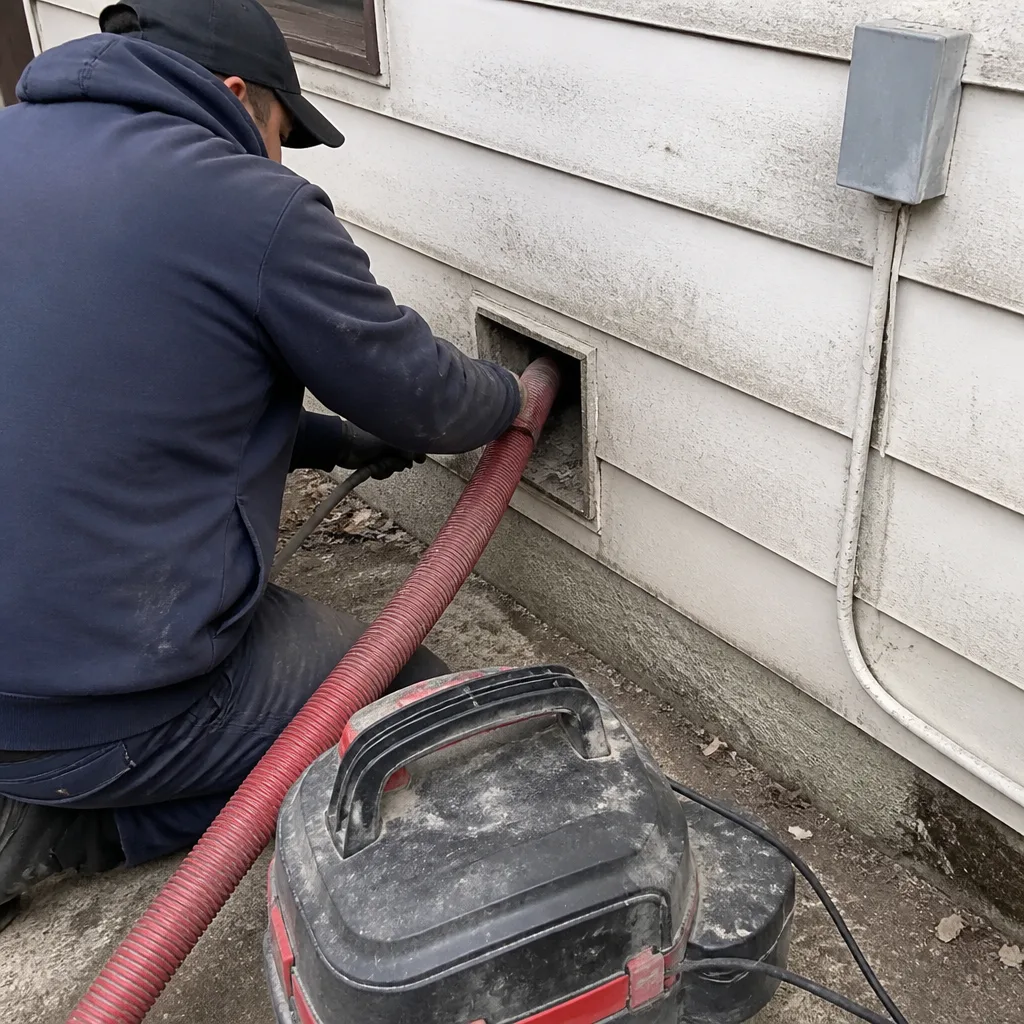 Before
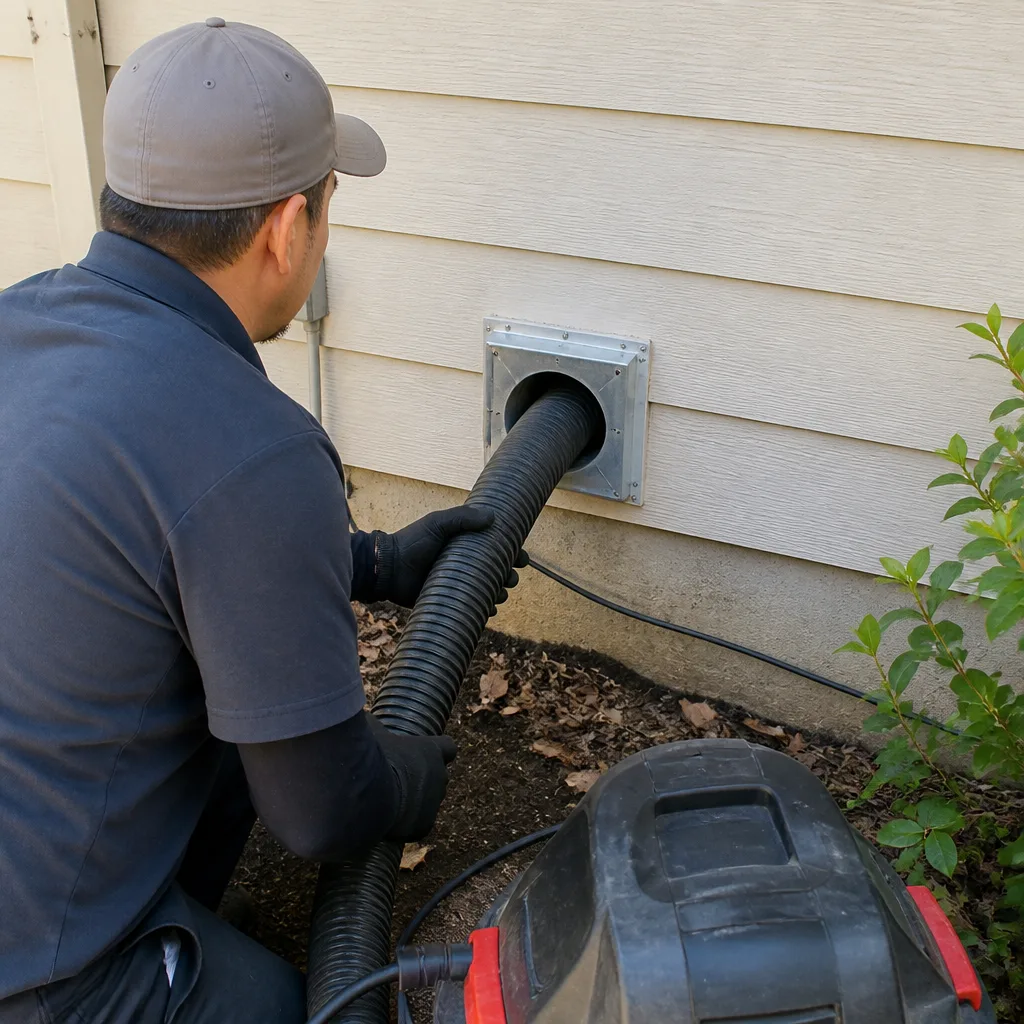 After
After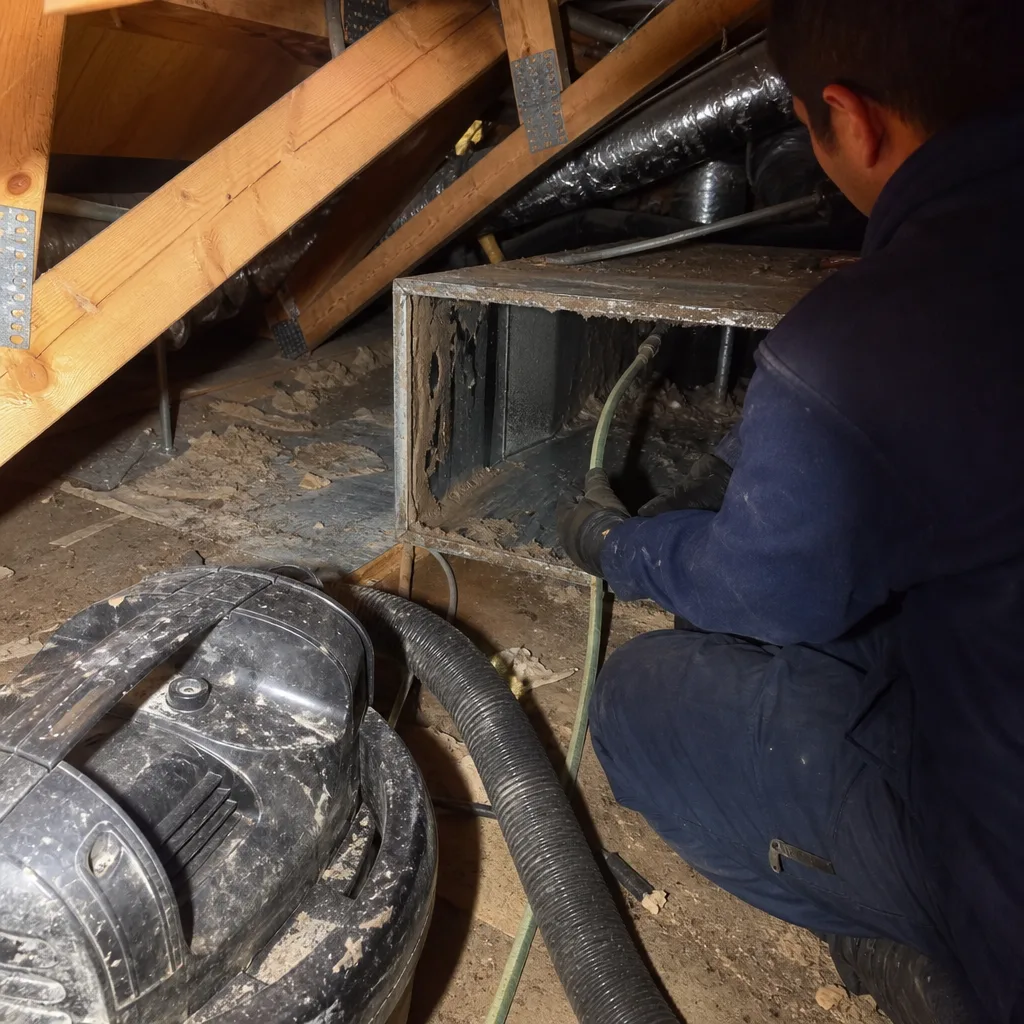 Before
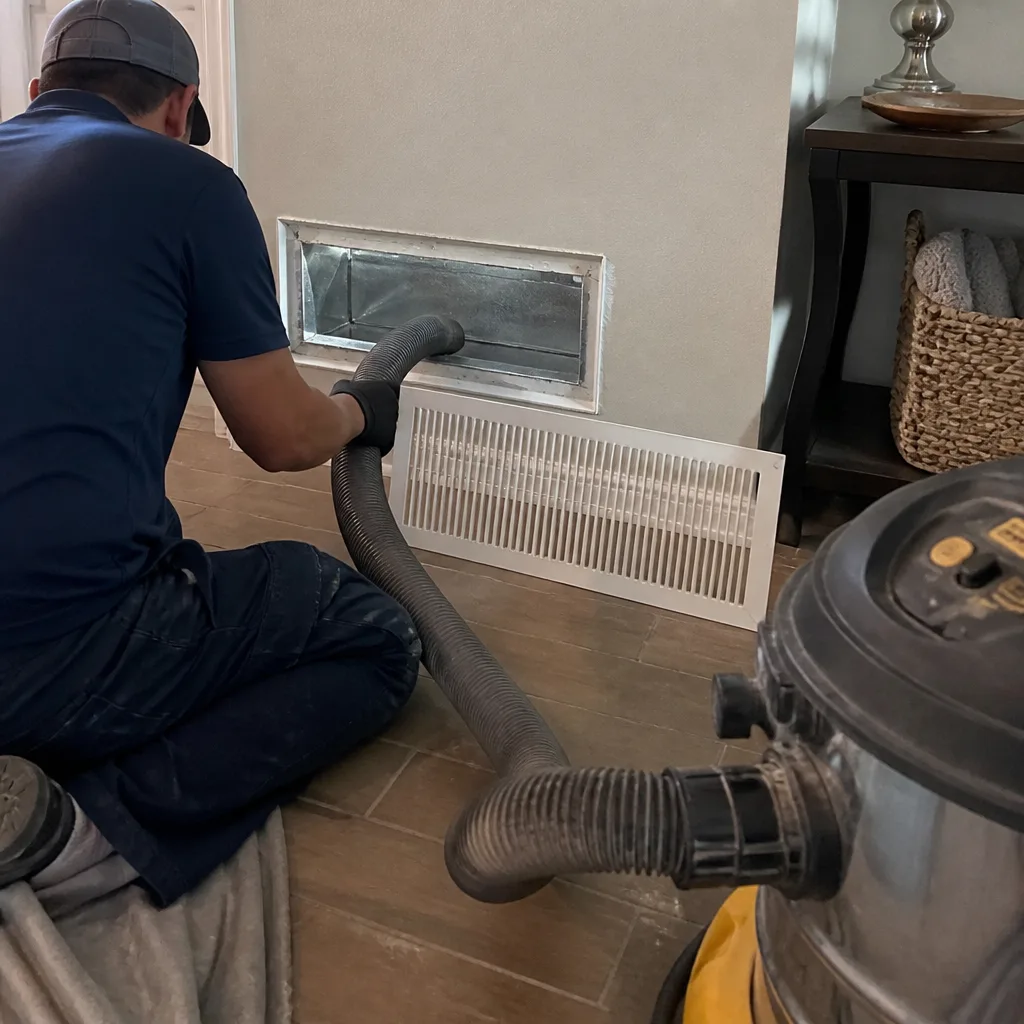 After
After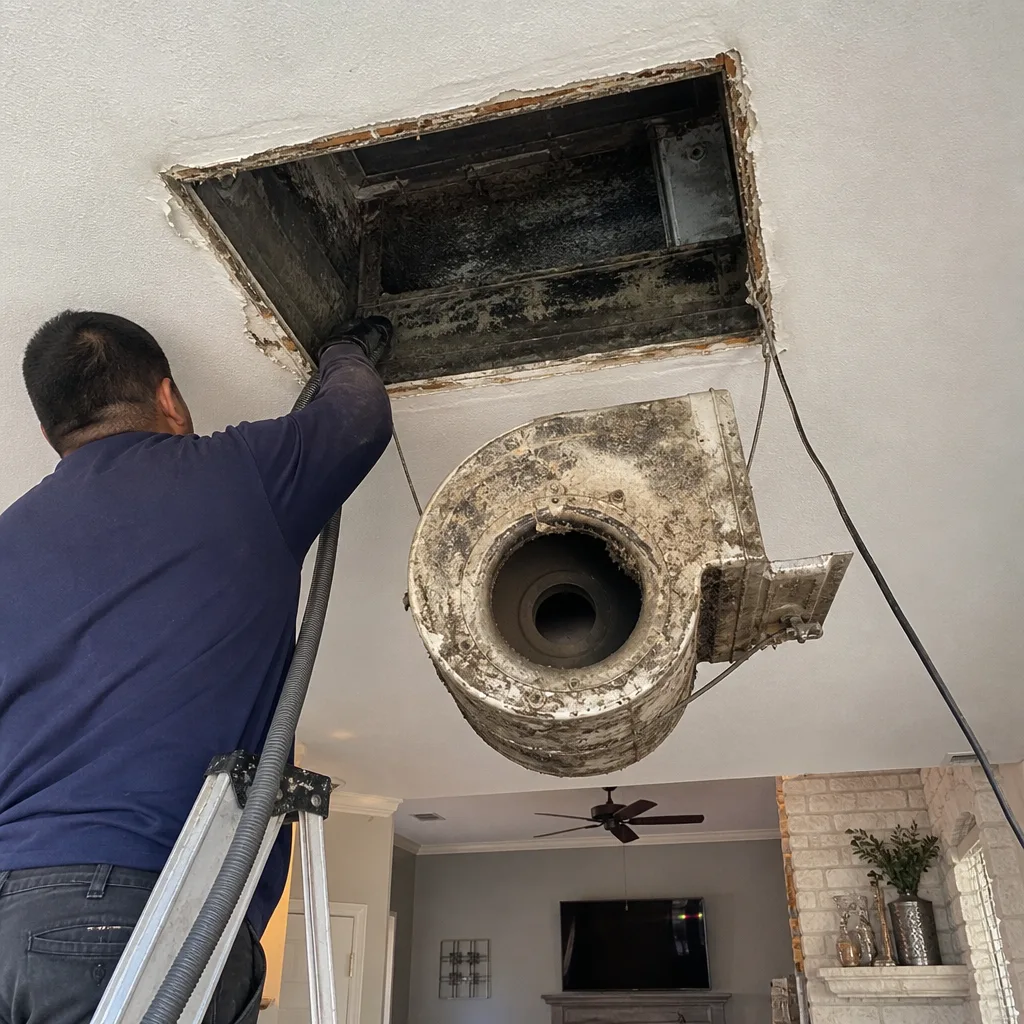 Before
 After
AfterAprilaire Duct Sealing & Repair: The Leander Owner’s Guide
We stock and install Aprilaire-compatible duct sealing and repair components for Leander homes, with most repairs completed in a single visit at an installed price of $340-$780 depending on system reach and accessibility. Our trucks carry Aprilaire OEM and quality aftermarket equivalents, so we’re not ordering parts while your system stays open. Most Leander homeowners first notice the problem when a room stops keeping temperature, their energy bill jumps 15-20% month-over-month, or they feel airflow at a register that should be sealed tight.
Tomas Reyes, our owner, has a habit he brought from the Northeast: show the photo first. Then talk about what comes next. That means we pull the inspection camera before we quote anything. If the breach doesn’t show up on screen, we don’t charge you for it.
Which Aprilaire Models This Applies To
Aprilaire’s duct sealing and repair components cross several product lines, and the part you need depends on whether you’re maintaining an Aprilaire whole-home dehumidifier, an air cleaner with integrated duct transitions, or the standalone zoning dampers common in Leander’s 2015-2022 builds. The critical identifier is the model stamp on the plenum collar or damper housing, typically a four-digit code starting with 16, 18, or 80 series.
Here’s where owners get tripped up: Aprilaire changed its collar diameter from 6-inch to 7-inch on the 1800-series dehumidifiers after 2019, but kept the same model prefix. A 6-inch mastic patch on a post-2019 unit will fail at the seam within two seasons. We verify the collar measurement with a tape check before pulling parts from the truck. For OEM, we source direct from Aprilaire’s distribution. For aftermarket, we use Guardsman-compatible collars and Nikro-approved mastic compounds that meet the same static-pressure ratings at roughly 60% of OEM cost. We mark which route we’re taking on your written scope before work starts, Haven Standard Clause 1.
Signs Your Aprilaire Duct Sealing & Repair Is Failing
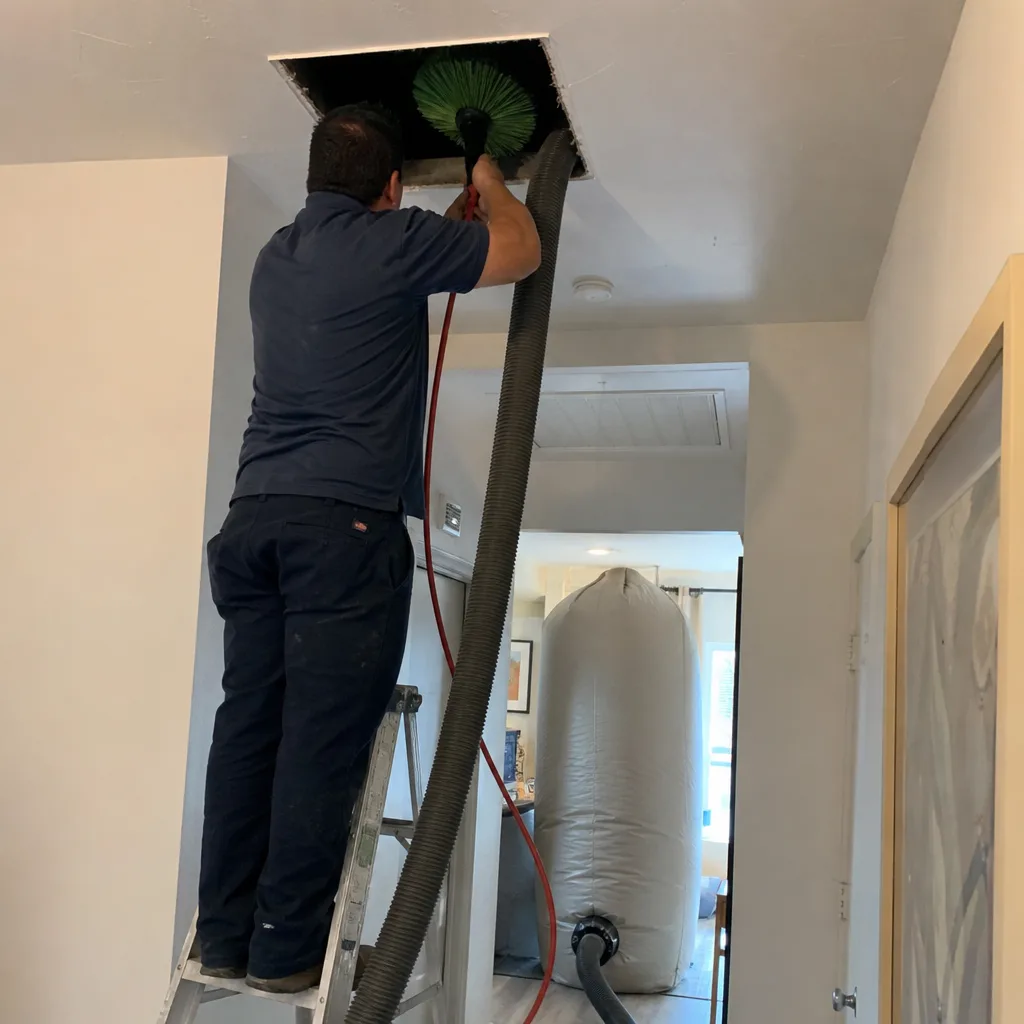
- Uneven room temperatures. A breach in the duct run (the individual pathway from your plenum to a register) lets conditioned air escape into the attic or wall cavity. The room at the end of that run starves for airflow while your thermostat, usually located in a central zone, keeps calling for cooling that never arrives where it’s needed.
- Visible dust streaks near ceiling registers. When the seal between the duct boot and drywall fails, attic air gets pulled into the living space every time the blower cycles. In Leander, that attic air carries cedar pollen from the Hill Country and construction debris from the ongoing Crystal Falls builds, which deposits in a telltale gray fan pattern around the register edge.
- Whistling or rushing noise at startup. This usually means a gap at the plenum connection or a separated flex duct joint. The sound is air velocity escaping through a hole too small for the volume being forced through it. Left alone, the turbulence wears the surrounding mastic and enlarges the breach.
- Energy bills climbing without rate changes. A 10% duct leakage rate, which is common when Aprilaire collar seals degrade, can push HVAC runtime up 20-30% in July and August. We’ve documented this on jobs in Leander’s newer subdivisions where builders used tape instead of mastic at the original install.
- Musty odor when the system first kicks on. Unsealed return ducts in humid crawl spaces or attics pull in moisture that breeds microbial growth on the duct lining. The smell releases in a concentrated blast when the blower pressurizes the system after hours of stillness.
BeforeAfterReplacement Cost & What’s Included
| Scope | Typical Range (Leander) |
|---|---|
| Single register boot reseal (mastic + collar) | $340-$460 |
| Plenum seam repair, accessible attic | $480-$620 |
| Multi-run sealing with negative-pressure test | $680-$780 |
| Aprilaire damper replacement (OEM) | $520-$680 |
The range depends on three factors we measure before quoting: how many duct runs need attention, whether the plenum is accessible without moving insulation, and whether we’re matching OEM Aprilaire specs or installing a Guardsman-compatible equivalent. Every quote is a written price delivered before work starts. No per-vent add-ons, no trip charges, no “while we’re here” upsells. The 365-Day Done Right Promise covers the labor and materials; if the seal fails or the odor returns, we make it right without a second invoice. Your job record includes before-and-after photos of every duct run we touched, delivered as a standard deliverable, not an extra.
DIY or Call Us?
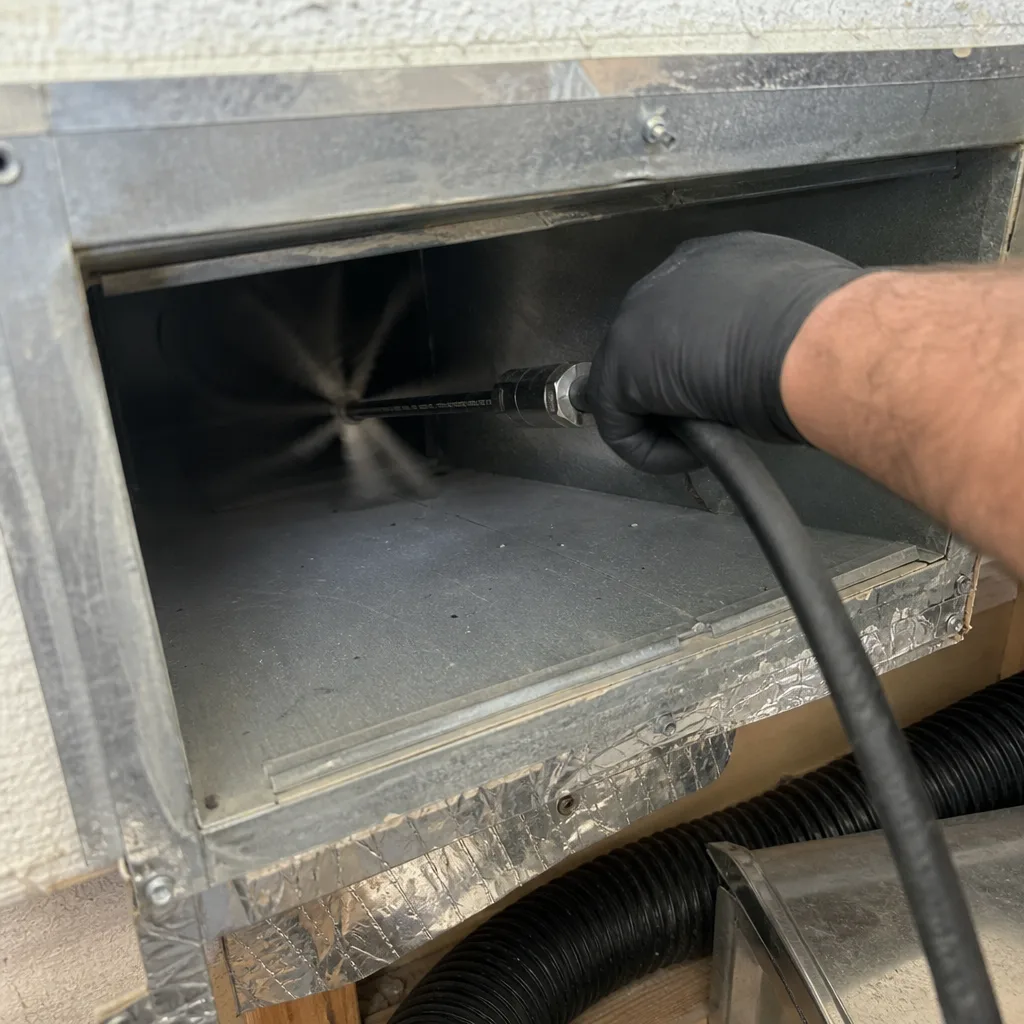
There’s a safe middle ground here. A homeowner can check the obvious: remove the register and look for separated flex duct, feel for airflow where the boot meets drywall, or spot gray dust streaks that indicate attic air intrusion. A flashlight and a steady ladder get you that far.
Where DIY goes wrong is the repair itself. Mastic application looks simple but requires negative-pressure verification to confirm the seal holds under blower load. More critically, Leander attics in July hit 140°F, and flex duct in that environment will skin knuckles and test balance fast. We don’t recommend working in unconditioned attic spaces without a partner, proper footing, and a plan for heat exhaustion. The actual risk is lower than electrical or spring work, but the failure mode is real: a partial seal that looks fine but leaks under pressure, wasting your Saturday and the material cost. If you’ve found the breach and want it fixed with a documented photo record and a written warranty, call (737) 252-1285. Estimates are free, and we put the number in writing before we touch a tool.
FAQs
Properly applied mastic with a mechanical collar lasts 10-15 years in Leander’s conditions, though the Hill Country’s temperature swings and cedar pollen load can accelerate degradation at the plenum joint. We inspect for cracking at the 5-year mark on every return visit. Call (737) 252-1285 if you’re unsure of your last service date.
Yes, in roughly 80% of the cases we see. A separated flex duct joint, a failed boot seal, or a cracked plenum collar can be resealed or patched with matching material. Replacement becomes necessary when the duct itself is crushed, rusted through, or improperly sized for the load. We photograph the damage and show you both options on the written scope before you decide.
Most single-point repairs are complete in 90 minutes to two hours. A full-system seal with negative-pressure verification takes four to six hours, depending on how many duct runs serve your home and whether the attic access requires protective sheeting for your floors. We give you the time estimate on the same written scope as the price.
We carry Aprilaire-compatible collars, dampers, and mastic compounds on every Leander service vehicle, plus Lennox, Trane, and Carrier equivalents for mixed-system homes. If your repair requires a factory-specific Aprilaire component we don’t have in inventory, we source it with next-day availability and schedule the install without a second trip charge. Call (737) 252-1285 to confirm current truck stock for your model number.
CleanRun Duct Repair & Cleaning is an independent service provider, not affiliated with Aprilaire. We source OEM and compatible parts through standard trade distribution.
Written by Tomas Reyes, Owner, CleanRun Air Duct Cleaning Leander at CleanRun Air Duct Cleaning Leander, serving Leander and nearby areas.