

Whole-system duct and dryer vent check with before-and-after photos - you see exactly what came out of your vents
That "$99 whole-house special" is a bait ad - the real number appears once they are in your hallway, or the "clean" is a shop-vac at the register. We photograph the inside of your ducts before and after instead.
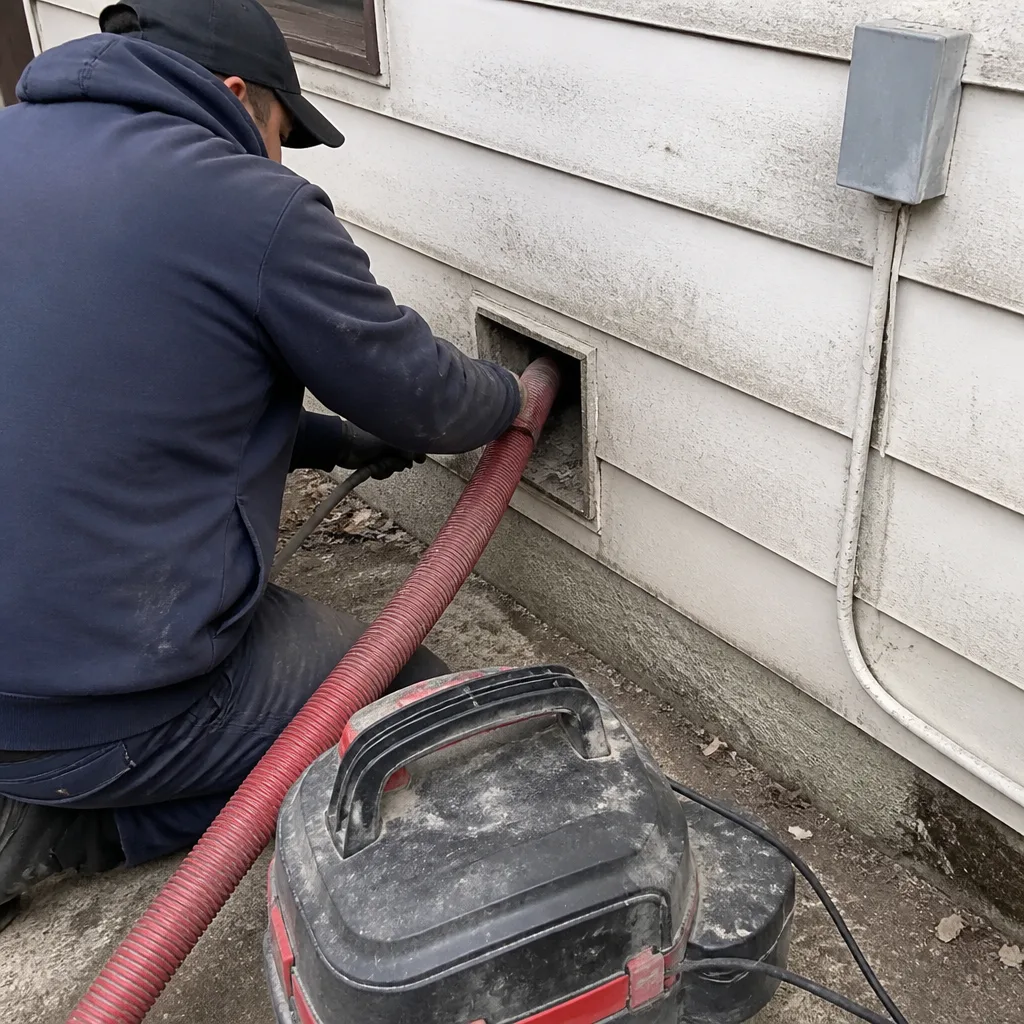 Before
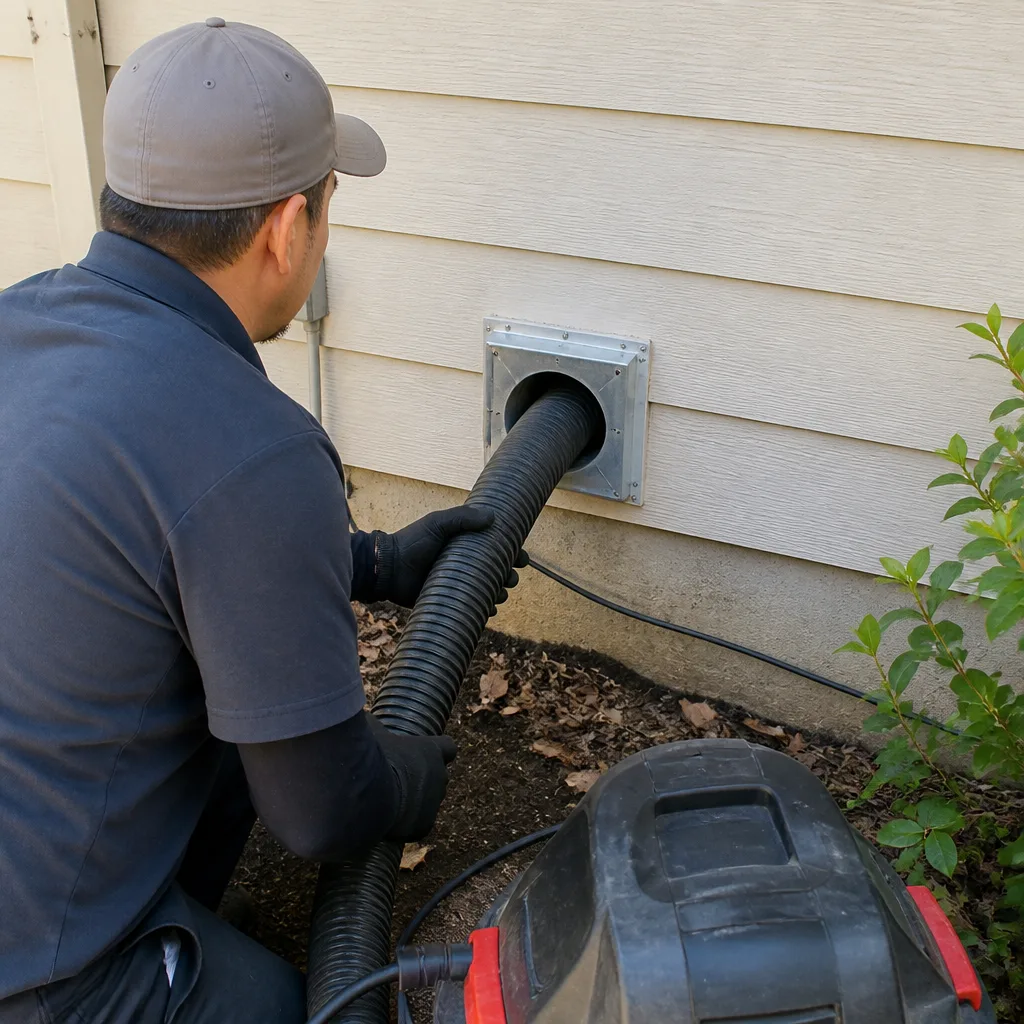 After
After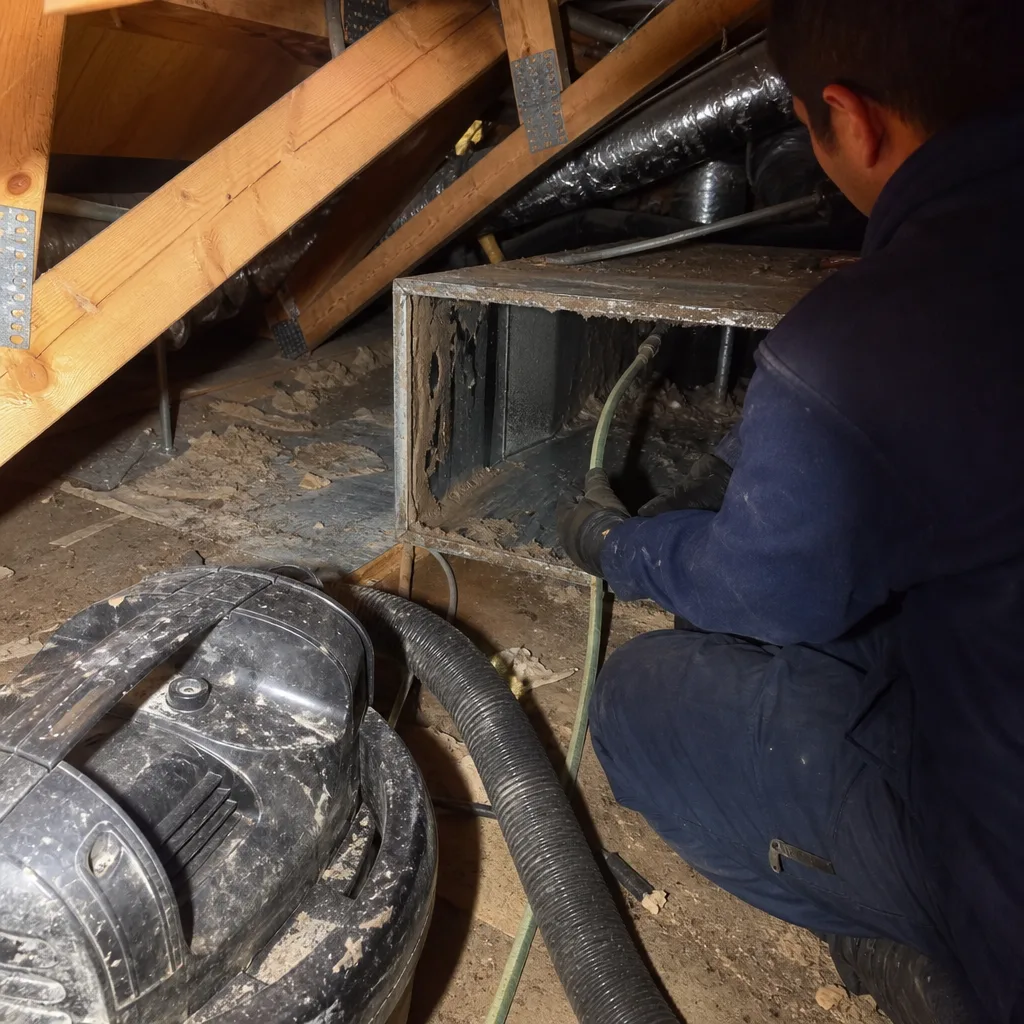 Before
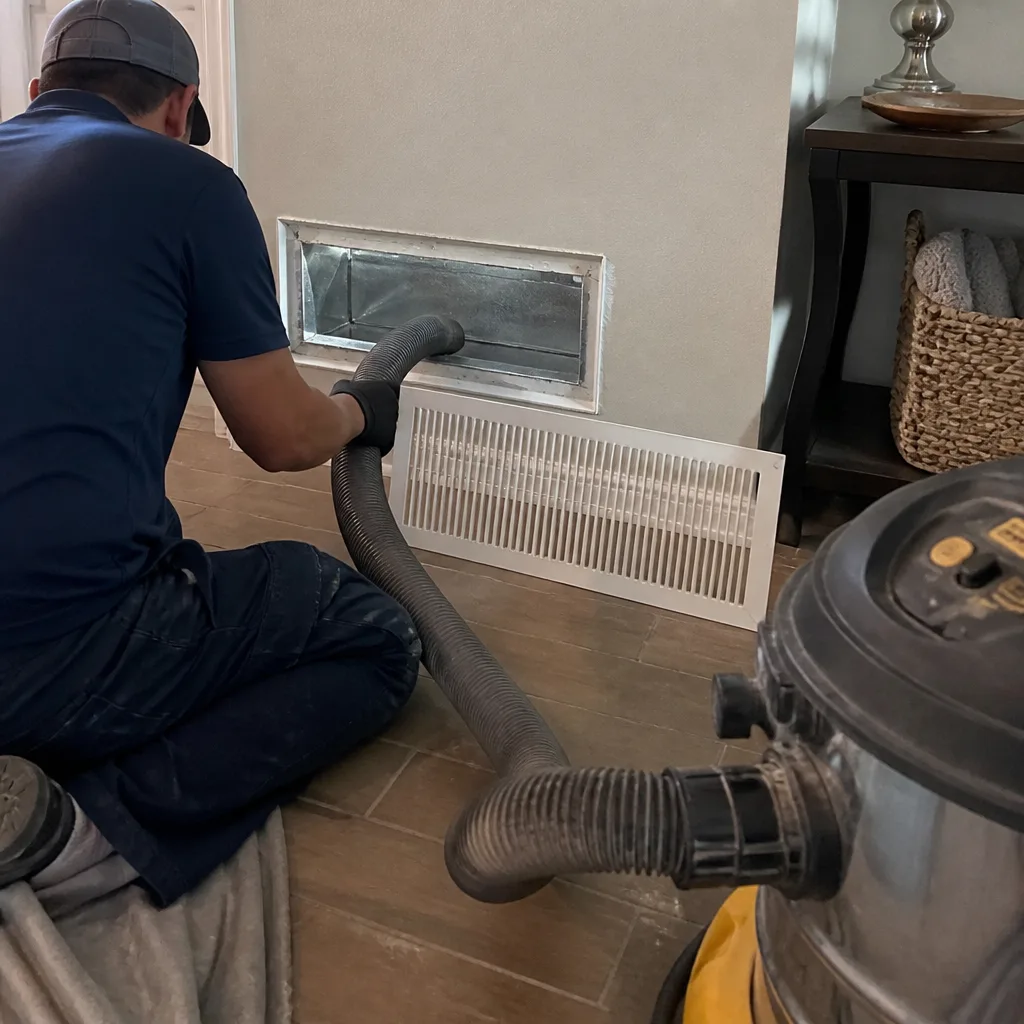 After
After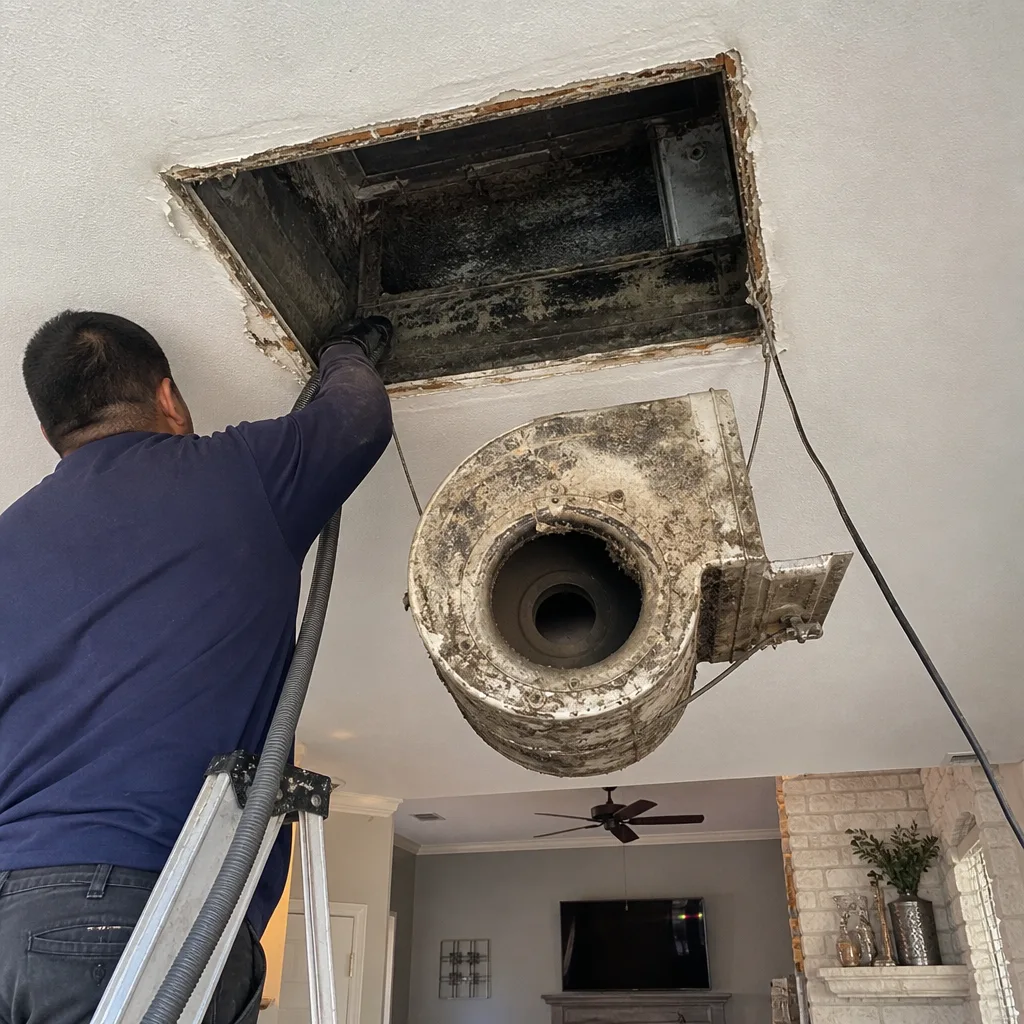 Before
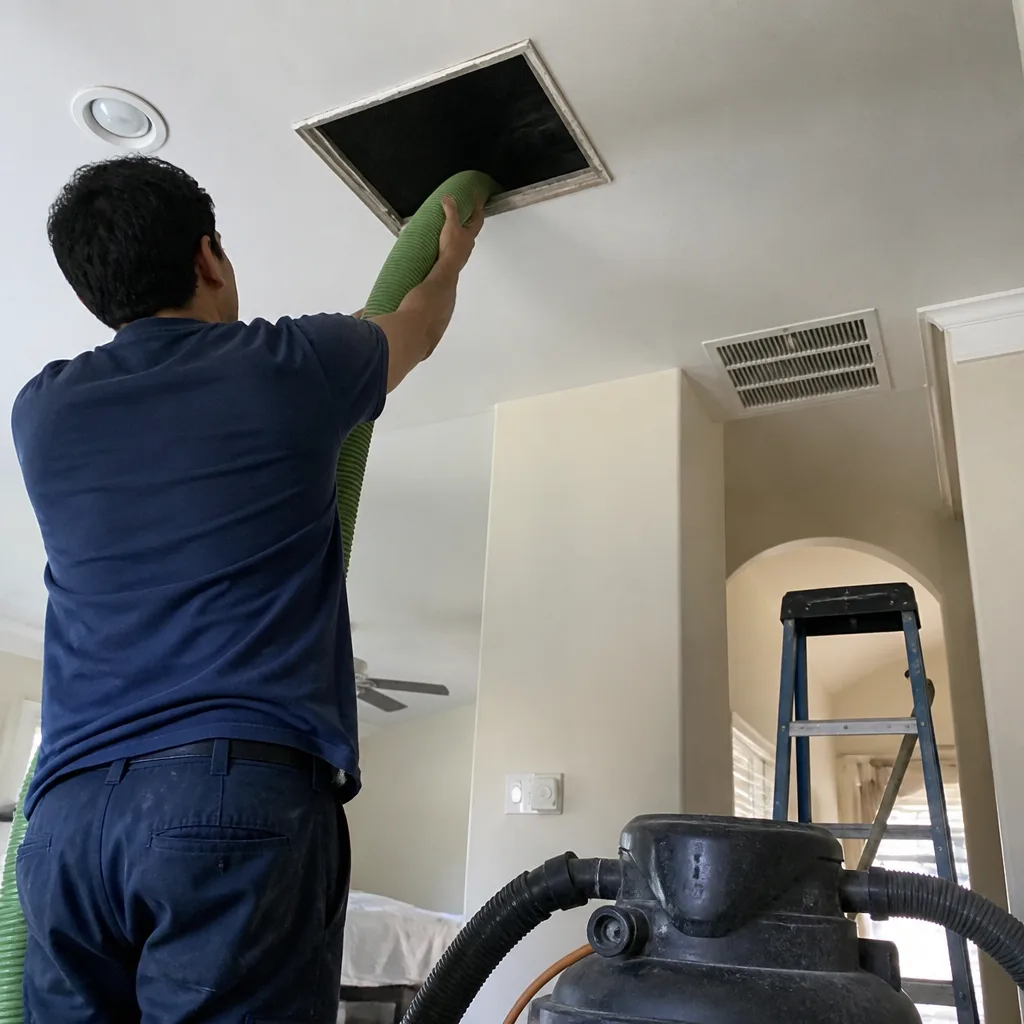 After
AfterFast, Reliable Dryer Vent Cleaning Across Austin
Dryer vent cleaning in Austin typically runs $149-$289 for a standard single-family home, with rerouting or cap replacement adding $75-$150 depending on attic access and materials. Most jobs are completed in 60-90 minutes, and every visit starts with a written price delivered before any work begins. Call (737) 252-1285 for a free estimate with no obligation.
We dispatch crews daily from our Austin office to neighborhoods from Hyde Park to Spicewood, and we know the local housing stock well enough to bring the right equipment before we arrive. Austin’s combination of cedar pollen season, attic-based duct routing, and aging flex vent materials creates failure patterns you won’t find in Dallas or Houston. Our Dryer Vent Cleaning team documents every run with before-and-after photos so you can see what was actually removed, not just hear vacuum noise.
Why CleanRun Air Duct Cleaning Leander Is Austin’s Preferred Dryer Vent Cleaning Company
We’ve served Austin-area homeowners since 2013 with a single rule: no work starts until the price is written and agreed. That policy, Haven Standard Clause 1, applies on every job, including the 52,000+ homes we’ve documented with photo records.
Austin customers find us because they have researched the category and want evidence, not promises. We publish our license number on every page, background-check and uniform every technician under Haven Standard Clause 3: Verified Crews, and deliver a Documented Photo Record of every vent run as a standard deliverable. The 365-Day Done Right Promise is backed in writing, not buried in a policy manual.
Our crews carry professional-grade equipment from Nikro, Honeywell, and Abatement Technologies - brands you can look up independently before you agree to any price. And we offer a Free Second Opinion on any competitor’s written estimate at no cost.
Scheduling and dispatch are coordinated from our Austin office, which means crews are routing locally rather than driving in from out of market.
Our Dryer Vent Cleaning Services in Austin
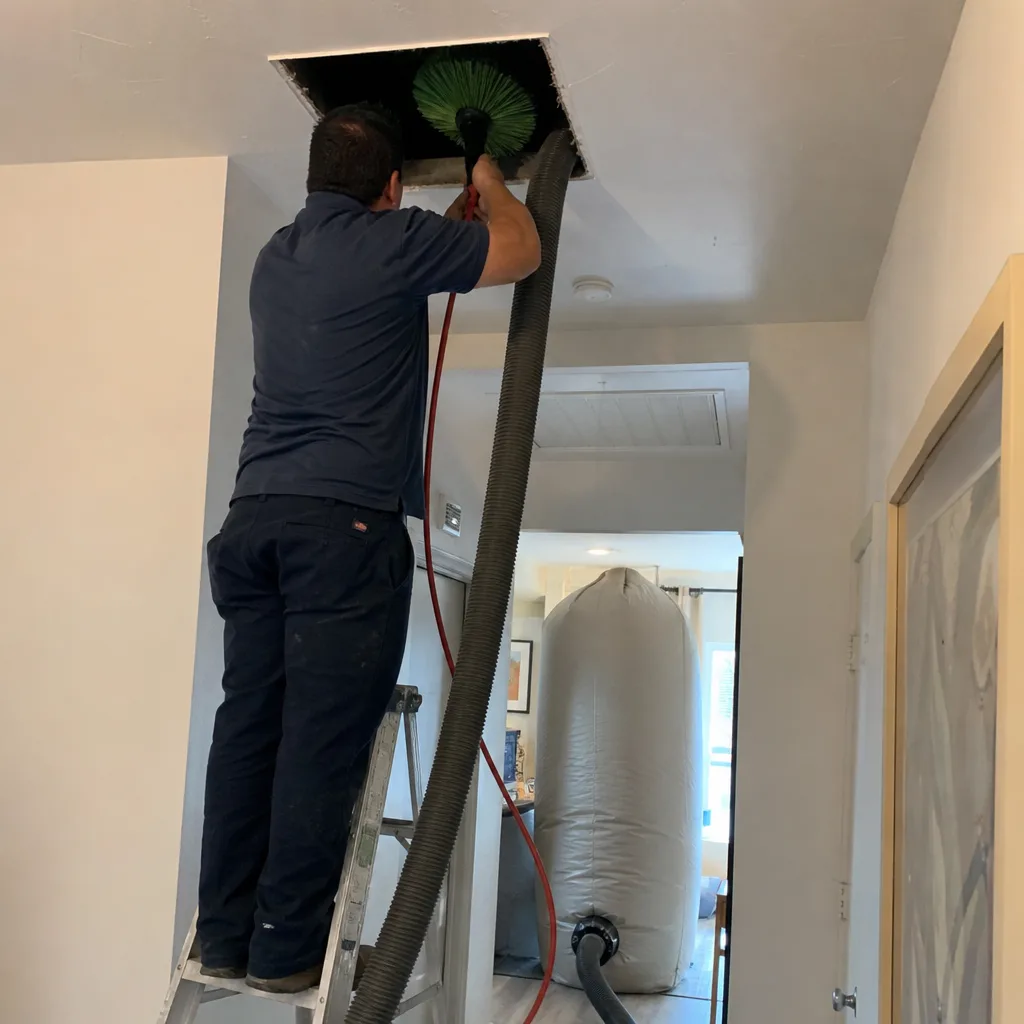
Dryer Vent Inspection
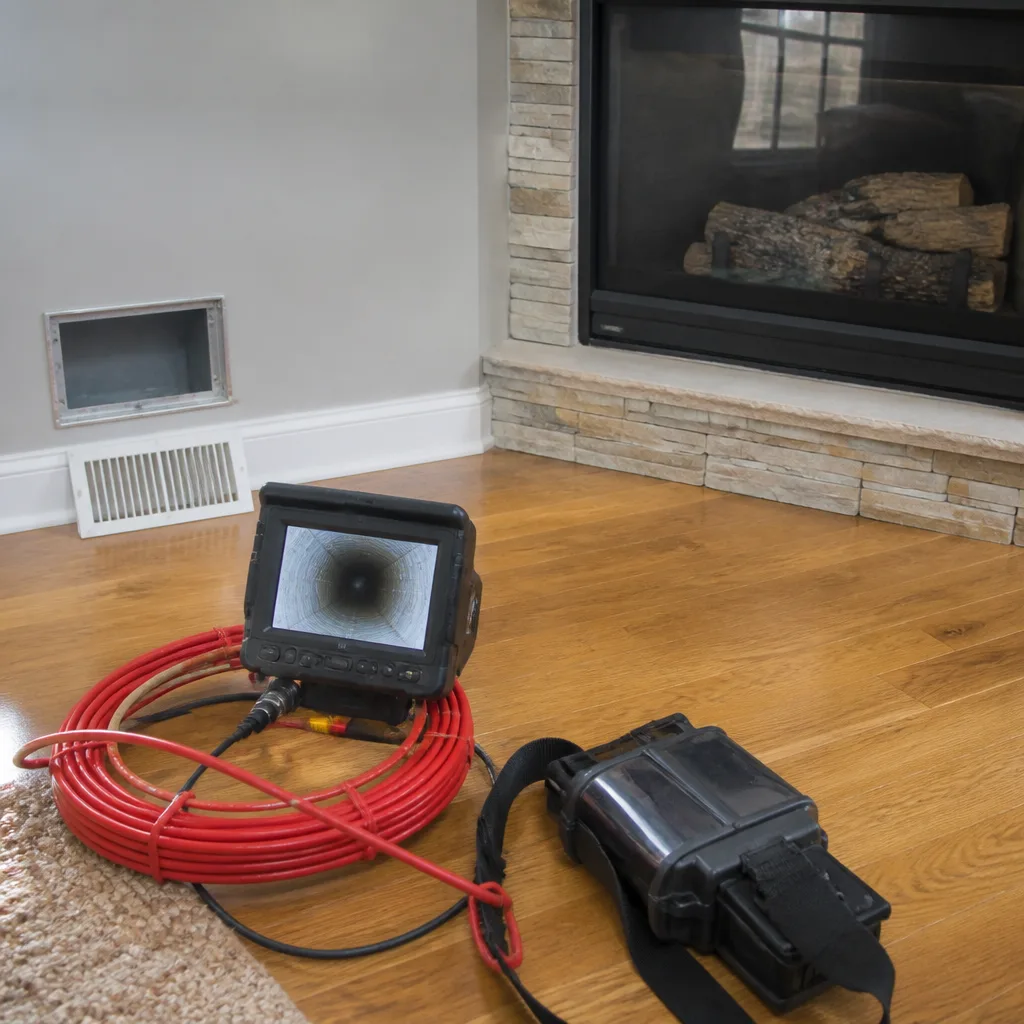
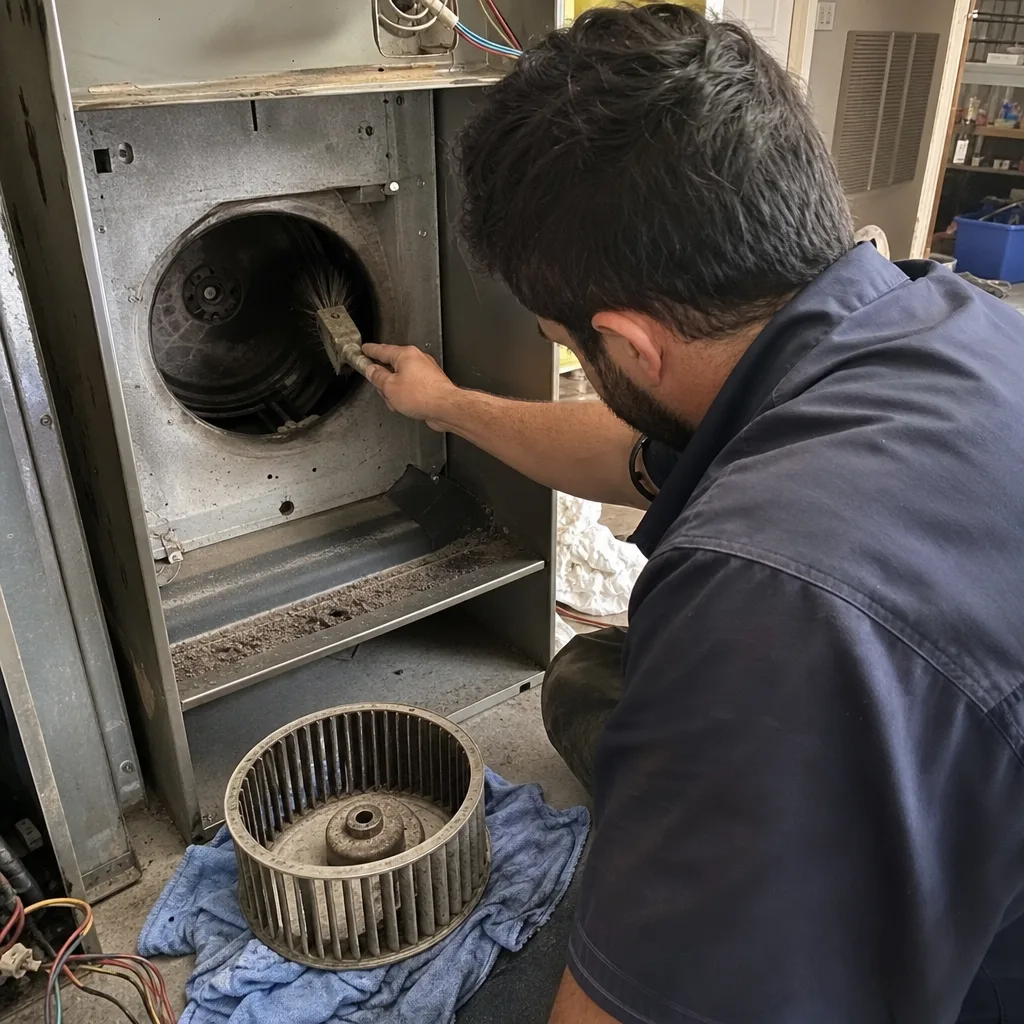
Every Austin job begins with a camera inspection of the full vent run, from the dryer connection to the exterior cap. In neighborhoods like Hyde Park and Travis Heights, we’re often looking at original foil flex duct from the 1960s or 1970s that has been crushed behind the air handler or buried under attic insulation. The camera shows exactly what the homeowner cannot see: lint accumulation depth, joint separation, pollen sediment coating, and any structural damage that would make cleaning alone insufficient. The inspection fee is waived when you proceed with service, and the footage becomes part of your Documented Photo Record.
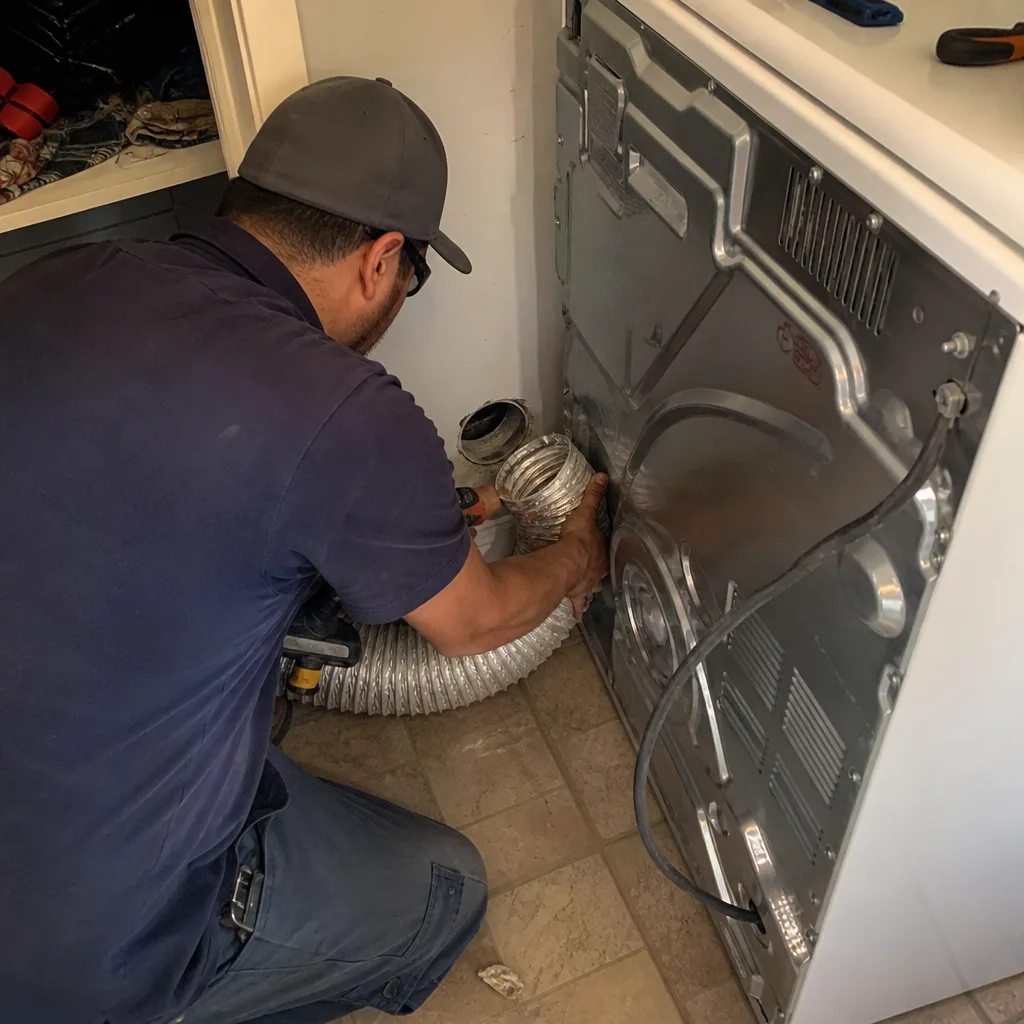
Vent Cleaning
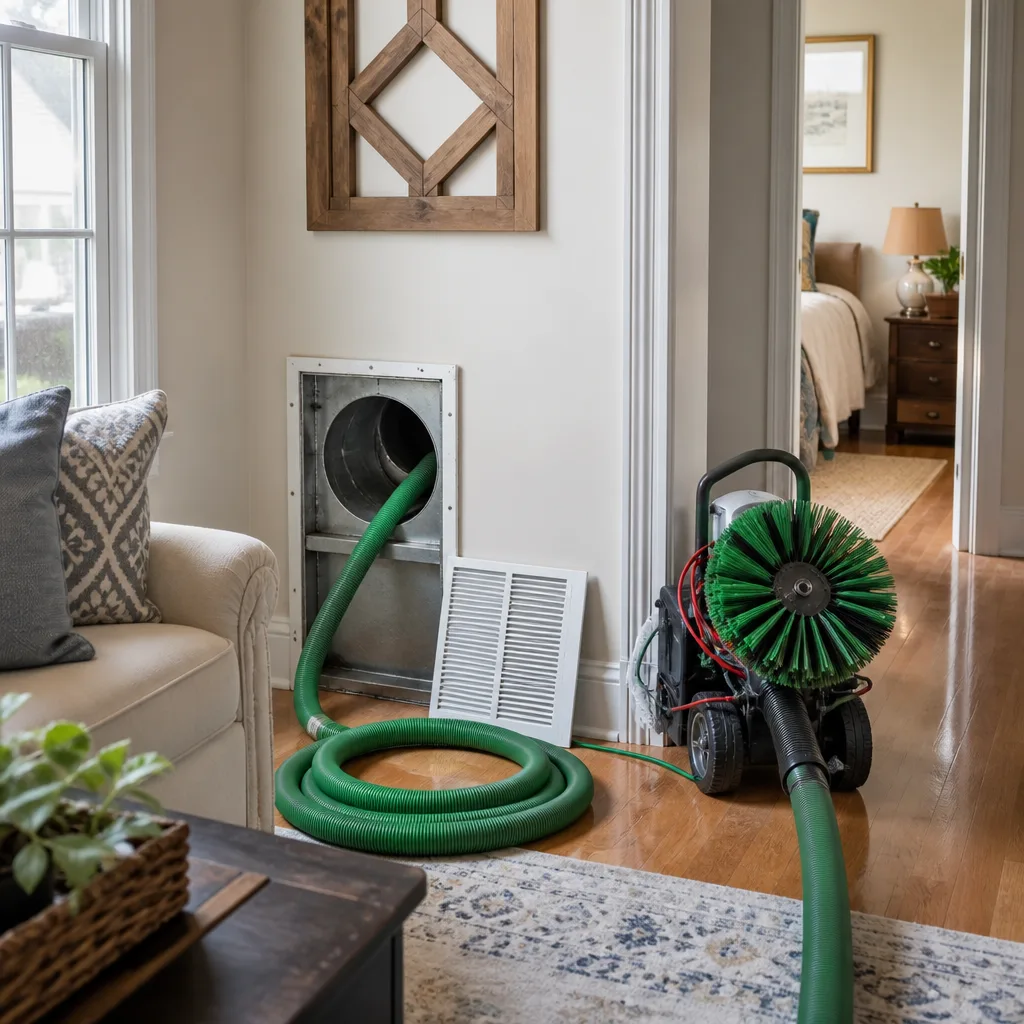
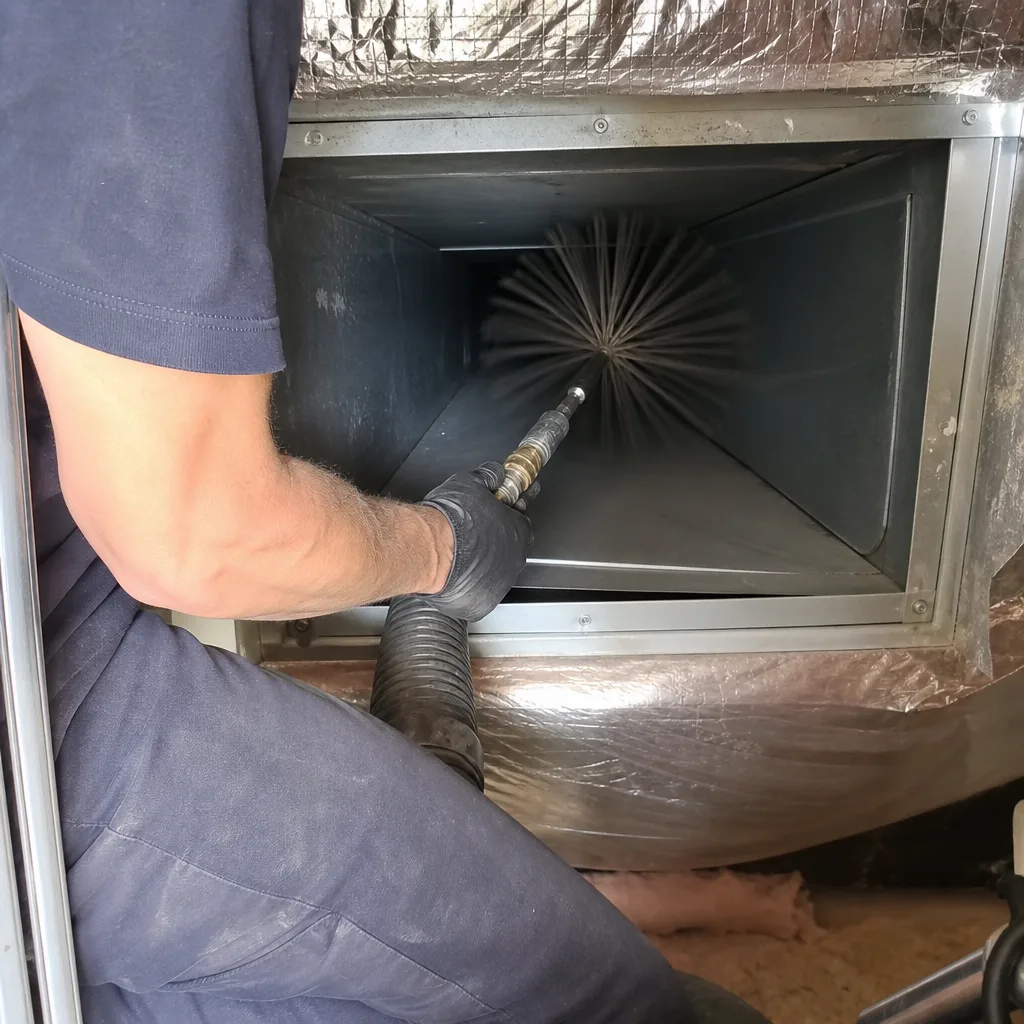
Our cleaning process uses agitation tools combined with negative-pressure extraction (a vacuum system that pulls debris outward rather than blowing it into your laundry room or attic). In Austin, this matters more than in most markets because cedar pollen sediment mixes with lint to form a dense, sticky mat that standard brushes won’t dislodge. We see this every January through March in Spicewood, Four Points, and along the 620 corridor, where heavy cedar events leave visible yellowish-tan debris on supply registers and inside vent runs. The equipment we use includes Nikro negative-pressure systems and Honeywell-certified agitation tools, and we photograph every stage.
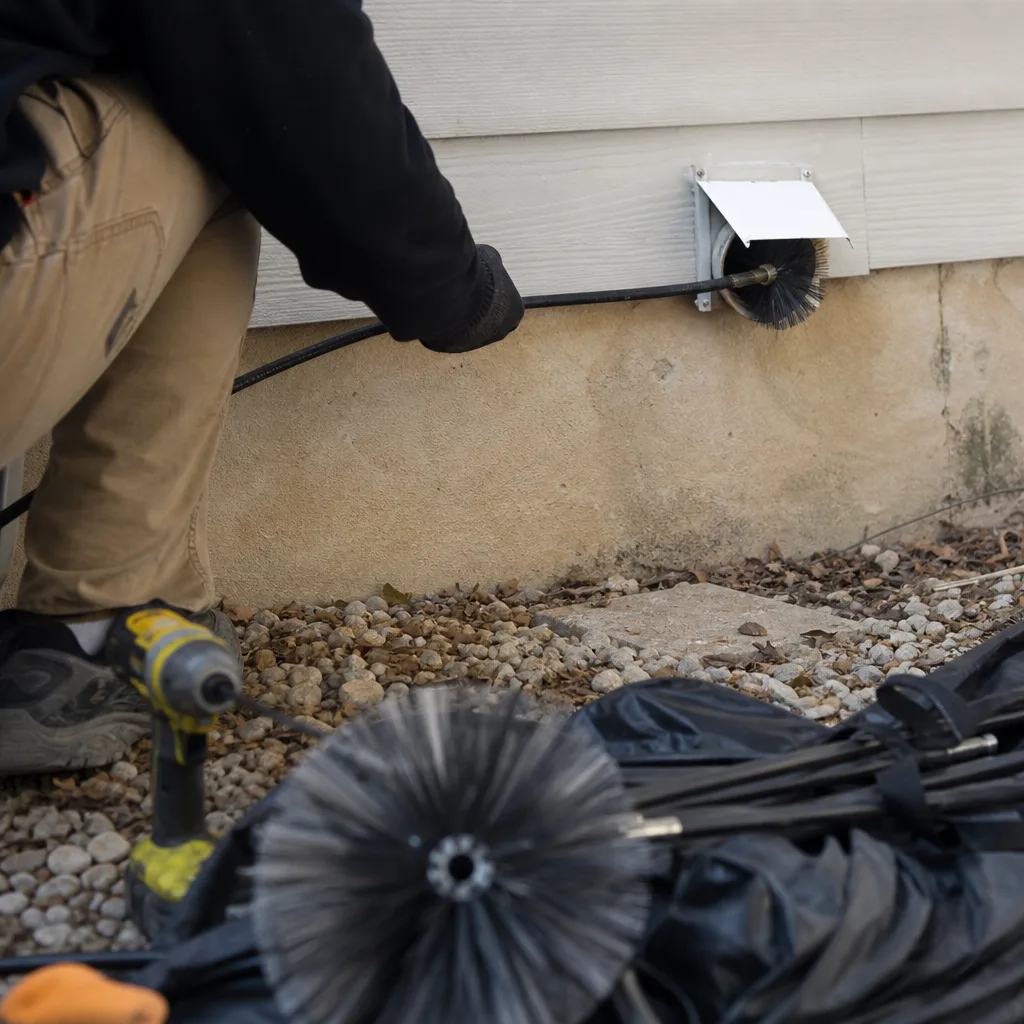
Lint Removal
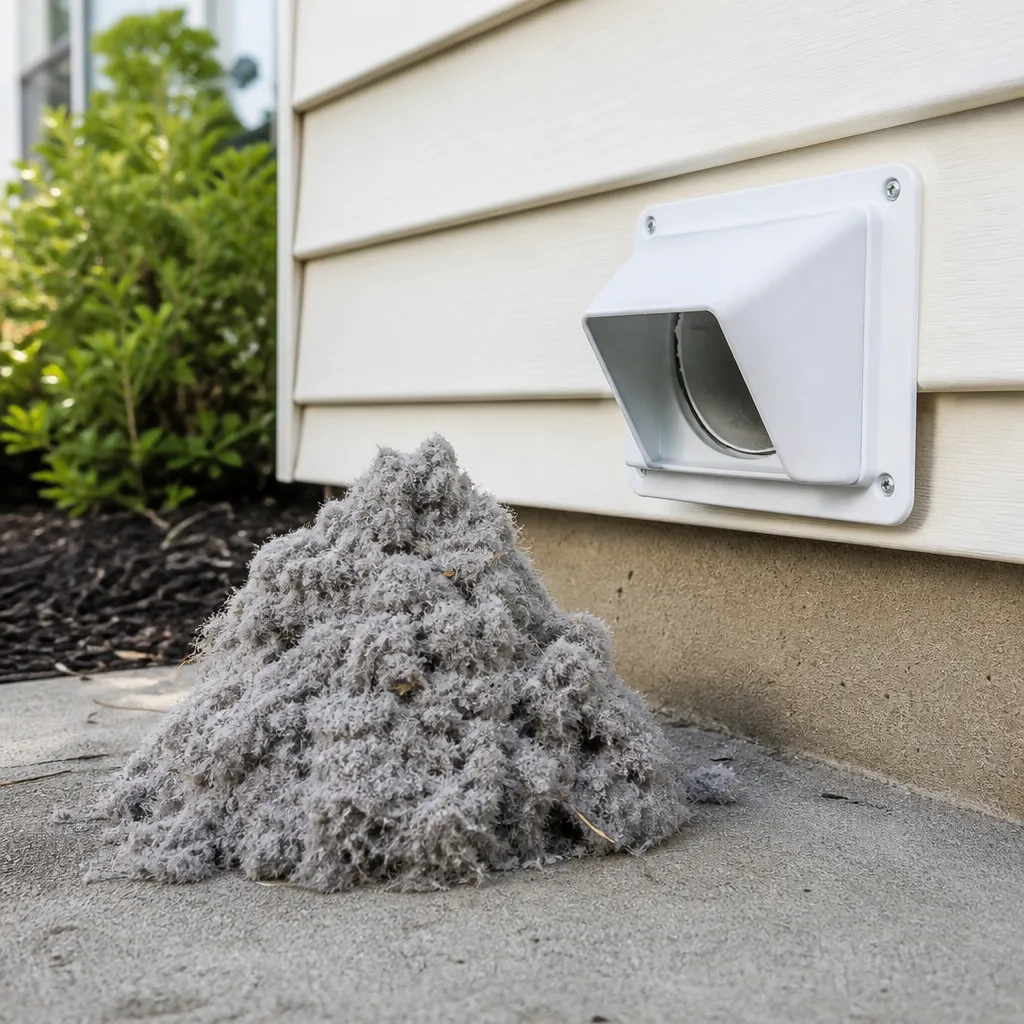
Lint traps catch roughly 60% of fiber shed during drying. The remaining 40% travels into the vent run, where it accumulates at elbows, joints, and any point where airflow slows. In Austin’s 1990s-2000s tract homes in Pflugerville, Cedar Park, and Round Rock, we frequently find lint packed 2-3 inches deep at the first elbow above the dryer, often combined with insulation debris pulled through gaps in foil tape that failed under summer attic heat. We remove this material mechanically and verify clearance with a camera before reassembling the run.
Vent Rerouting
Some Austin dryer vents cannot be cleaned effectively because the original routing is unsafe or no longer functional. This is common in 1950s-1970s bungalows where the vent was run through an uninsulated attic chase shared with HVAC ductwork, or where a previous homeowner used vinyl or plastic flex (a fire hazard under current code). Rerouting replaces the entire run with rigid metal duct, properly supported and insulated where it passes through unconditioned space. We also relocate termination points when the original cap is blocked by a deck addition, dense landscaping, or a changed roofline. Every reroute includes a new Guardsman vent cap with integrated bird guard.
Vent Cap Replacement
Exterior vent caps in Austin take punishment: UV degradation, hail, and wasp or bird nesting. We replace failed caps with Guardsman units that include backdraft dampers and bird guards, and we verify that the new cap terminates at least 12 inches above grade and 3 feet from any operable window (per local code). In cedar-heavy areas, we also check that the cap’s mesh is fine enough to exclude pollen-laden attic air from back-drafting into the vent when the dryer is off.
Bird Guard Installation
Northwest Austin, with its Hill Country interface, has persistent bird and rodent pressure on exterior vent terminations. A bird guard adds a stainless-steel mesh barrier that stops nesting without restricting airflow. We size the mesh to the vent diameter and dryer CFM rating, and we document the pressure reading after installation to confirm the dryer is not working harder than designed.
What happens when you call
- 1
A real person answersNo phone trees - you reach a local pro.
- 2
You get an upfront price rangeHonest numbers before anyone is dispatched.
- 3
A background-checked tech heads outLicensed & insured, dispatched right away.
- 4
You approve before work beginsNothing starts until you say go.
BeforeAfterTrusted Brands We Service in Austin
Our equipment roster includes Nikro negative-pressure extractors, Honeywell-certified agitation systems, and Abatement Technologies HEPA filtration for jobs where attic access stirs settled particulate. We stock Guardsman vent caps and rigid metal duct fittings in our Austin warehouse, which means most cap replacements and reroutes are completed same visit without a parts delay. Customers can verify every brand independently before agreeing to any written price.
Common Dryer Vent Cleaning Problems We See in Austin Homes
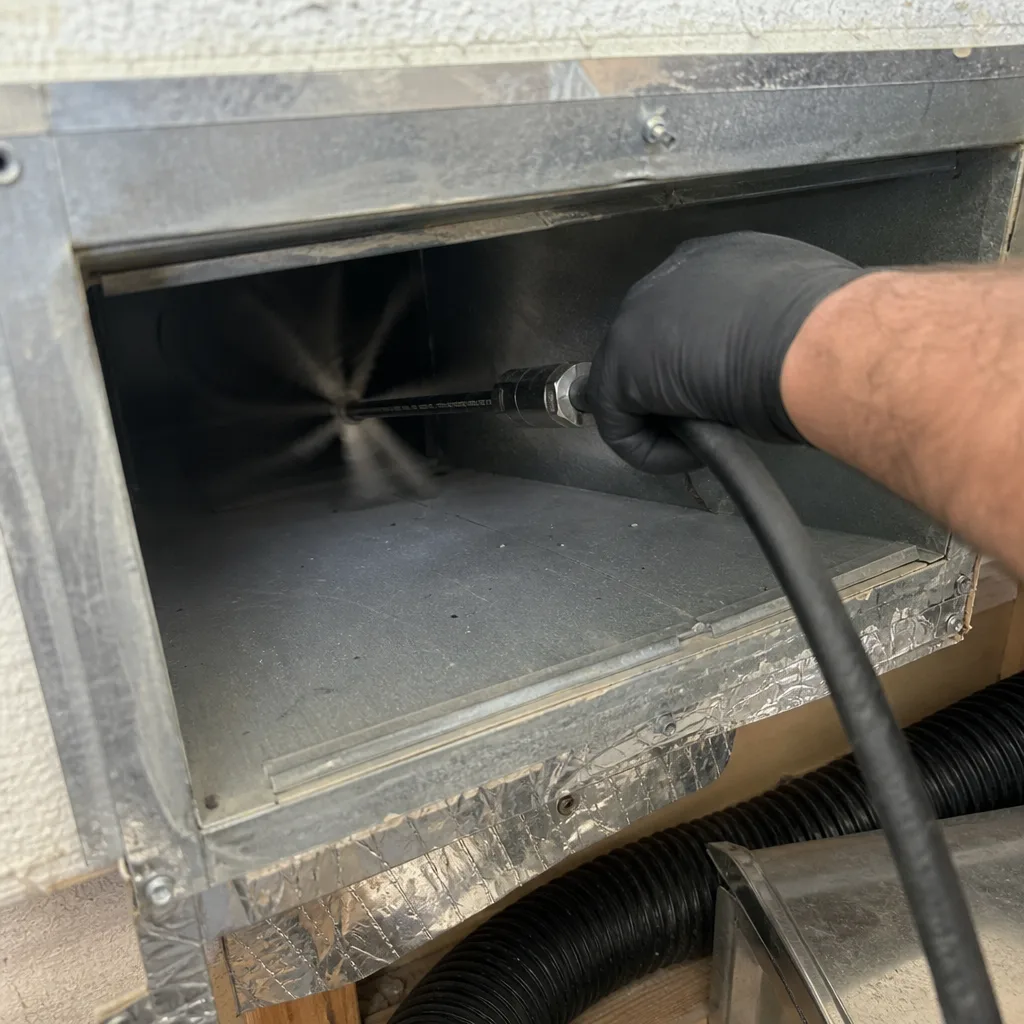
- Crushed or disconnected flex runs in older bungalows. In Hyde Park and Travis Heights, original foil flex duct was often routed behind the air handler or through tight attic chases where it was eventually crushed by maintenance activity or settling insulation. The restriction slows airflow, extends drying time, and creates a hot spot where lint ignites more easily.
- Cedar pollen-lint sediment blocking attic-run vents. Austin’s cedar season deposits ultra-fine pollen in attic insulation. When foil tape or mastic fails under 140-150°F summer heat, gaps pull this pollen into the dryer vent run, where it mixes with lint into a dense, sticky mat that standard lint trap cleaning cannot reach.
- Heat-degraded connections on 1990s-2000s tract homes. Homes in Pflugerville, Cedar Park, and Round Rock often have attic-run dryer vents with foil tape connections that have dried and separated after 20-30 years of thermal cycling. The gaps pull hot attic air and insulation debris into the lint pathway, accelerating blockage and creating a fire hazard.
- Improper terminations and missing bird guards. We find vents terminating under decks, behind dense shrubbery, or with caps so degraded that birds have built nests inside the duct. Each of these conditions restricts airflow and violates the manufacturer’s clearance requirements for safe dryer operation.
Pricing for Dryer Vent Cleaning in Austin, TX
A standard dryer vent cleaning in Austin runs $149-$189 for a single-story home with accessible attic or crawl access and a straight vent run under 15 feet. Two-story homes, runs exceeding 25 feet, or vents with multiple elbows typically fall in the $189-$289 range. Vent rerouting with rigid metal duct and a new Guardsman cap adds $150-$275 depending on linear footage and attic complexity. Bird guard installation is $45-$75 when done as part of a cleaning.
What moves the price: attic accessibility (blown insulation versus walkable decking), number of elbows and transitions, whether the vent is currently blocked (requiring more time and specialized tools), and whether the existing run is code-compliant or needs full replacement. We deliver a written price before any work starts, every time, with no per-vent add-ons or trip charges. Estimates are free.
Call (737) 252-1285 for an exact quote on your specific home.
We Also Serve Cities Near Austin
Our crews work throughout the Austin metro, including Austin proper and the surrounding communities of Pflugerville, Cedar Park, Round Rock, and Hutto. Scheduling is coordinated from our Austin office, so response times to these areas are consistent with in-city appointments.
Serving Austin, TX - Our Local Coverage Area
We’re based in the Austin area and know this community well. Use the map below to see our service coverage - if you’re nearby, we can almost certainly help.
FAQs - Dryer Vent Cleaning in Austin
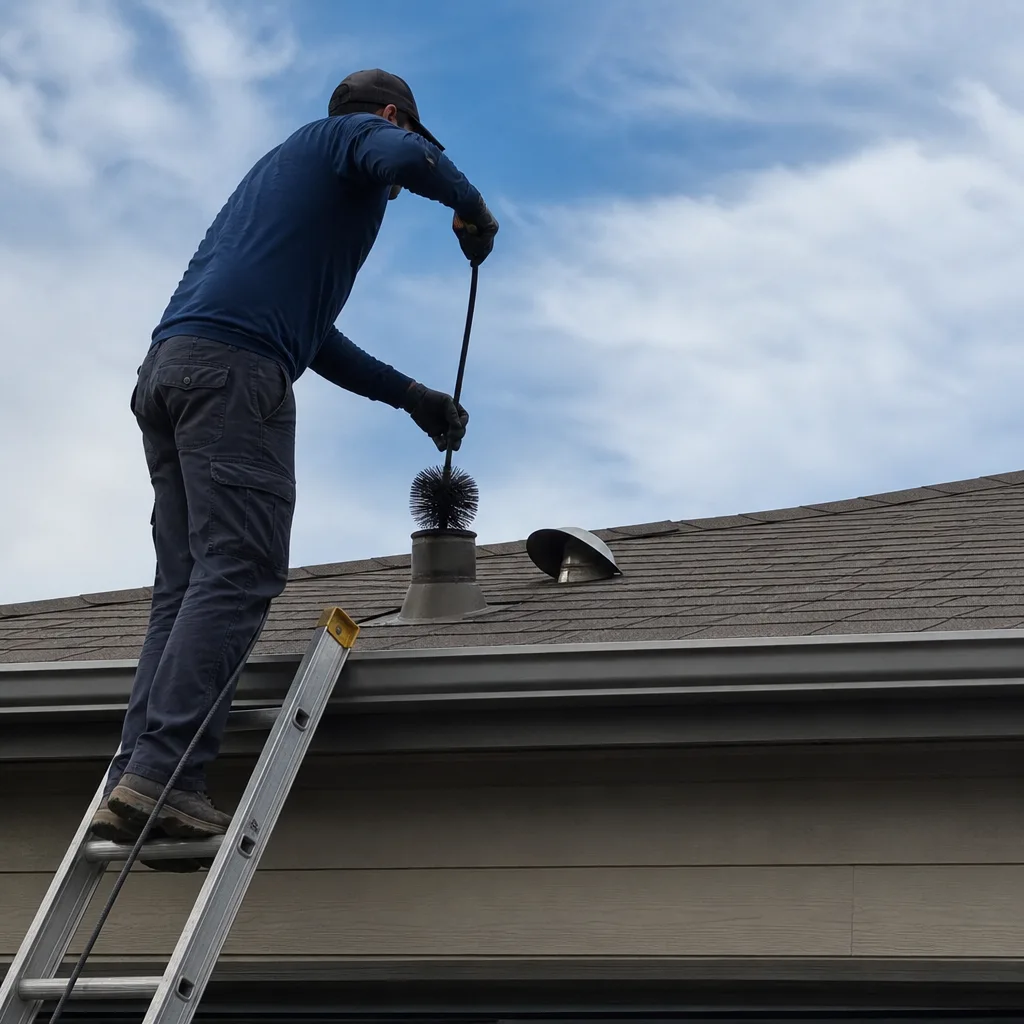
Austin’s cedar pollen season and attic-based duct routing combine to accelerate blockage in ways most markets don’t experience. Cedar pollen settles in attic insulation during December through February, and when summer heat degrades foil tape connections on attic-run vents, that pollen gets drawn into the lint pathway and forms a dense, sticky sediment. Call (737) 252-1285 for a camera inspection that will show you exactly what’s inside your run.
Yes, and often more severely. In Austin’s 1950s-1970s bungalows, dryer vents were frequently routed through the same uninsulated attic chase as HVAC flex duct, so cedar pollen that settles in the attic insulation each winter gets drawn into the dryer vent run as well. We also find original foil flex crushed behind air handlers and packed with years of lint-and-pollen accumulation. A camera inspection will reveal whether cleaning alone is sufficient or if rerouting is the safer long-term fix.
Rerouting is necessary when the existing vent material is unsafe (vinyl or plastic flex, both fire hazards), when the run has been crushed or disconnected in a way that cannot be restored to full diameter, or when the termination point violates code or manufacturer clearance requirements. Our camera inspection shows you the condition of every joint and the full interior surface. If cleaning alone would leave a damaged or non-compliant run, we explain that in writing and provide a separate price for rerouting before any work begins.
Cedar pollen is ultra-fine and oily, so when it mixes with lint in a humid laundry environment, it forms a dense mat that adheres to duct walls and resists standard brushing. Regular lint is fibrous and dry; it responds to agitation. Cedar-lint sediment requires negative-pressure extraction with professional agitation tools to fully remove. We see this distinct yellowish-tan buildup every spring in northwest Austin neighborhoods closest to the Hill Country.
Yes. Lint traps capture roughly 60% of shed fiber; the remaining 40% enters the vent run. Over months and years, this accumulation restricts airflow, forces the dryer to run longer and hotter, and creates a fire hazard. In Austin, the additional factor of cedar pollen sediment makes professional cleaning even more critical. The U.S. Fire Administration reports that failure to clean dryer vents is the leading cause of residential dryer fires. Our camera inspection will show you the actual accumulation depth in your specific vent.
Ready to see what’s inside your vent? Call (737) 252-1285 for a free estimate. We’ll deliver a written price before any work starts, document every run with before-and-after photos, and back the work with our 365-Day Done Right Promise.
Written by Tomas Reyes, Owner at CleanRun Duct Repair & Cleaning, serving Austin since 2013.