
Whole-system duct and dryer vent check with before-and-after photos - you see exactly what came out of your vents
That "$99 whole-house special" is a bait ad - the real number appears once they are in your hallway, or the "clean" is a shop-vac at the register. We photograph the inside of your ducts before and after instead.
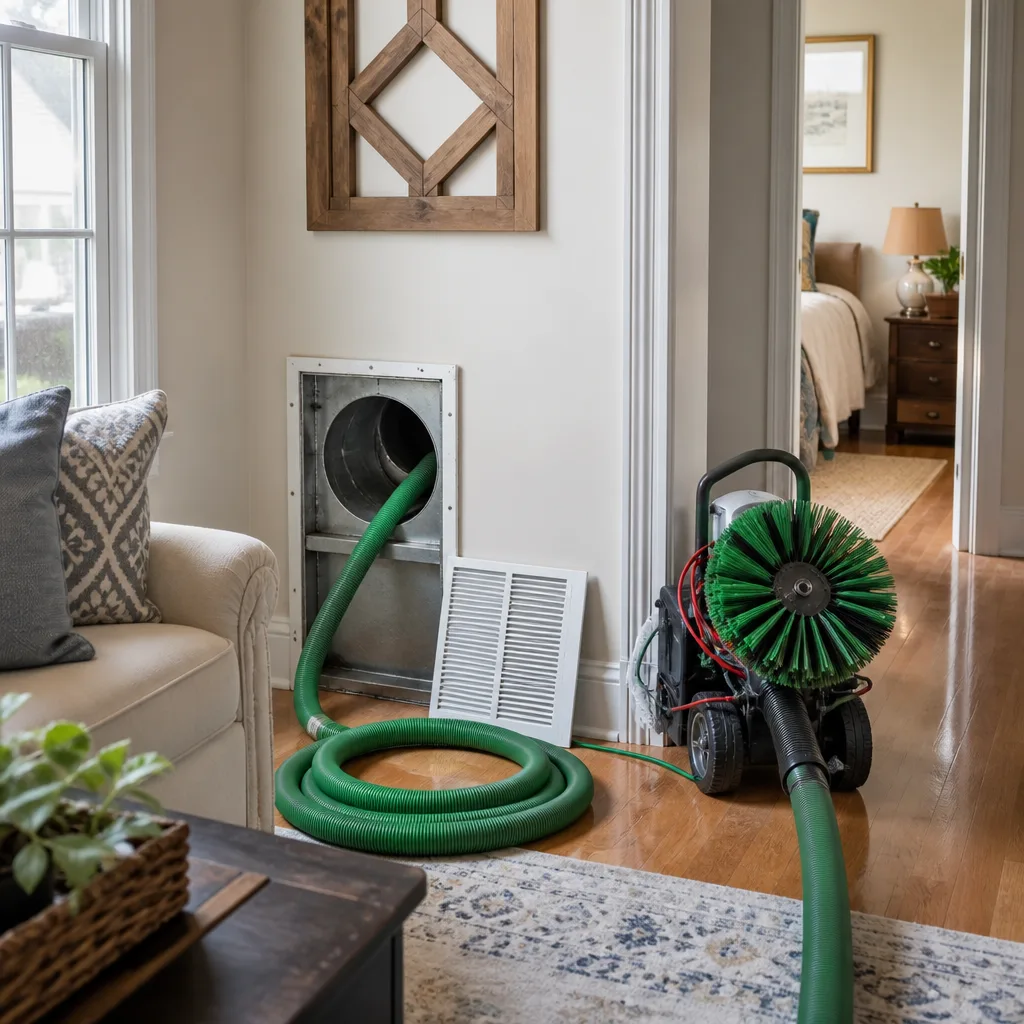
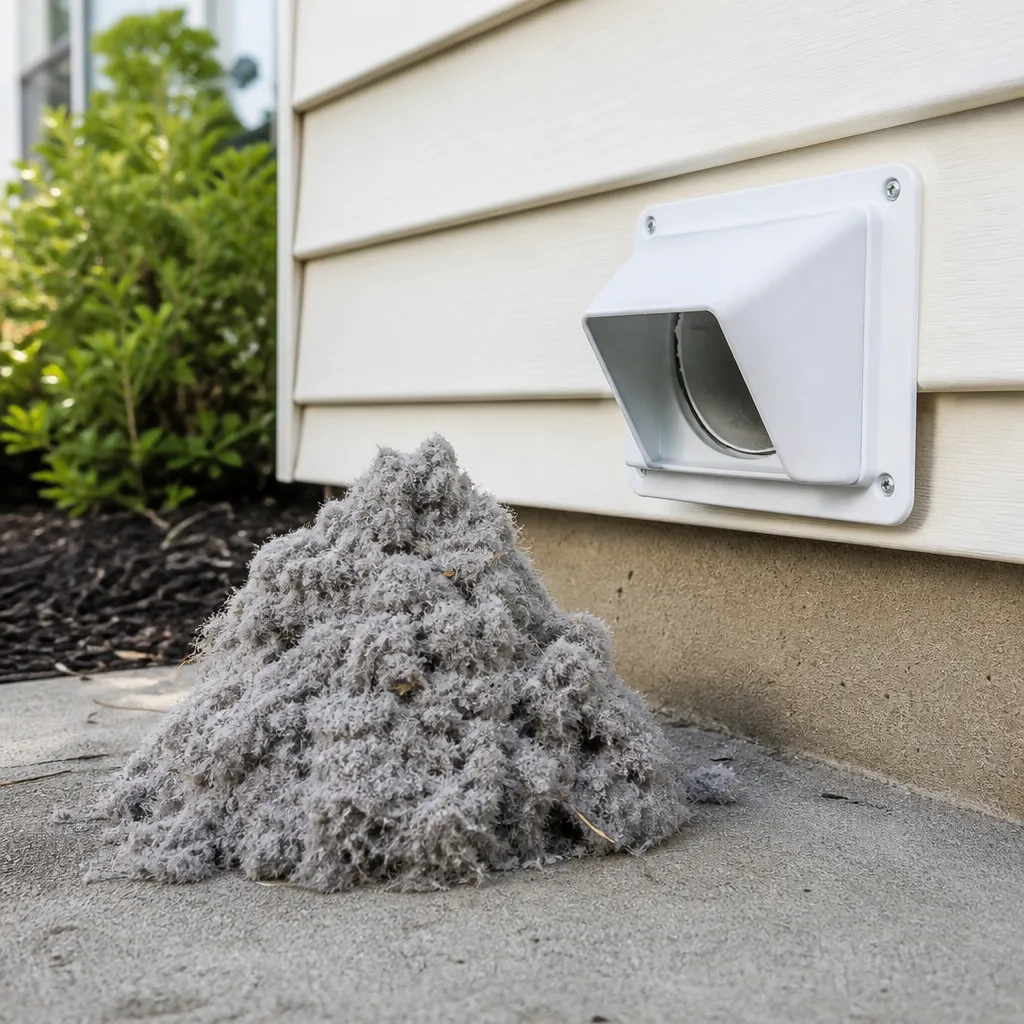
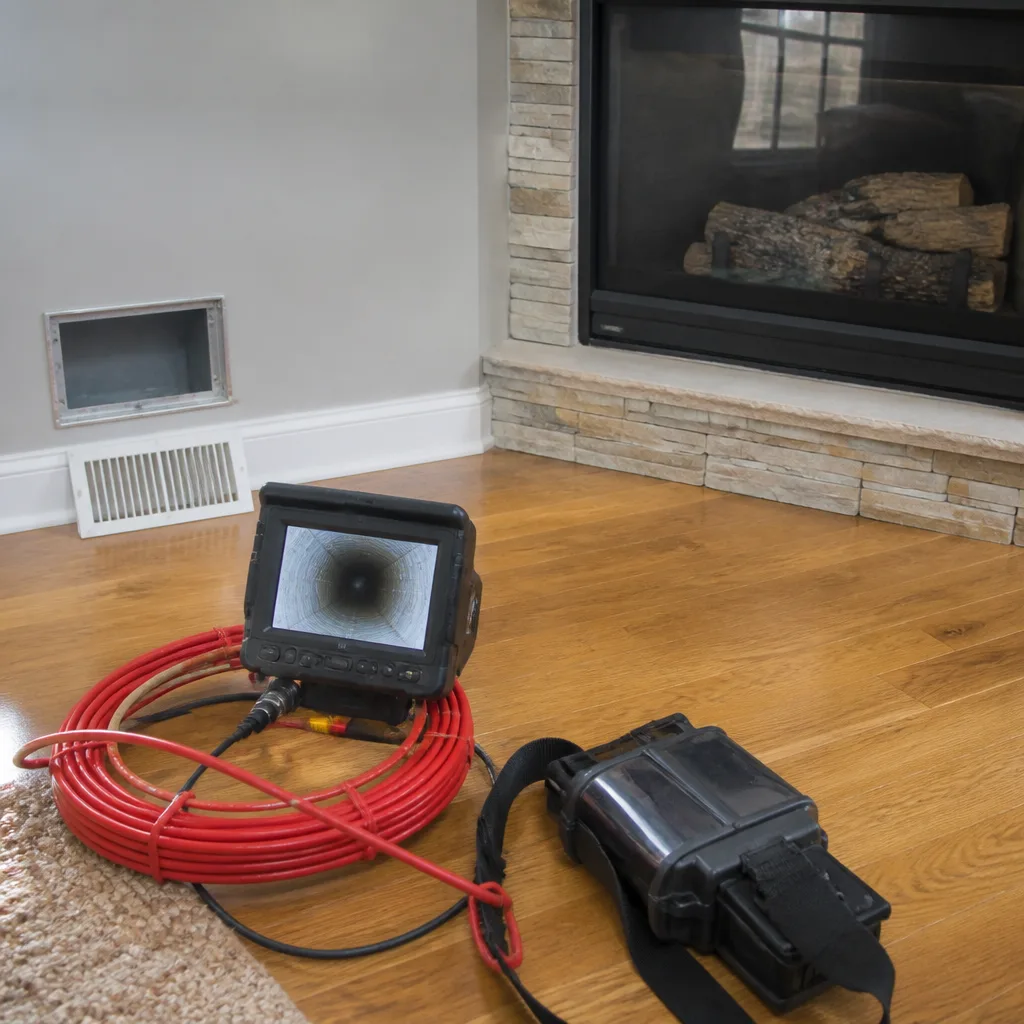
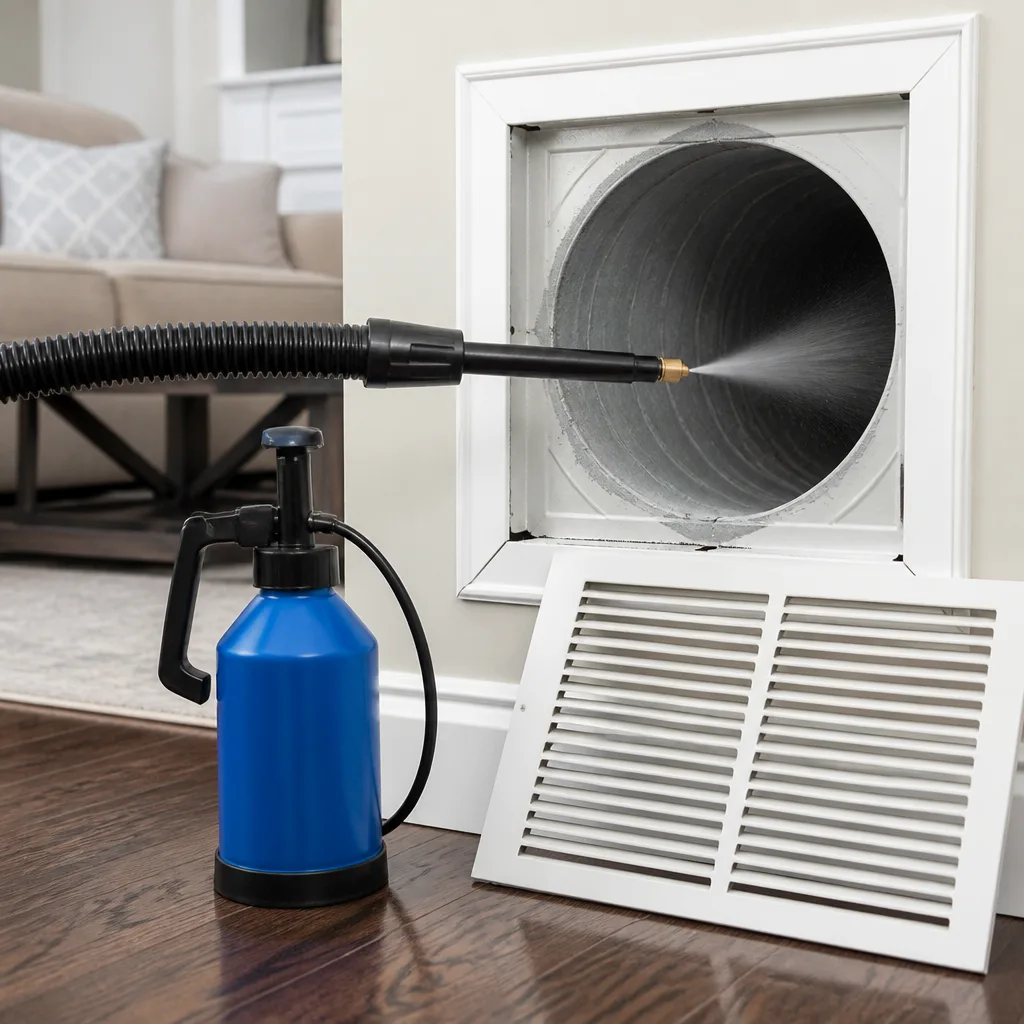
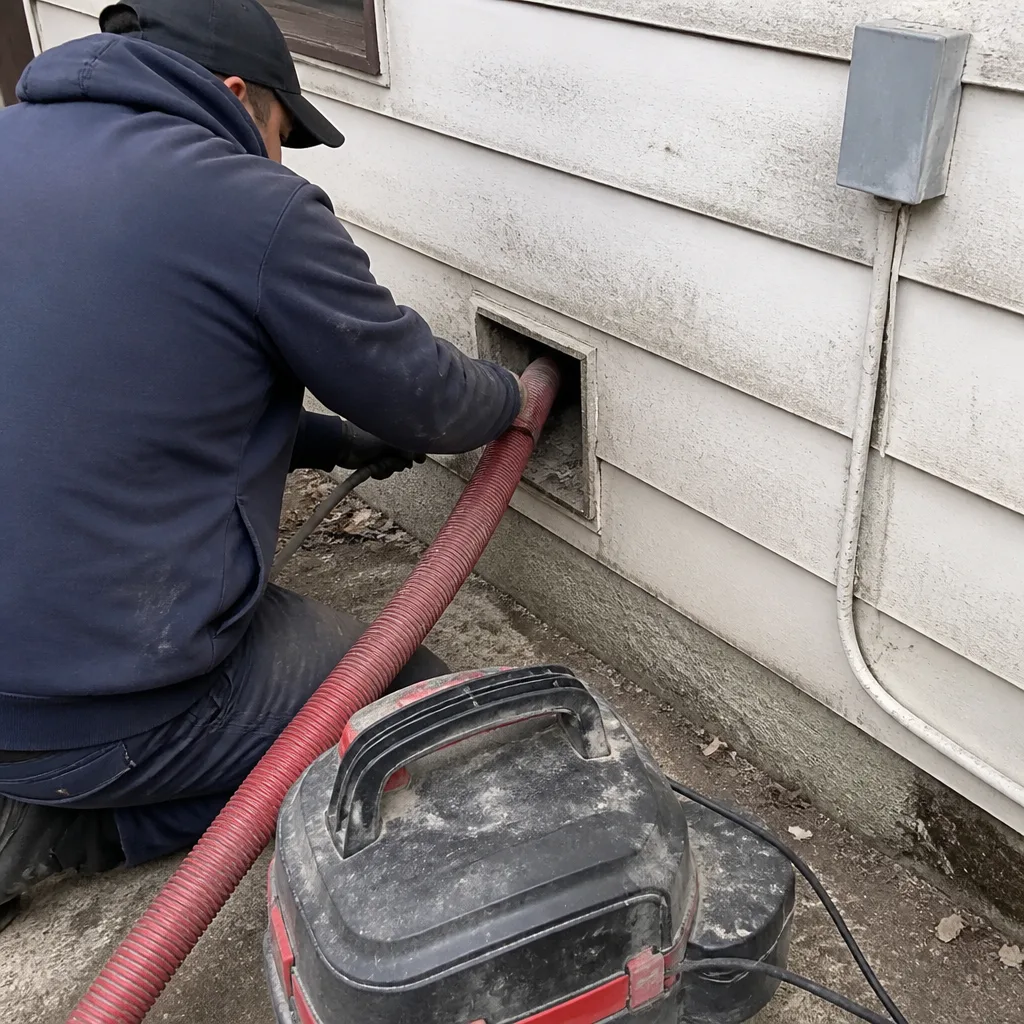 Before
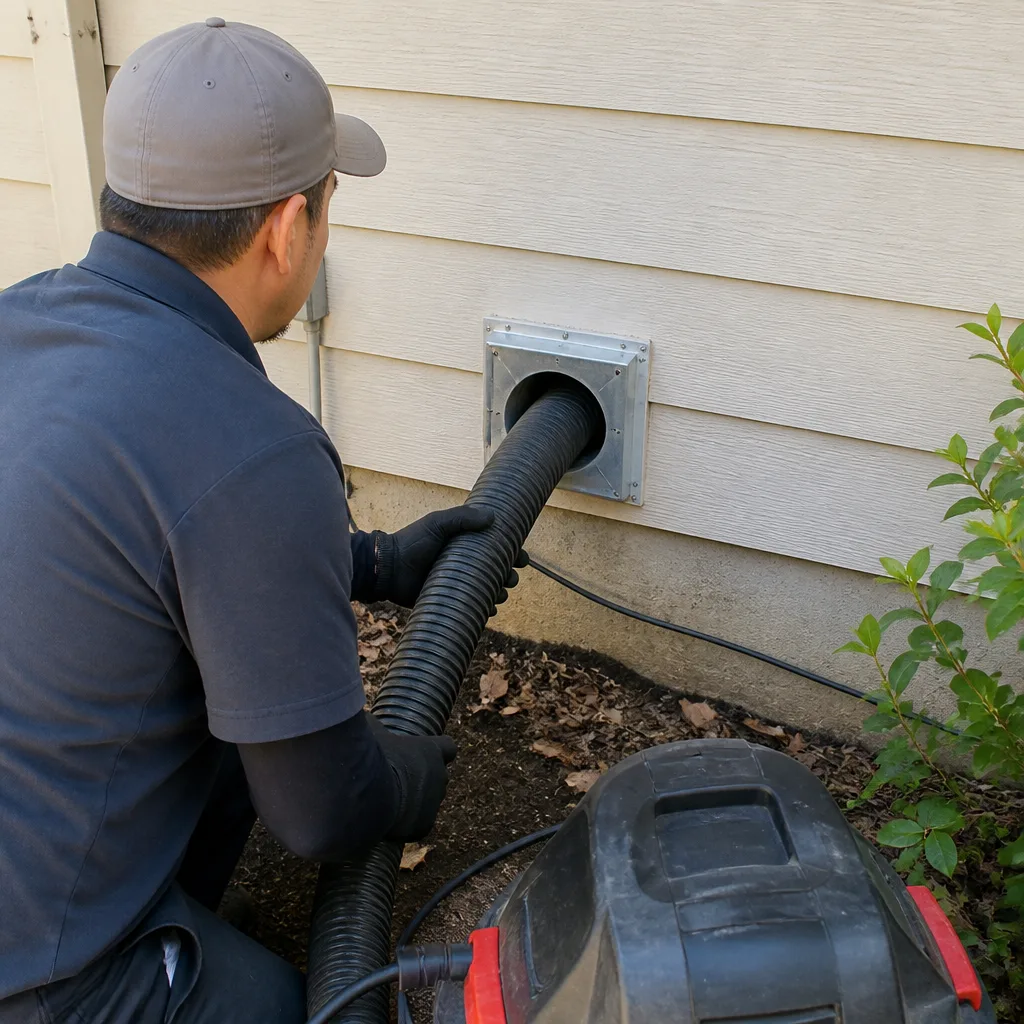 After
After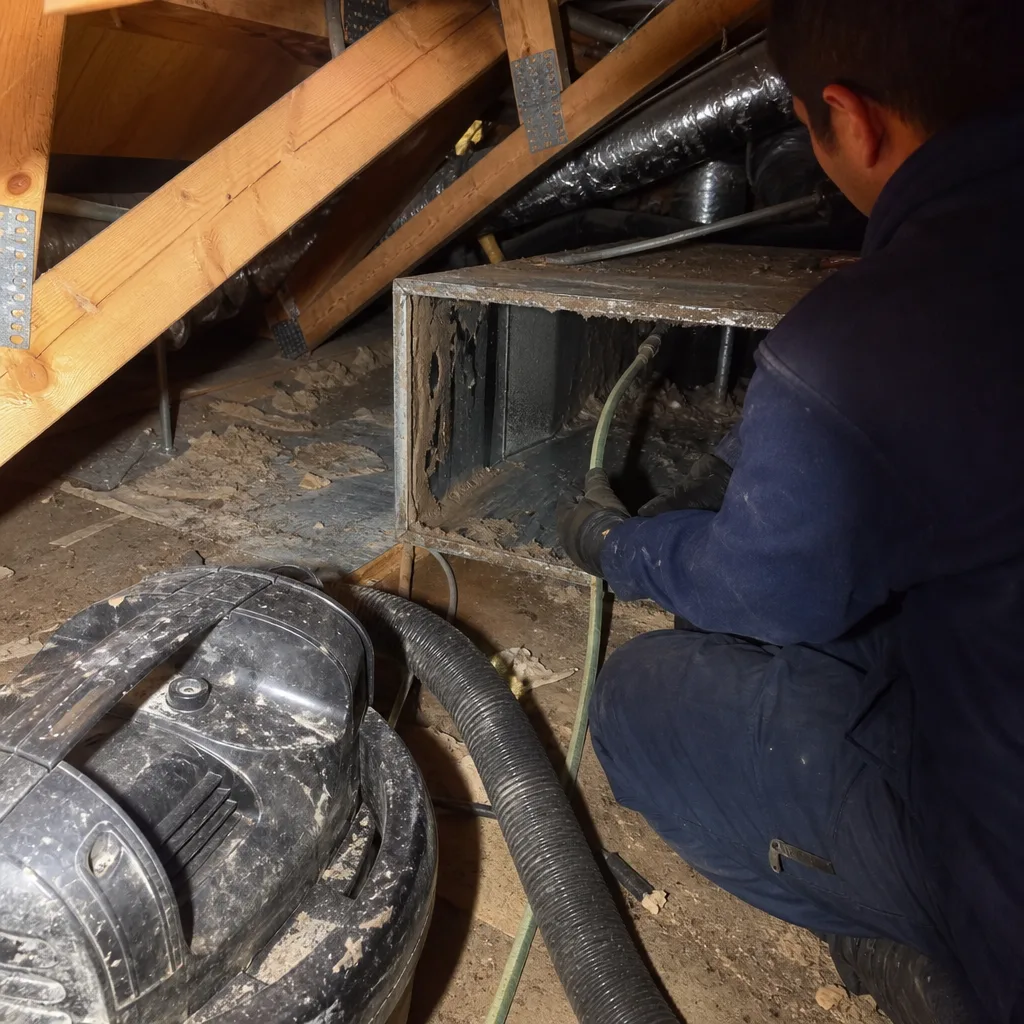 Before
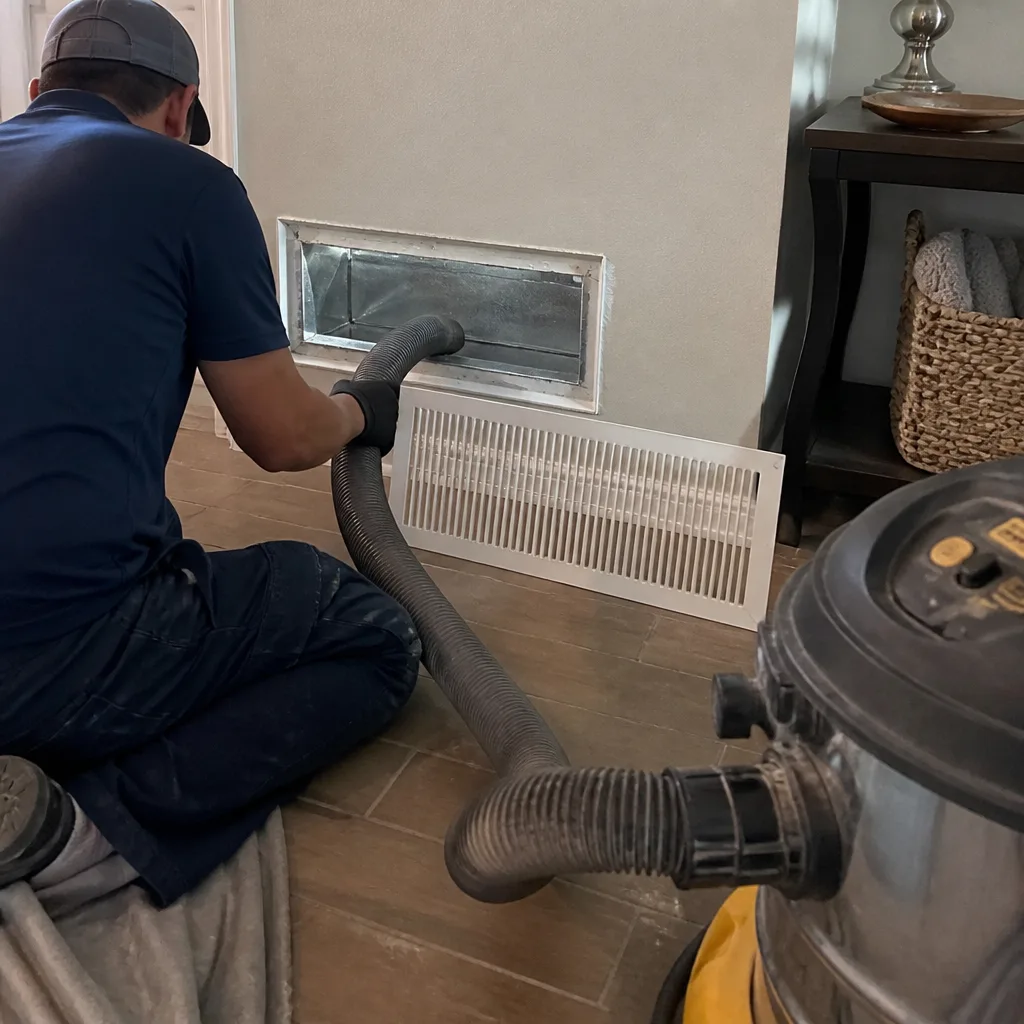 After
After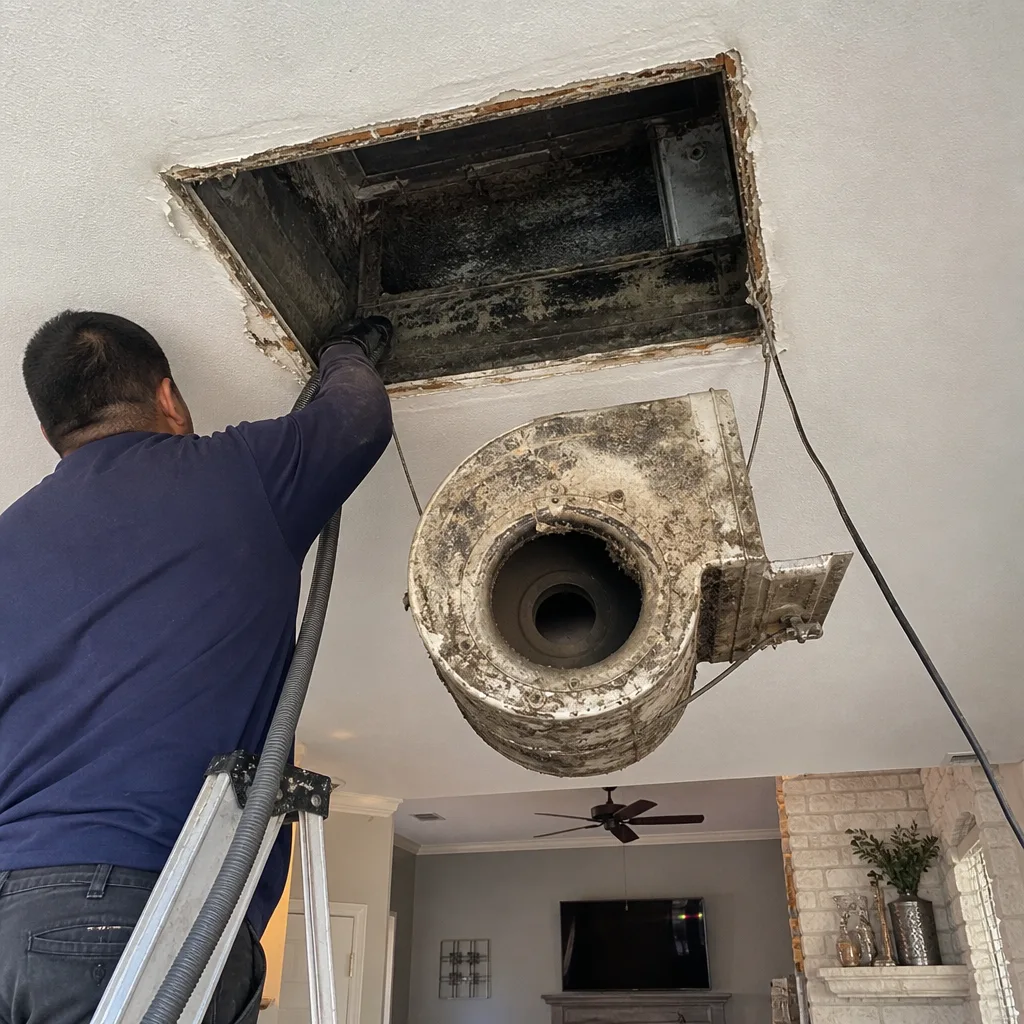 Before
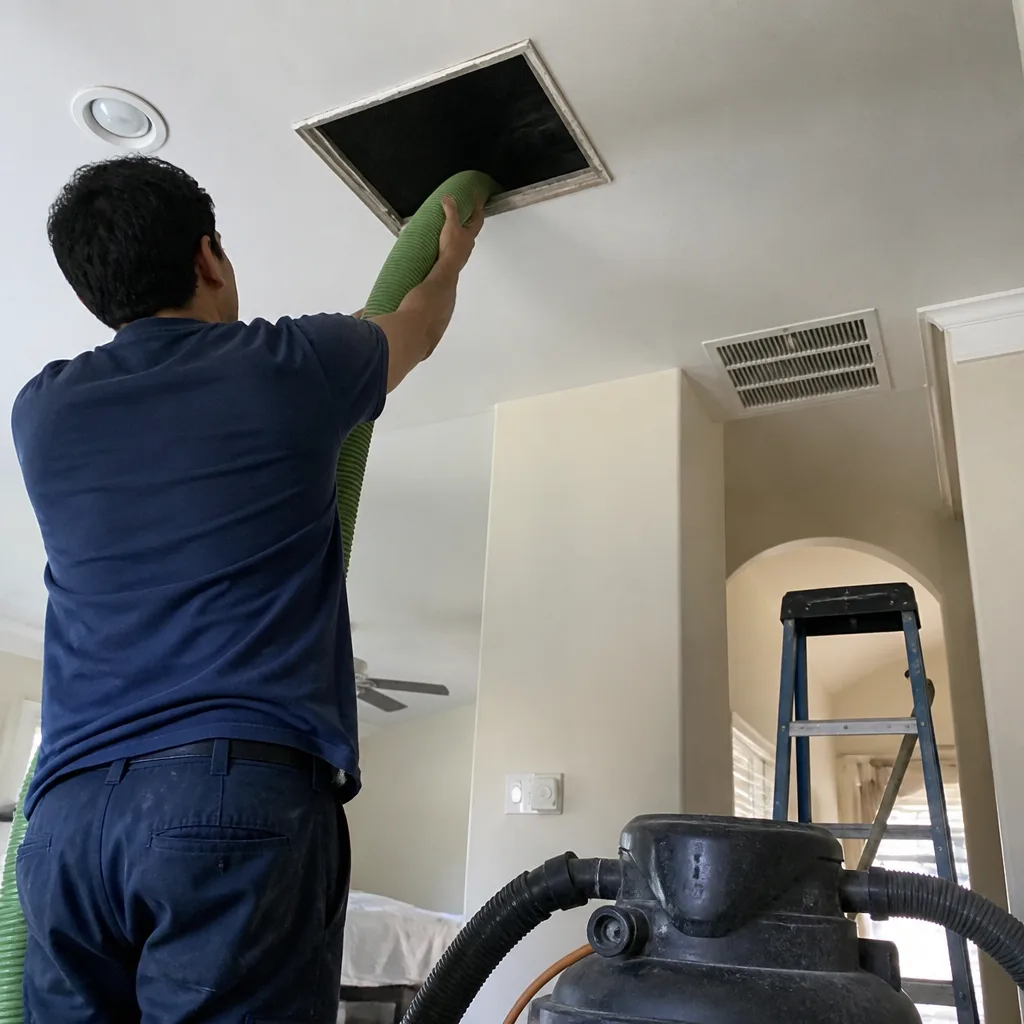 After
AfterDryer Vent Inspection in Leander, TX
A dryer vent inspection in Leander typically costs between $75 and $150 as a standalone service, takes 30 to 45 minutes, and produces a written report with photographs of every section of ductwork before a single Dryer Vent Cleaning Cost recommendation is made. If your dryer is running longer than it used to, or if you can’t remember the last time anyone looked inside that duct run, an inspection tells you exactly what’s there – no guesswork, no upsells based on what you can’t see yourself.
CleanRun Air Duct Cleaning Leander has been doing this work since 2013, and Tomas Reyes built the company on a simple idea: show the customer what’s actually inside their vents before saying anything about what needs to happen next. That’s not a sales tactic. It’s how a documented inspection is supposed to work. If you’d like to schedule one, call us at (737) 252-1285 – a live person picks up every time. For a broader look at what we do, our Dryer Vent Cleaning in Leander page covers the full scope of service.
When You Need a Dryer Vent Inspection
A few situations make a dryer vent inspection the right call before anything else. These aren’t scare scenarios – they’re practical indicators that the duct run deserves a look.
- Your dryer takes two cycles to dry a normal load. This is the most common sign we see in Leander homes. Restricted airflow – caused by lint accumulation, a crushed duct section, or a failed duct joint – forces the dryer to work harder and longer. An inspection locates the restriction before you replace a dryer that doesn’t need replacing.
- You’re moving into a home built between 2000 and 2015 in Leander. Many Leander-area subdivisions – Travisso, Crystal Falls, and Bryson among them – have homes where the dryer vent was routed through a long horizontal duct run to reach an exterior wall. Those longer runs accumulate lint at elbows and are worth verifying before you start using the machine regularly.
- The exterior vent cap is clogged, blocked, or missing its flap. In Leander’s late summer heat, birds and wasps sometimes build inside vent caps that have lost their damper. A blocked cap backs lint up into the duct. An inspection confirms whether that blockage extends back into the run.
- The duct is made of flexible foil or white plastic accordion hose. Both materials are common in older Leander homes and were once standard practice. They’re no longer code-compliant for dryer venting in most configurations because lint catches on the ridges and the material can collapse. If you’re not sure what your vent is made of, the inspection answers that.
- You smell a faint burning or musty odor near the laundry area. A burning smell near the dryer – particularly during the exhaust cycle – warrants immediate inspection. Lint is combustible. This isn’t a situation to monitor over a few weeks.
- It’s been more than 12 months since the last cleaning or inspection. The National Fire Protection Association’s NFPA 211 standard recommends annual inspection of dryer exhaust systems. Most Leander homeowners we work with have never had a formal inspection done – they’ve had the dryer vent vacuumed at a discount price, which is not the same thing.
Our Dryer Vent Inspection Process
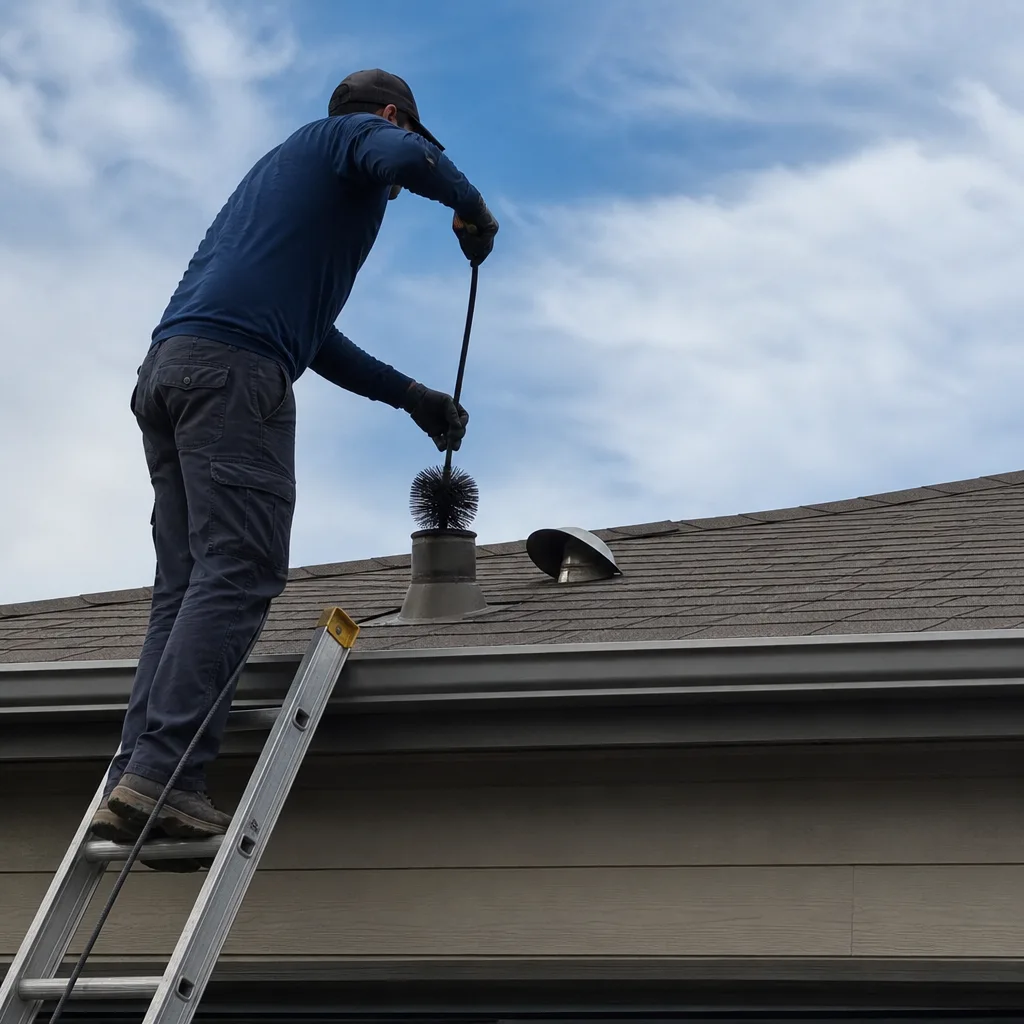
The inspection follows a fixed sequence. There’s a reason for that – skipping steps is how problems get missed. Here’s what happens from the moment the technician arrives.
- Written price delivered before any work begins. Haven Standard Clause 1: the written price for the inspection is given to you before any panel comes off and before any equipment enters the duct. You know exactly what you’re paying before we start. There is no “we’ll see what we find and then give you a number.”
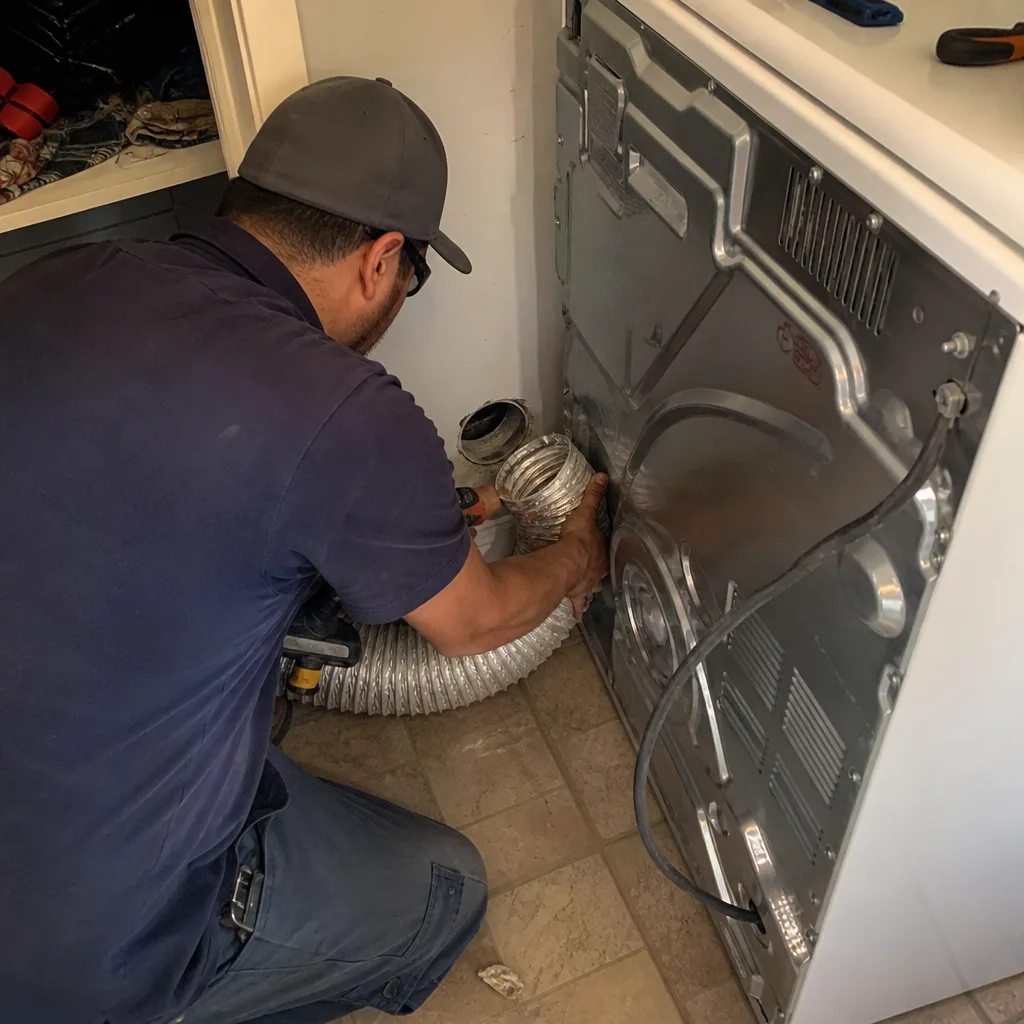
- Exterior termination point assessment. The technician examines the exterior vent cap – its location on the wall or soffit, condition of the flap or damper, presence of nesting material or debris, and whether the duct terminates correctly per current code. In Leander, we regularly find vent caps on the soffits of two-story homes that have been completely sealed by wasp nests or crumpled damper flaps that no longer open under airflow pressure.
- Duct material and routing documentation. Using a Rotobrush inspection camera, we run the camera through the full length of the duct run – from the dryer connection point to the exterior cap – and photograph every elbow, joint, and straight section. The camera shows us the inside diameter, any crushing or kinking, lint accumulation at specific points, and whether any duct sections have separated at their joints. Every photograph is labeled by location in the run and included in the job record you receive at the end of the visit.
- Airflow measurement. We measure airflow velocity at the exhaust point using a calibrated anemometer. The reading is recorded in the written report. For reference, a clear, properly routed 4-inch dryer vent should produce an airflow velocity of at least 400 feet per minute at the termination point. A reading below that threshold tells us the duct run has a restriction – and the camera footage usually shows us exactly where.
- Written inspection report with photographs. The report documents duct material, total run length, number of elbows, airflow reading, observed conditions at each photographed section, and – if applicable – the specific code or manufacturer standard that applies to any deficiency found. If the duct is code-compliant and clean, the report says that. If there’s lint accumulation, a separated joint, or a non-compliant material, the report describes it in plain language with a photograph next to the description.
- Recommendations with written price, no pressure. If the inspection finds conditions that warrant cleaning, repair, or rerouting, you receive a written price for each option before we leave. You can act on it that day, schedule it for another time, or take the written estimate and compare it elsewhere. The 365-Day Done Right Promise applies to any work you authorize – if it’s not right, we make it right, and that’s documented on the job record, not subject to manager approval.
BeforeAfterDryer Vent Inspection Pricing in Leander
Dryer vent inspection in Leander runs $75 to $150 for most single-family homes. The written price is yours before the inspection starts – Haven Standard Clause 1 applies without exception.
| Scope | Typical Range |
|---|---|
| Standard single-story duct run (up to 15 ft, one or two elbows) | $75 – $95 |
| Two-story or longer run (16-25 ft, three or more elbows) | $95 – $125 |
| Complex routing or interior duct access required (roof termination, attic run) | $125 – $150 |
| Inspection bundled with full dryer vent cleaning on same visit | Inspection fee waived |
A few things affect where your job lands in that range. Run length is the primary factor – a duct routed through a Crystal Falls two-story to a second-floor exterior wall is more involved than a ground-floor laundry room with a straight 8-foot run. Number of elbows matters too, because each elbow adds camera access time and is a lint accumulation point that needs to be photographed. Roof terminations – which we see occasionally in older Leander homes near Hero Way West – require additional time and care.
If the inspection reveals conditions that need dryer vent cleaning or repair, we quote that work separately and in writing before anything proceeds. There is no “since we’re already here” pressure. If you have a written estimate from another company, the Free Second Opinion means we put our own written number next to it at no cost.
Call (737) 252-1285 to get your written inspection price – a live person answers, and the number won’t change when the technician arrives.
What the Inspection Documents – and Why That Matters
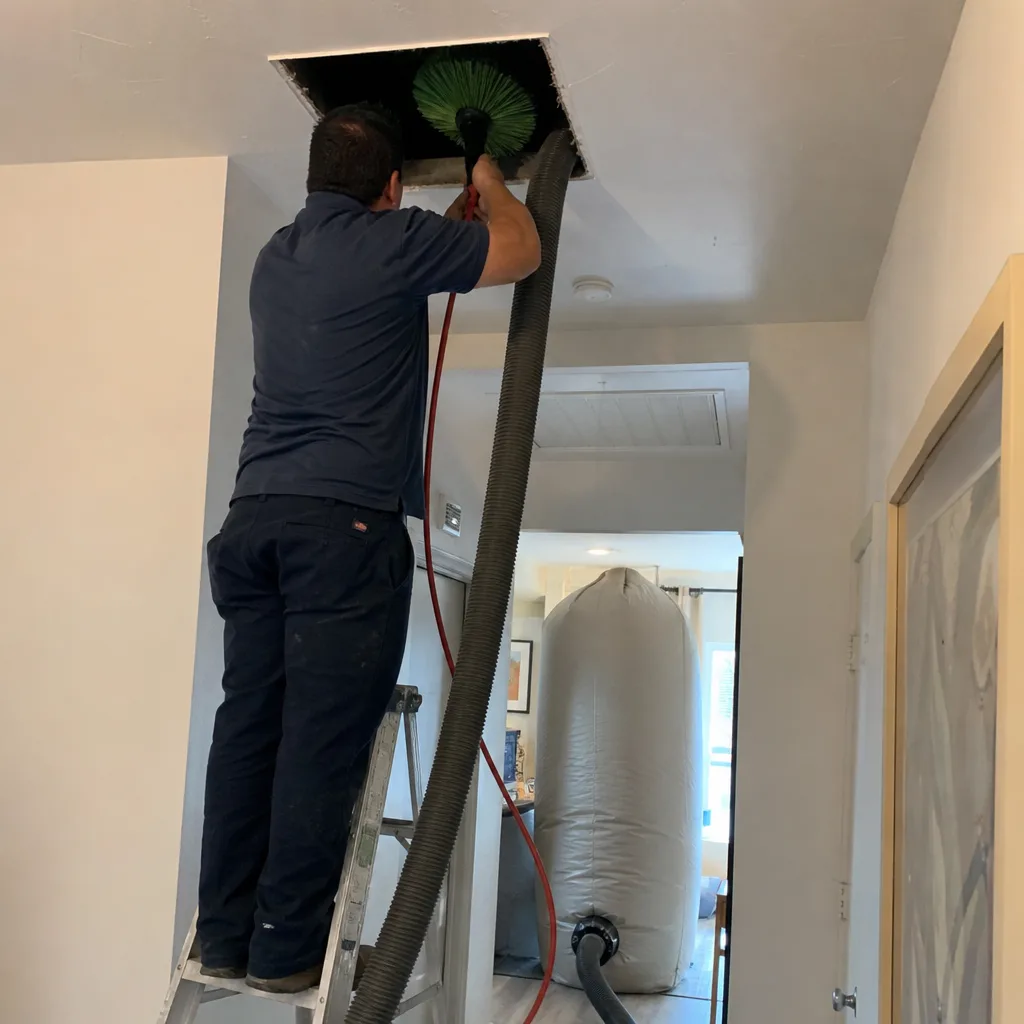
Most companies that offer dryer vent inspections do a visual check at the dryer connection and a hand near the exterior vent cap to feel for airflow. That takes about four minutes and tells you almost nothing about the duct run in between.
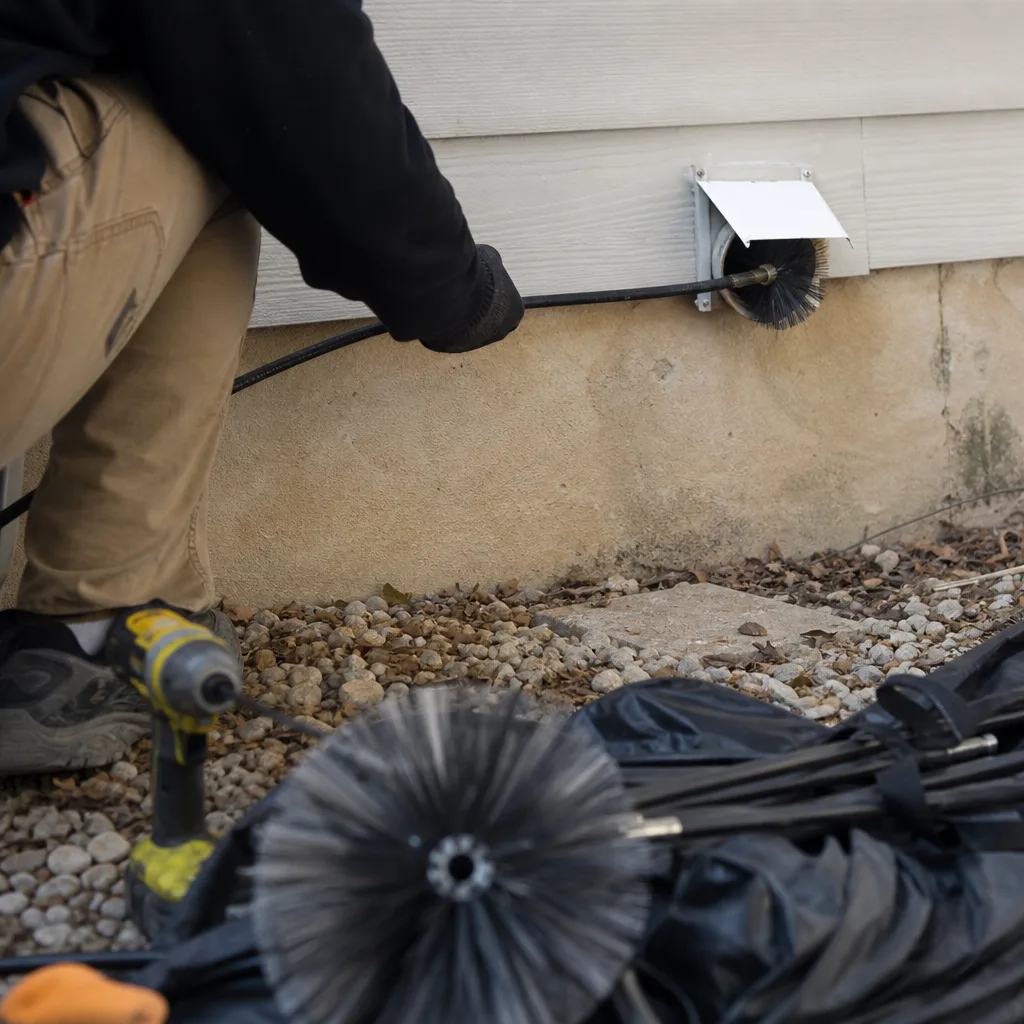
CleanRun’s vent cleaning inspection uses a Rotobrush camera system to photograph the inside of the duct – not just the ends. The reason this matters in Leander specifically is that a large portion of homes in developments like Travisso and Bryson were built with duct runs that travel 20 to 30 feet through interior walls before reaching an exterior termination. The middle of that run – the section nobody sees – is where lint compacts at elbows, where foil flex duct collapses, and where duct joints separate over years of thermal cycling in a Texas climate that swings between 105-degree August days and occasional hard freezes in January.
The photo record you receive isn’t a marketing brochure. It’s a labeled sequence of images from inside your specific duct, taken that day, showing conditions at each photographed section. If you schedule a cleaning 18 months later, the technician has a before-baseline to compare against. That’s the documented record practice CleanRun has held since the first job in 2013 – 52,000-plus homes served under that same standard.
This is also why an inspection is the correct first step when you’re not sure whether your vent needs cleaning or repair. Cleaning a duct with a separated joint in the middle just moves lint into the wall cavity. Repairing a duct that’s actually clean wastes money. The inspection tells you which problem you actually have.
Leander-Specific Conditions We Commonly Find
Leander’s housing stock skews toward construction completed between 2005 and 2022. That window means a lot of homes still have the original dryer duct installed by the production builder – and production builders routinely used flexible foil accordion duct because it’s cheap, fast to install, and easy to route through tight wall cavities. That material has a shorter service life than rigid metal duct, accumulates lint in its ridges, and is prohibited under current IRC Section M1502 requirements for dryer exhaust systems in most configurations.
We also see a specific pattern in Leander homes near the 183A corridor: laundry rooms positioned in the center of the floor plan, which forces a longer duct run to reach an exterior wall. Those runs frequently exceed the maximum equivalent length allowed for a dryer vent under IRC M1502.4, especially once you factor in the friction loss from each elbow. An inspection calculates that equivalent length and tells you whether your current configuration is within allowable limits.
Cedar Park and Round Rock neighbors who’ve had an inspection done have often told us the same thing: they assumed the vent was fine because the dryer was working. The camera showed them a different picture. Leander is no different.
FAQs – Dryer Vent Inspection
How long does a dryer vent inspection take in Leander?
A standard dryer vent inspection in Leander takes 30 to 45 minutes for most single-family homes. Longer duct runs – common in two-story homes in Crystal Falls or Travisso – may take closer to an hour when the full camera run and airflow measurement are included. The written report is completed before the technician leaves, so you’re not waiting for a follow-up email. Call (737) 252-1285 if you want a time estimate for your specific home’s layout.
Is a dryer vent inspection the same as dryer vent cleaning?
No. An inspection documents the condition of the duct – what material it’s made of, where lint has accumulated, whether duct joints have separated, and what the airflow reading is at the exterior termination. Cleaning removes the material found during the inspection. They’re related but separate services. If the inspection finds that your duct is clean and code-compliant, you may not need cleaning at all – and the report will say that. Our full Dryer Vent Cleaning in Leander page explains when cleaning is the right next step.
What does a dryer vent inspection look for?
The inspection documents duct material and condition, run length and equivalent length (factoring in elbow friction loss), lint accumulation at each elbow and straight section, joint integrity, exterior cap condition and damper function, and measured airflow velocity at the termination point. If any of those conditions fall outside IRC M1502 requirements or the dryer manufacturer’s installation specifications, the written report names the specific deficiency and its location in the duct run – not a general statement that “the vent needs attention.”
Do I need a dryer vent inspection if the dryer seems to be working fine?
A dryer that runs slightly longer than it used to is easy to attribute to a bigger load or an aging appliance. A dryer vent that’s 70% restricted still moves enough air to dry clothes – it just takes longer and runs hotter. By the time the dryer is noticeably struggling, the lint accumulation is usually significant. The NFPA recommends annual inspection regardless of how the dryer appears to be performing. In Leander, where many homes have longer interior duct runs, that interval makes practical sense. If the inspection finds nothing of concern, the report says so and you have a documented baseline for the next time.
Key Takeaways
- Dryer vent inspection in Leander costs $75 to $150, written price delivered before work begins, no exceptions.
- The inspection uses a camera inside the duct run – not just a visual check at each end – and produces a photo record you keep.
- Leander homes from the 2005-2022 construction window frequently have flexible foil duct and long interior runs that are worth verifying.
- An inspection tells you whether you need cleaning, repair, or nothing at all – in that order, before any work is quoted.
- Every inspection is backed by the 365-Day Done Right Promise, in writing, delivered with the job record.
- CleanRun has documented this work the same way since 2013, on every job, in every home – 52,000-plus served.
Schedule Your Dryer Vent Inspection in Leander
If you’re ready to find out exactly what’s inside your dryer vent duct – not a best guess, a photo record – call (737) 252-1285. A live person answers every call, and you’ll have a written price before we schedule anything. Tomas Reyes and the CleanRun team serve Leander and the surrounding area with the same documented process on every job. There’s no quote to request – the number is on this page, and so is the promise behind it.
Written by Tomas Reyes, Owner at CleanRun Air Duct Cleaning Leander, serving Leander.