
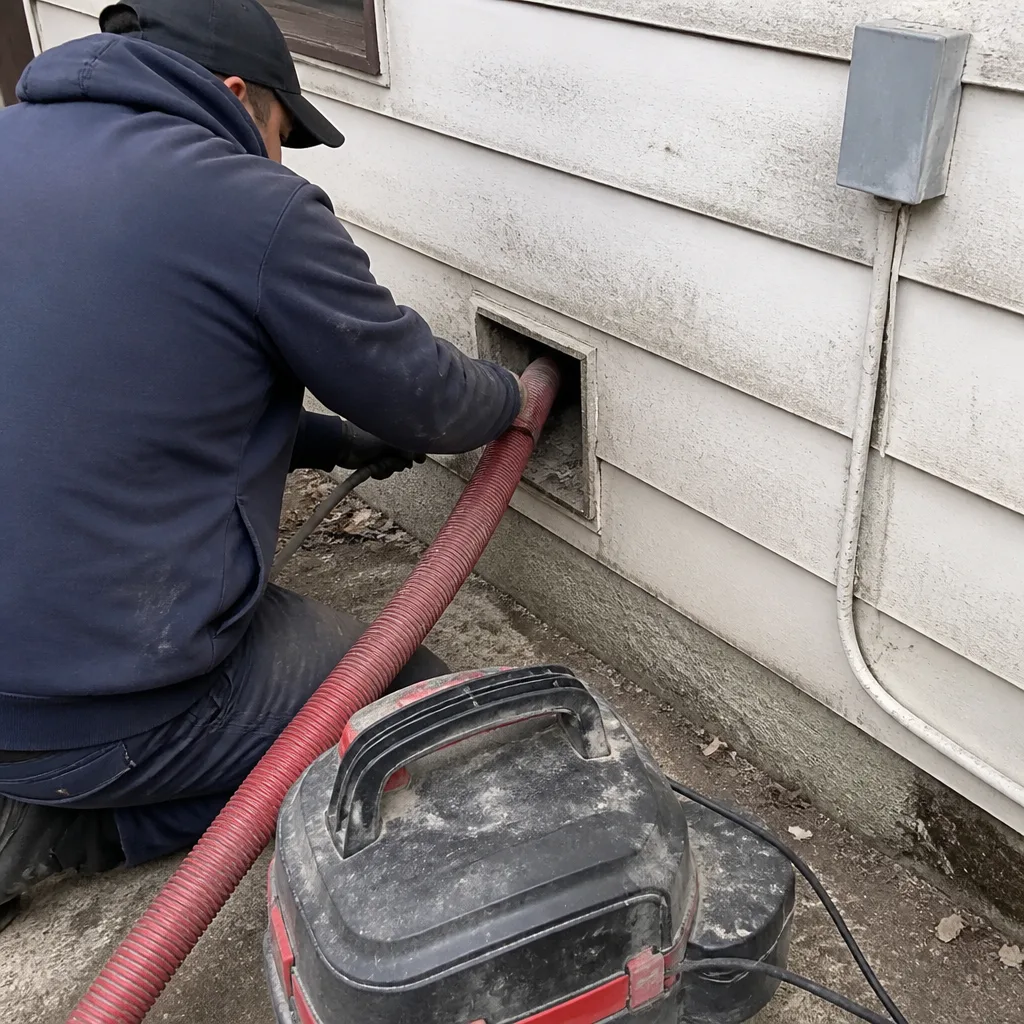
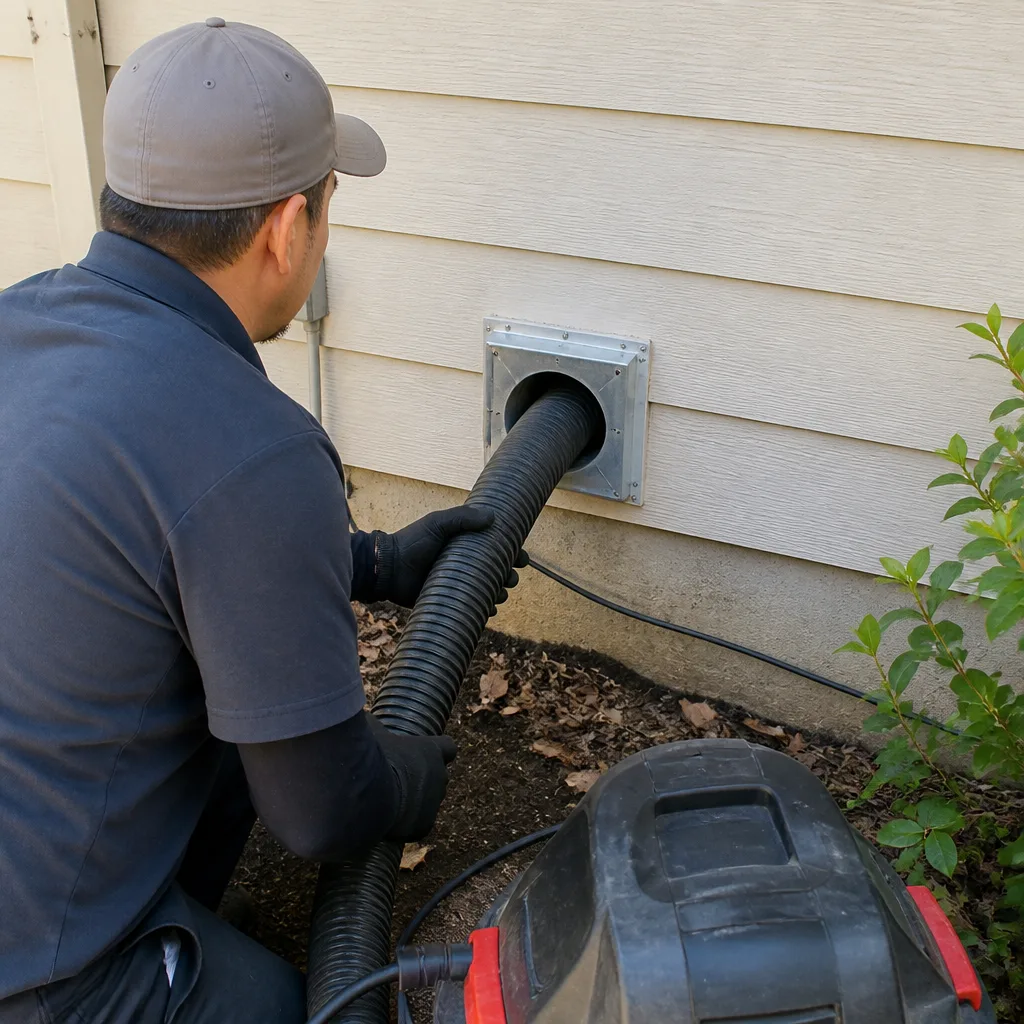
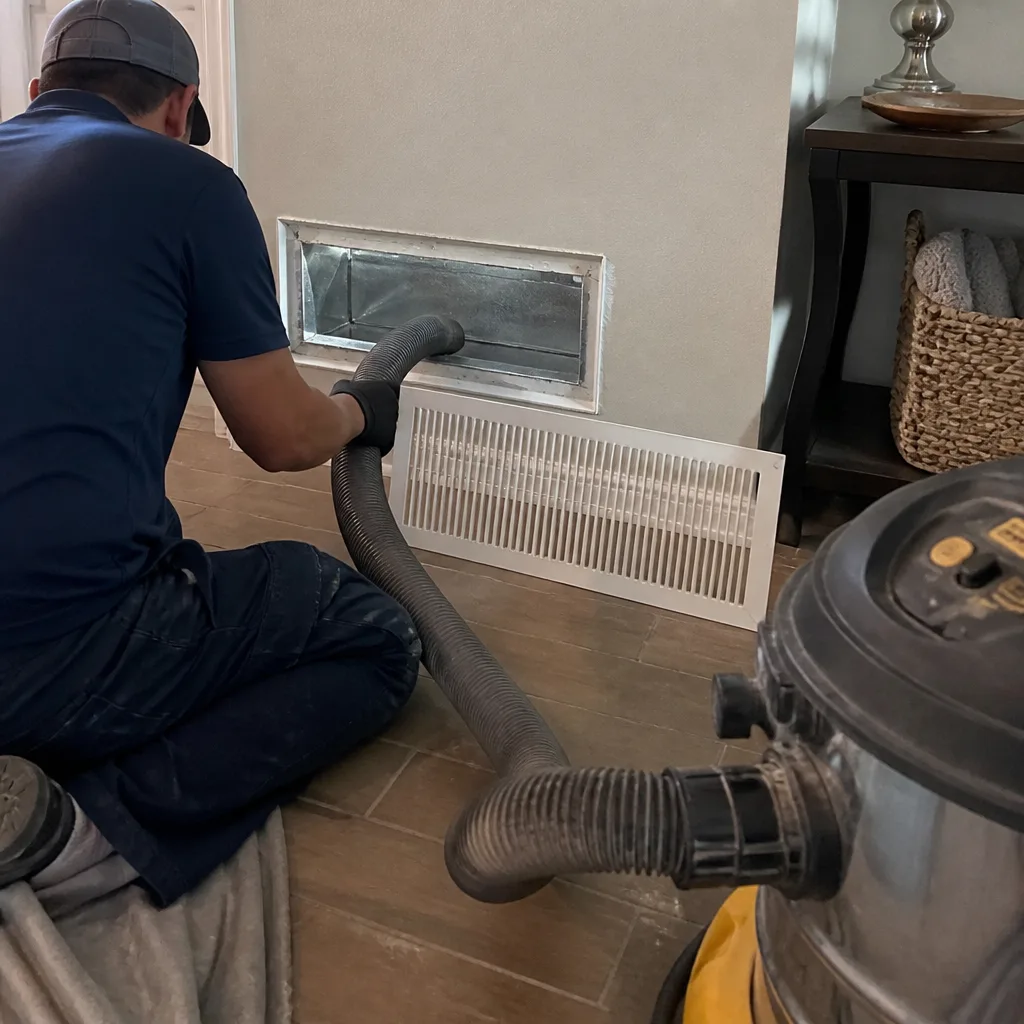
Whole-system duct and dryer vent check with before-and-after photos - you see exactly what came out of your vents
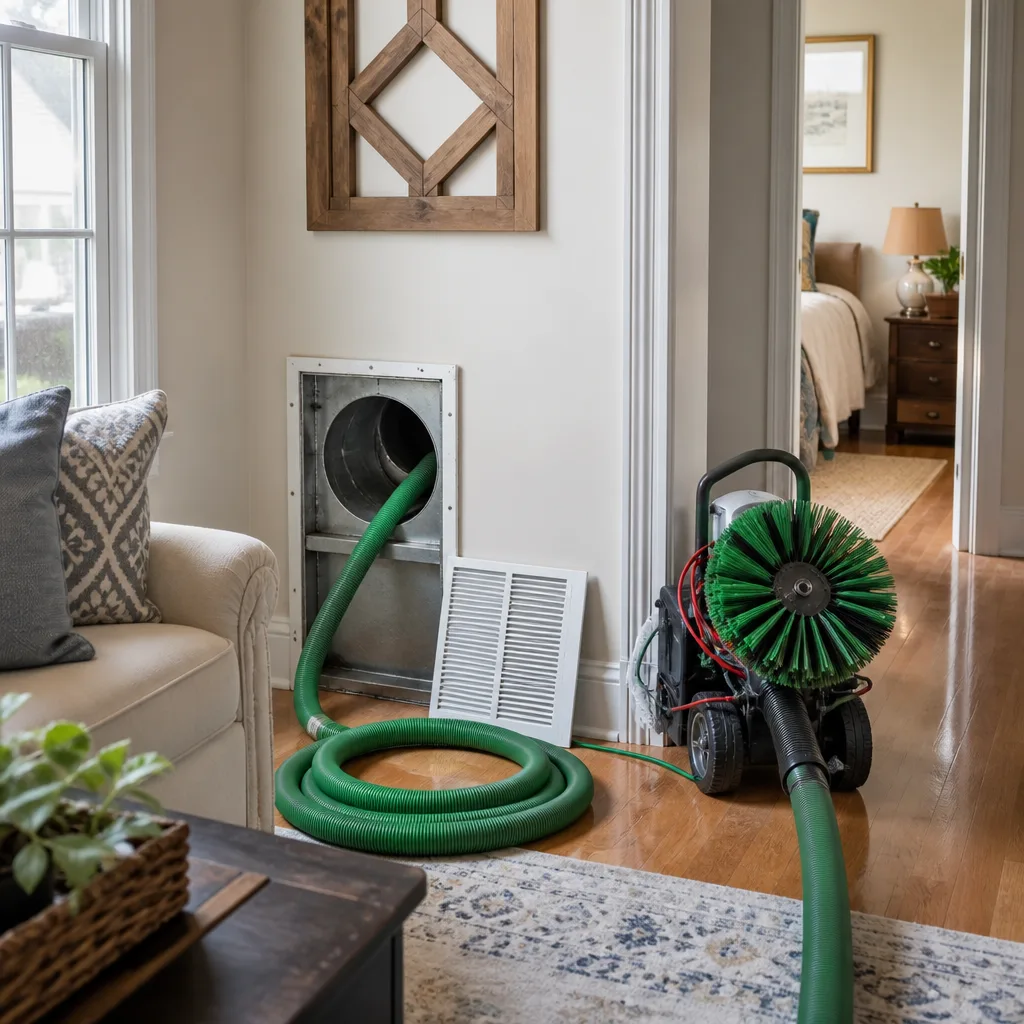
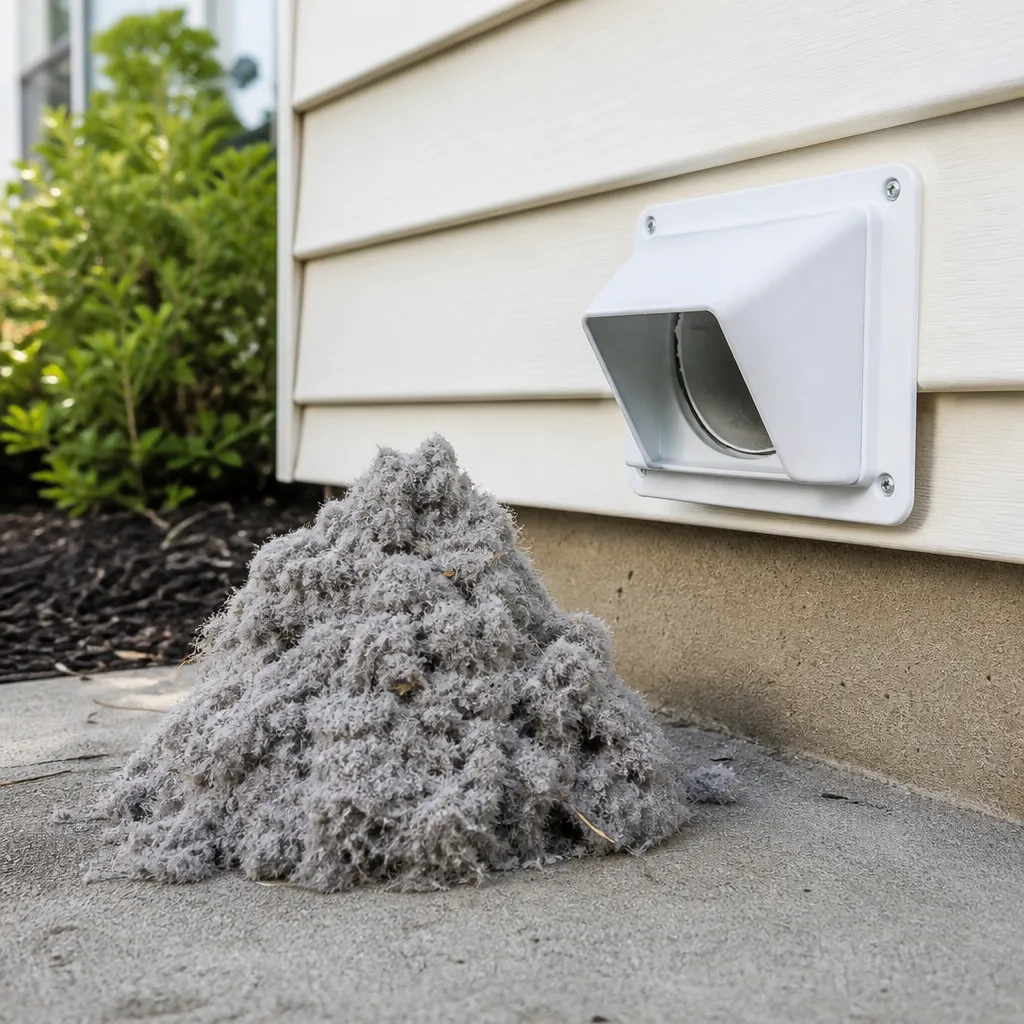
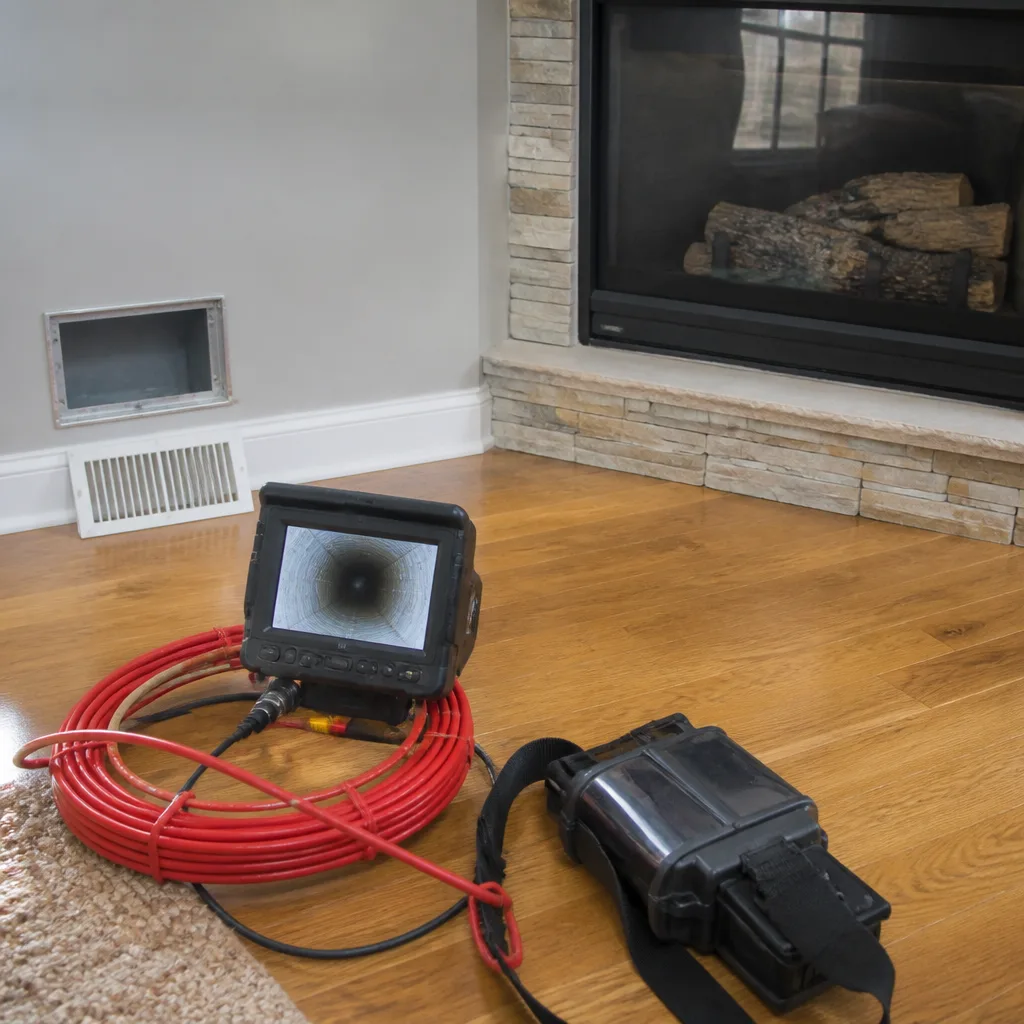
That "$99 whole-house special" is a bait ad - the real number appears once they are in your hallway, or the "clean" is a shop-vac at the register. We photograph the inside of your ducts before and after instead.
 Before
 After
After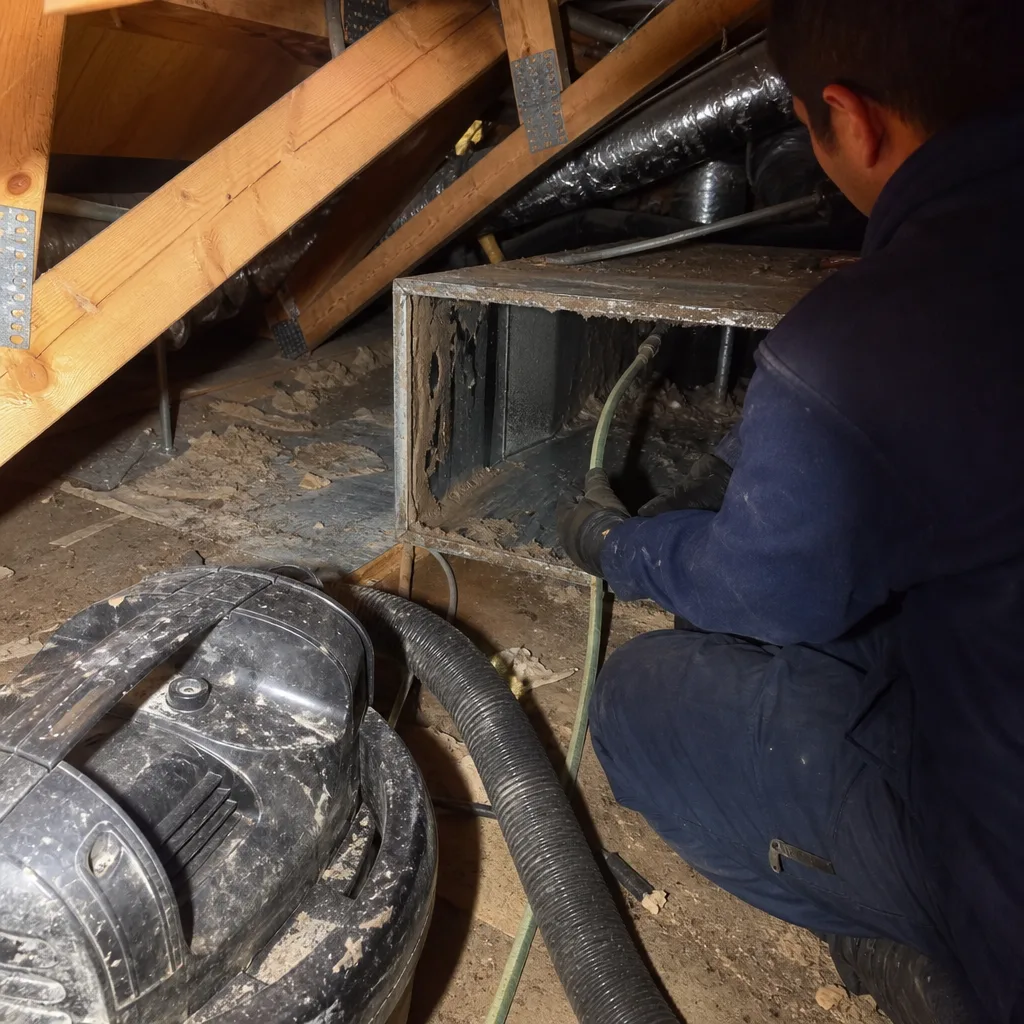 Before
 After
After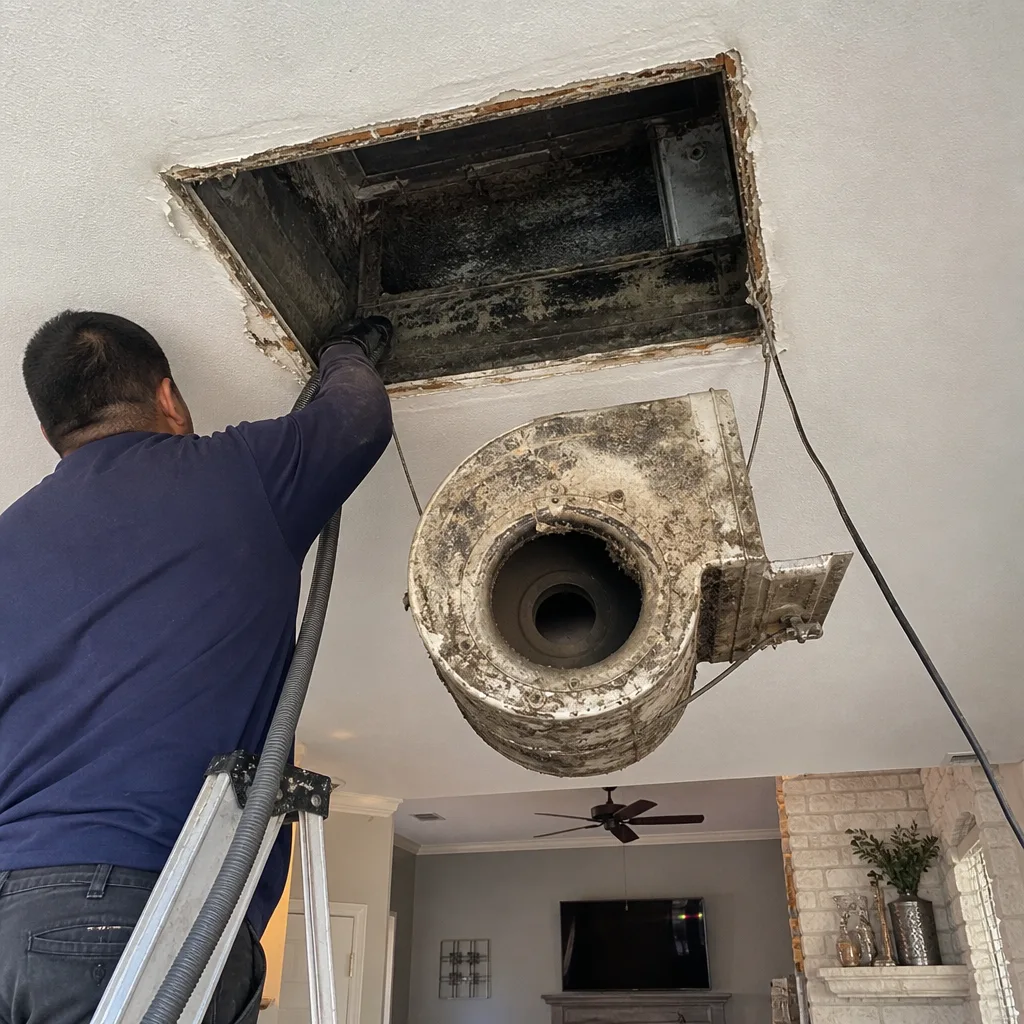 Before
 After
AfterAprilaire Vent Sanitizing: The Leander Owner’s Guide
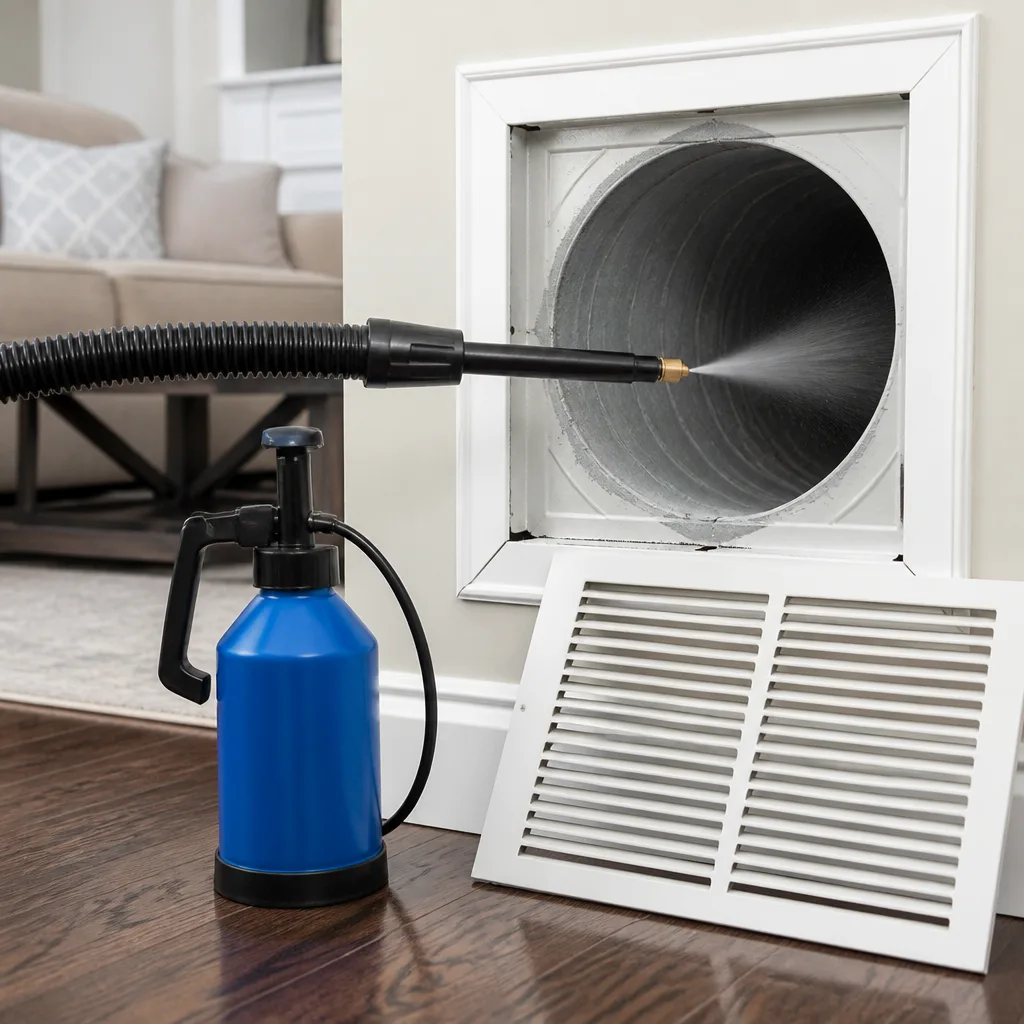
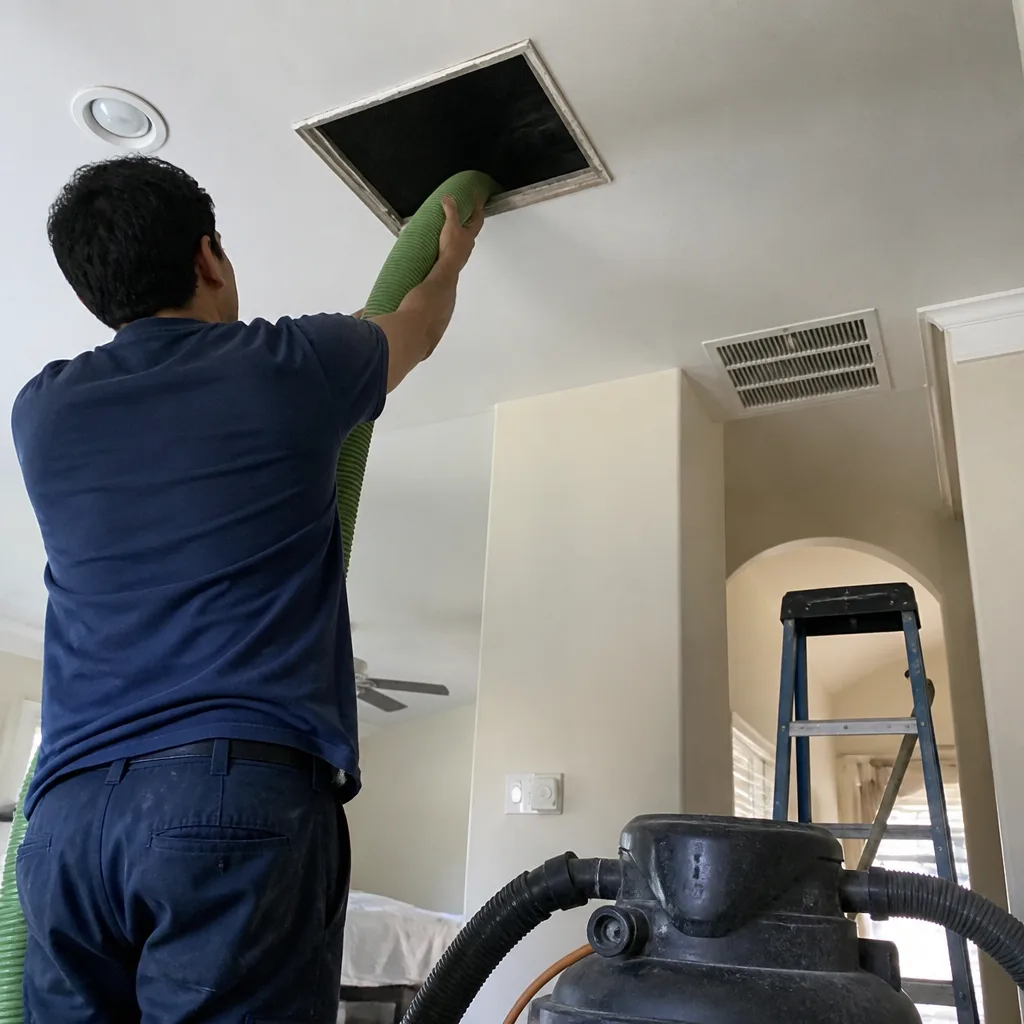
Aprilaire vent sanitizing in Leander typically runs $340-$580 for a whole-system treatment, and we stock the full Aprilaire-compatible product line on our trucks. Most Leander homes built between 2015 and 2022, especially in Crystal Falls and Travisso, have Aprilaire media air cleaners or whole-home ventilators that need periodic sanitizing after pollen season or construction dust settles. We treat the full duct run, not just the unit itself, and we photograph every register before and after.
Most owners figure out something’s wrong when the house smells musty after the AC cycles, or when someone with allergies starts reacting every time the blower kicks on. Sometimes it’s visible mold at a register, more often it’s a persistent sour note in the air that doesn’t go away with a standard filter swap. In Leander, the cedar pollen load in March and April pushes these systems hard, and the newer builds with tighter envelopes trap everything inside.
Which Aprilaire Models This Applies To
Aprilaire makes several product families that connect to your ductwork, and each needs a different sanitizing approach. The 5000 Series electronic air cleaners mount at the return-air plenum (the main collection box where air enters your HVAC system) and have removable collector cells that must be handled separately from the duct run itself. The 8000 Series ventilators bring outside air into the system, and their internal dampers and heat-exchange cores collect pollen and construction debris. The 1000 and 2000 Series media cabinets hold replaceable filters but the cabinet interior and downstream ductwork still need treatment.
To identify your unit, check the label on the access door or the side panel. The model number starts with the series, so 5000, 5010, 8000, 8100, and so on. The width of your cabinet matters too: 16×25, 20×25, or 25×25 are the common sizes in Leander homes. We carry sanitizing solutions rated for all Aprilaire cabinet sizes, plus the adapters needed for narrow plenum spaces found in some of the townhome builds off Hero Way.
OEM Aprilaire sanitizing products exist, but we also use Guardsman and Abatement Technologies formulations that meet the same EPA registration standards for HVAC system application. The OEM label costs more; the active ingredient is often identical. We explain which we’re using and why before we start, under Haven Standard Clause 1: Written Price Before Work Starts.
Signs Your Aprilaire Vent Sanitizing Is Failing
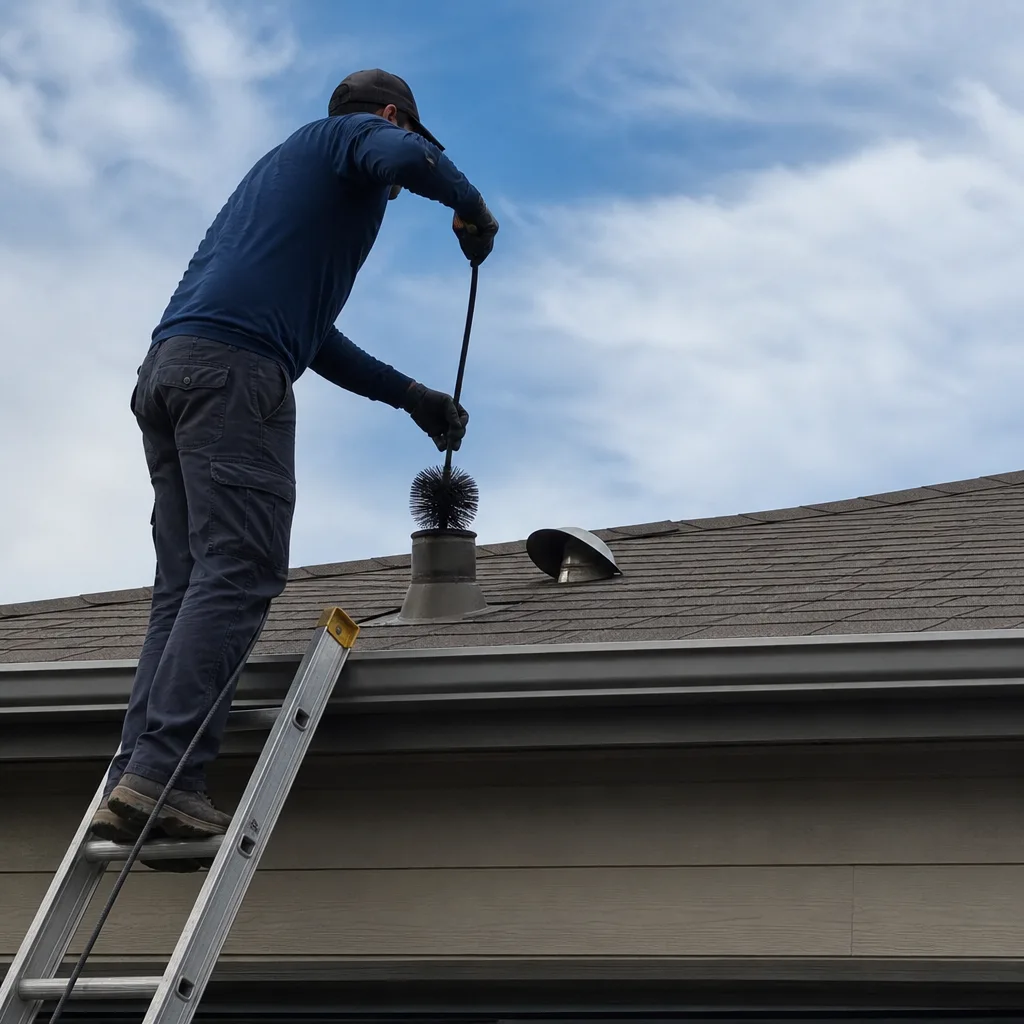
- Persistent musty odor when the blower runs. This usually means microbial growth in the duct run downstream of your Aprilaire unit. The unit itself may be clean, but the dark, humid environment inside galvanized ductwork breeds what the filter doesn’t catch. We see this most often in Leander homes with crawl space returns where summer humidity sits above 60%.
- Allergy symptoms that spike at home but ease outdoors. When your Aprilaire media or electronic cleaner isn’t backed by clean ductwork, you’re recirculating accumulated allergens. The cedar pollen that coats Leander every spring gets past filters over time and embeds in duct lining.
- Visible discoloration around registers or on the Aprilaire access door. Dark spots or gray film indicate that particulate is escaping the filtration stage and depositing at exit points. This means the system pressure is forcing debris past gaps in the cabinet seal or through saturated media.
- Reduced airflow from vents despite new filters. Biofilm buildup inside the duct run narrows the effective diameter of the pipe. Your blower works harder, your bills climb, and the Aprilaire unit can’t move enough volume to treat the air properly.
- The Aprilaire unit’s indicator light shows fault or reduced performance. Electronic models in the 5000 Series have status LEDs that change when airflow drops below spec. Sanitizing the full run, not just wiping the cells, restores the pressure balance the electronics depend on.
BeforeAfterReplacement Cost & What’s Included
| Service | Price Range in Leander |
|---|---|
| Aprilaire-compatible vent sanitizing, single system (up to 10 duct runs) | $340-$480 |
| Whole-home treatment with Aprilaire unit deep-clean (collector cells or media cabinet) | $480-$580 |
| Additional return-air plenum treatment (heavy debris or post-construction) | $120-$180 |
What drives the range: the number of duct runs in your home, whether your Aprilaire unit needs disassembly for internal treatment, and how accessible your plenum is. A single-story ranch in Masonwood with eight runs and a crawl space access is straightforward. A two-story in Crystal Falls with fourteen runs, a sealed attic, and a plenum buried behind a finished wall takes longer. We price by the system, not by the vent, so the number you agree to is the number you pay. Haven Standard Clause 1 requires it in writing before we touch a panel.
Every sanitizing job includes our Documented Photo Record: before and after images of every duct run, delivered as part of your job record. The 365-Day Done Right Promise covers the work. If odor or airflow issues return, we return.
DIY or Call Us?
There’s a safe middle ground here, and then there’s where DIY stops making sense.
What you can check yourself: power down your HVAC at the breaker, open the Aprilaire access door, and inspect the media or collector cells. If the media is gray-black and stiff with debris, it needs replacement, not just cleaning. If you have a 5000 Series, the collector cells can be washed in a sink with mild detergent, but they must dry completely for 24 hours before reinstallation. Running power through damp cells damages the ionizing wires and the power supply.
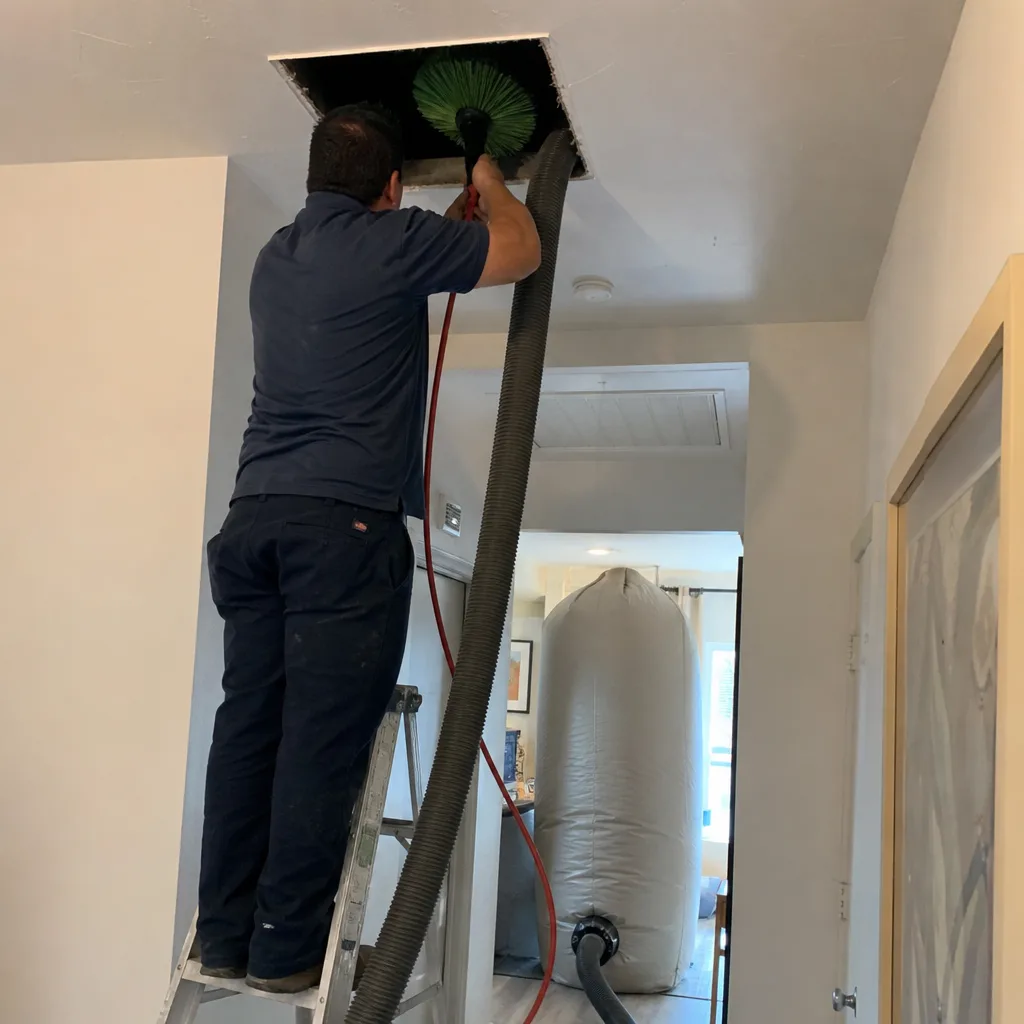
Where DIY goes wrong: anything past the Aprilaire cabinet itself. The duct run is under negative pressure during normal operation, which means gaps and leaks pull attic or crawl space air into the system. Sanitizing only the visible parts leaves the hidden reservoir intact. More critically, applying chemical sanitizers without controlling airflow can push concentrated product into living spaces. We use contained negative-pressure extraction during treatment, which requires equipment that doesn’t fit in a homeowner’s garage.
We’re not affiliated with Aprilaire. We’re an independent service provider that stocks and installs Aprilaire-compatible products because they’re common in the homes we serve. If you want a second opinion on another company’s quote, bring it. We’ll put our number next to it in writing, no charge. Call (737) 252-1285.
FAQs
In Leander’s climate, with cedar pollen peaking March through May and construction dust common in newer neighborhoods, we recommend sanitizing every 18 to 24 months for most homes. Homes with allergy-sensitive occupants or pets may need it annually. The 365-Day Done Right Promise covers you if results don’t hold.
Collector cells in the 5000 Series can be washed and reused, but media filters in the 1000 and 2000 Series are disposable and cannot be cleaned effectively. The ductwork itself cannot be “repaired” from biological growth; it must be physically treated and extracted. Call (737) 252-1285 and we’ll show you what the camera sees before you decide.
Most single-system homes in Leander take three to four hours from arrival to final photo documentation. Larger homes or those with multiple HVAC zones take longer. We don’t schedule by the hour; we finish when every run is treated and photographed.
Yes. We carry Guardsman and Abatement Technologies formulations rated for all Aprilaire cabinet sizes, plus the adapters for tight plenum spaces. If your system has an unusual configuration, we’ll know after the initial inspection and before we quote. No return trips, no delays.
Written by Tomas Reyes, Owner, CleanRun Air Duct Cleaning Leander at CleanRun Air Duct Cleaning Leander, serving Leander and nearby areas.