

Whole-system duct and dryer vent check with before-and-after photos - you see exactly what came out of your vents
That "$99 whole-house special" is a bait ad - the real number appears once they are in your hallway, or the "clean" is a shop-vac at the register. We photograph the inside of your ducts before and after instead.
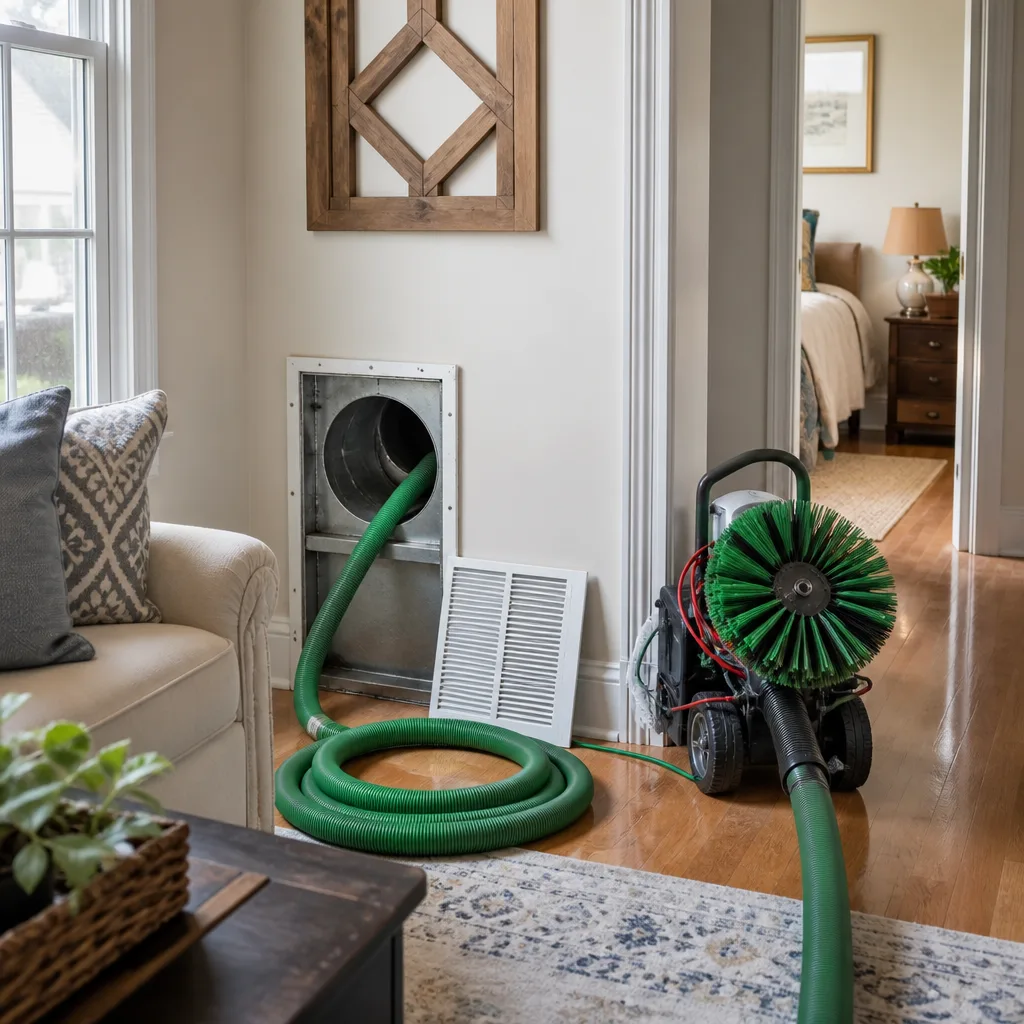
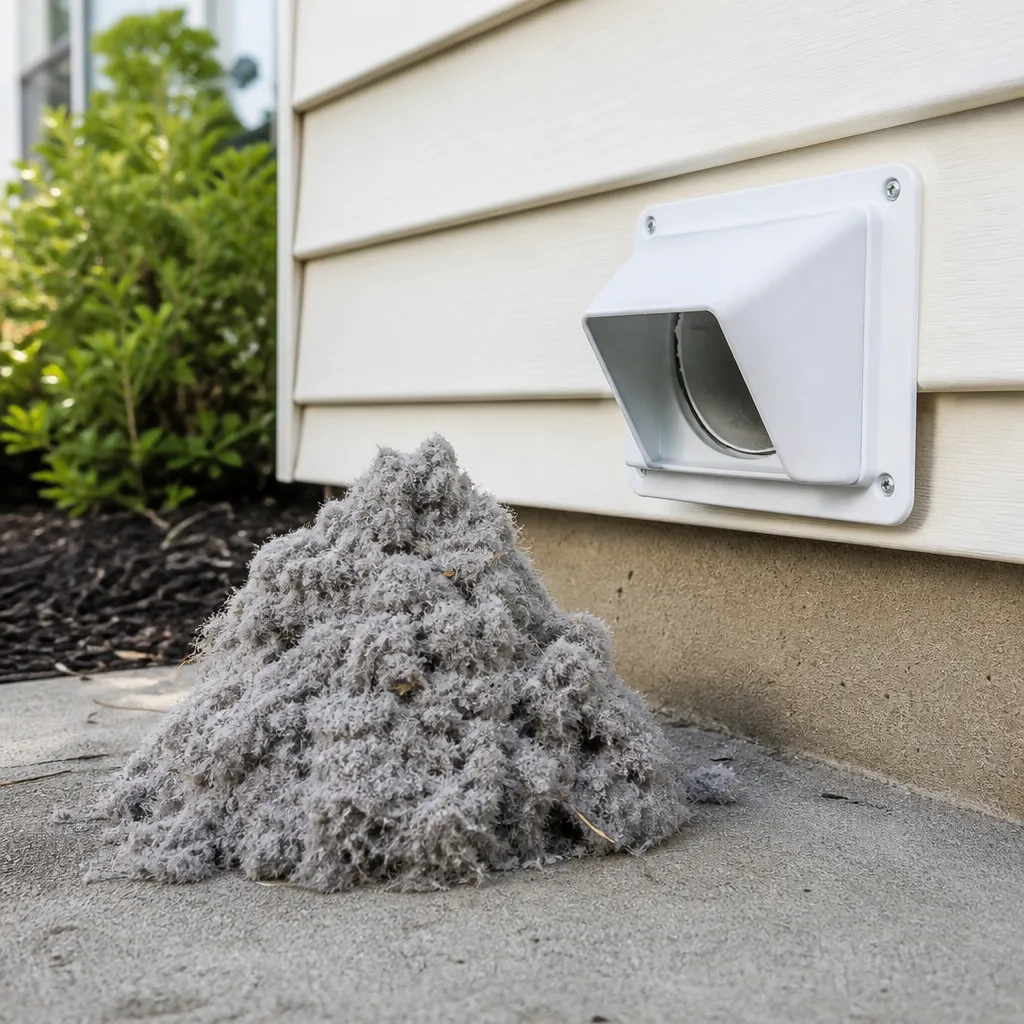
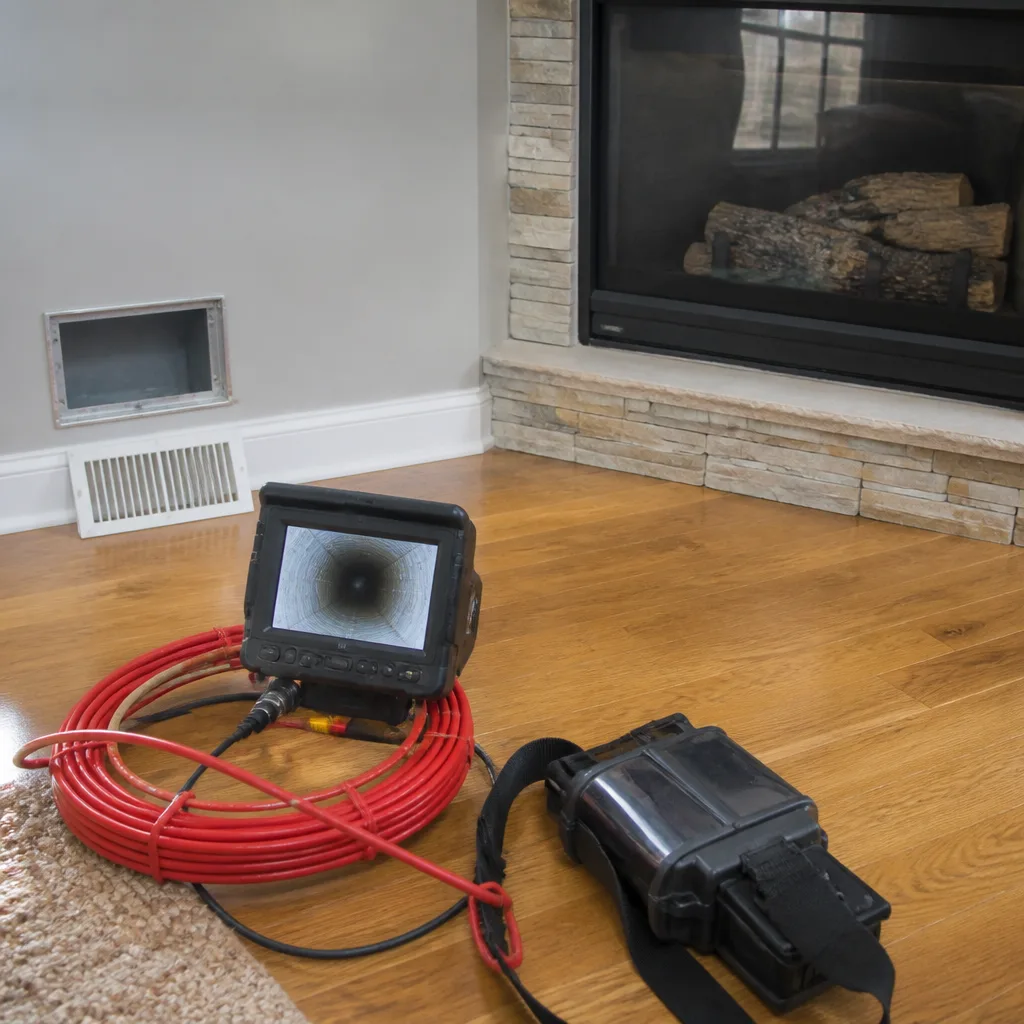
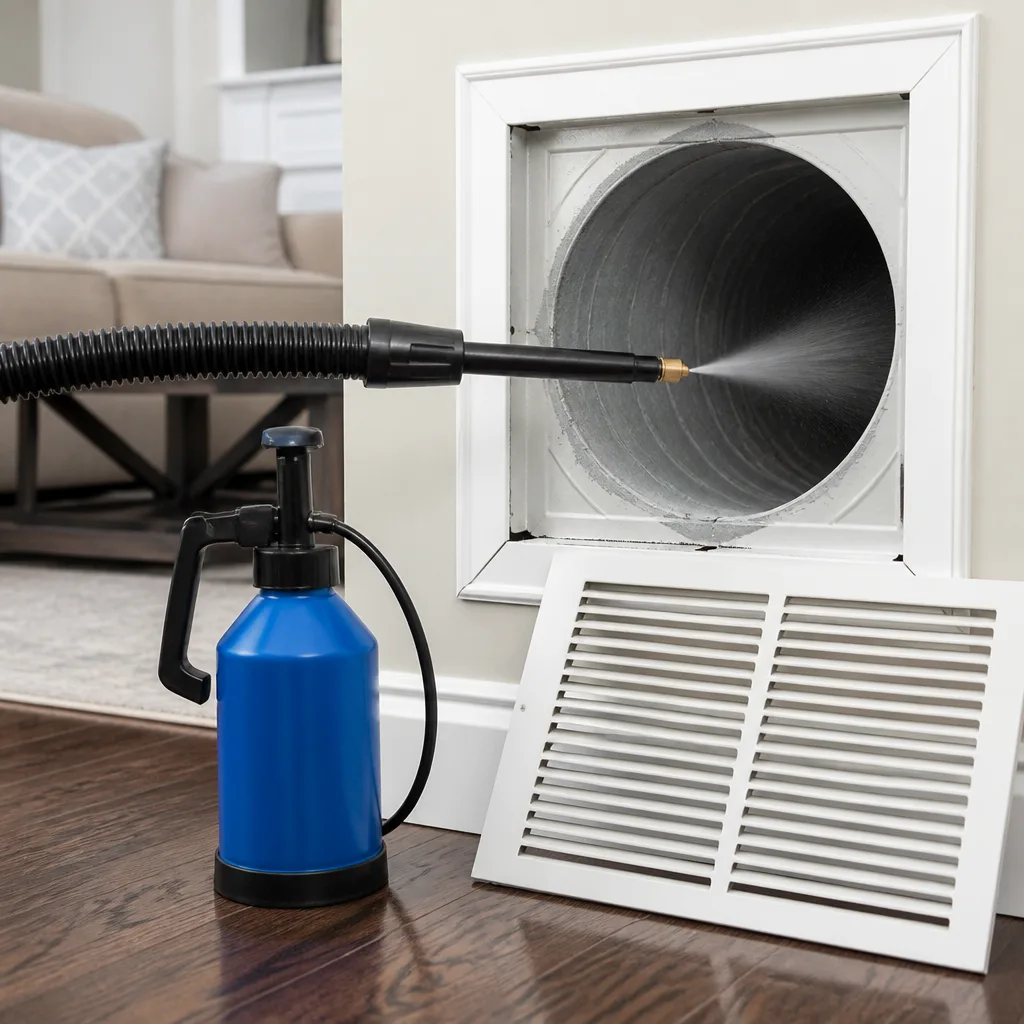
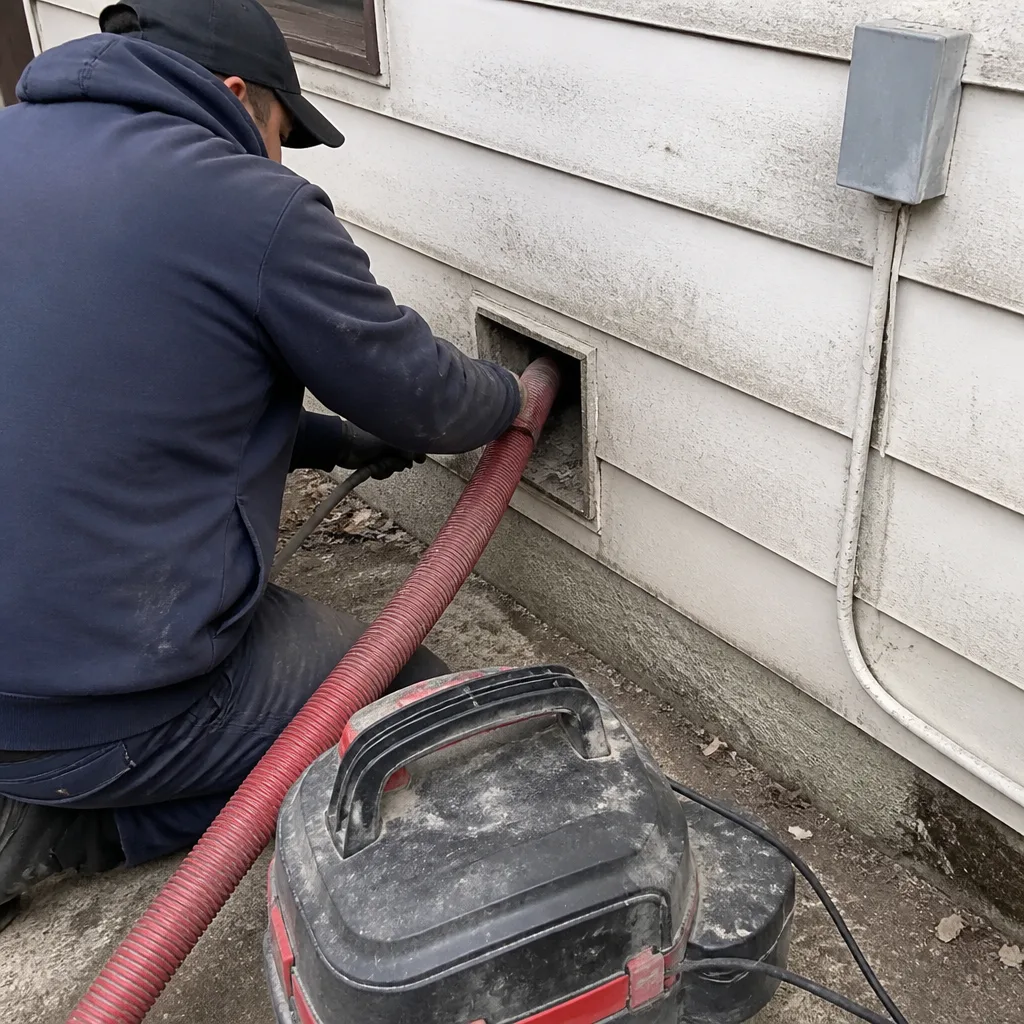 Before
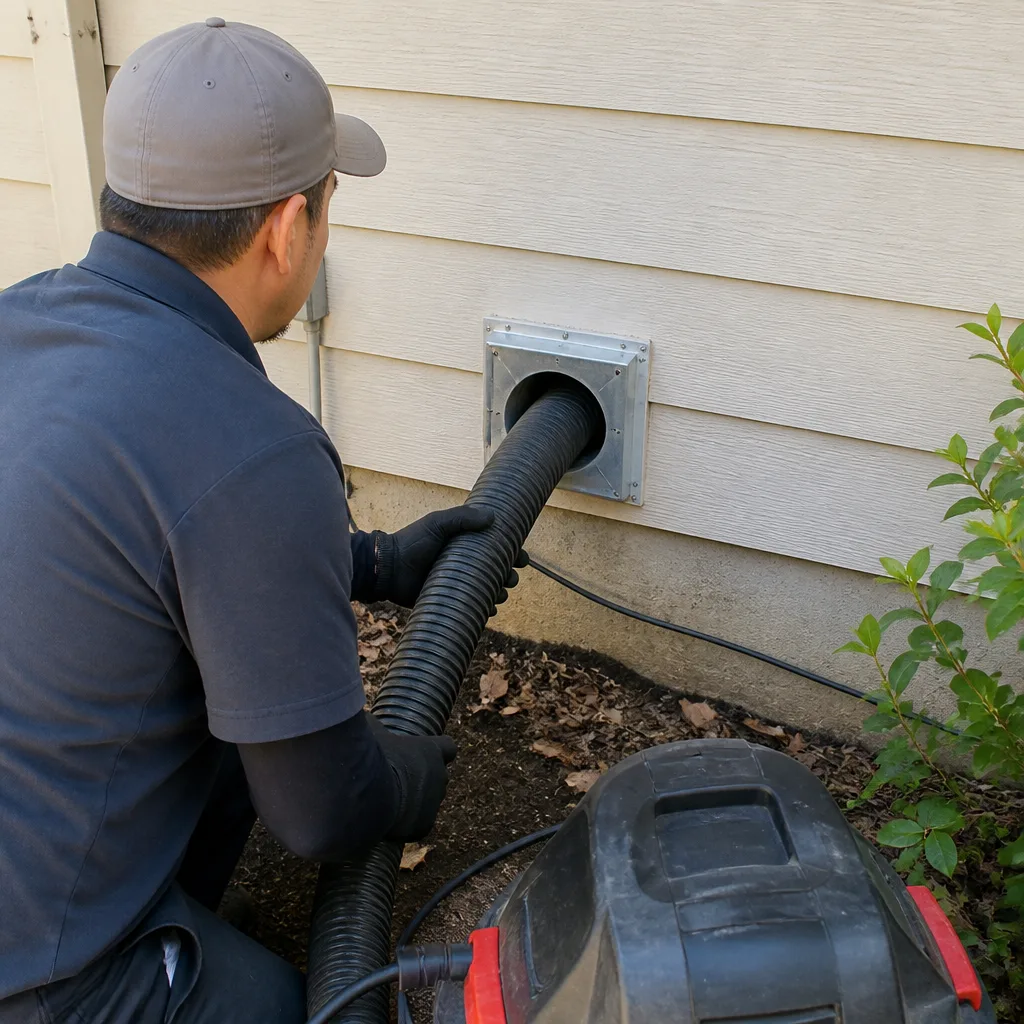 After
After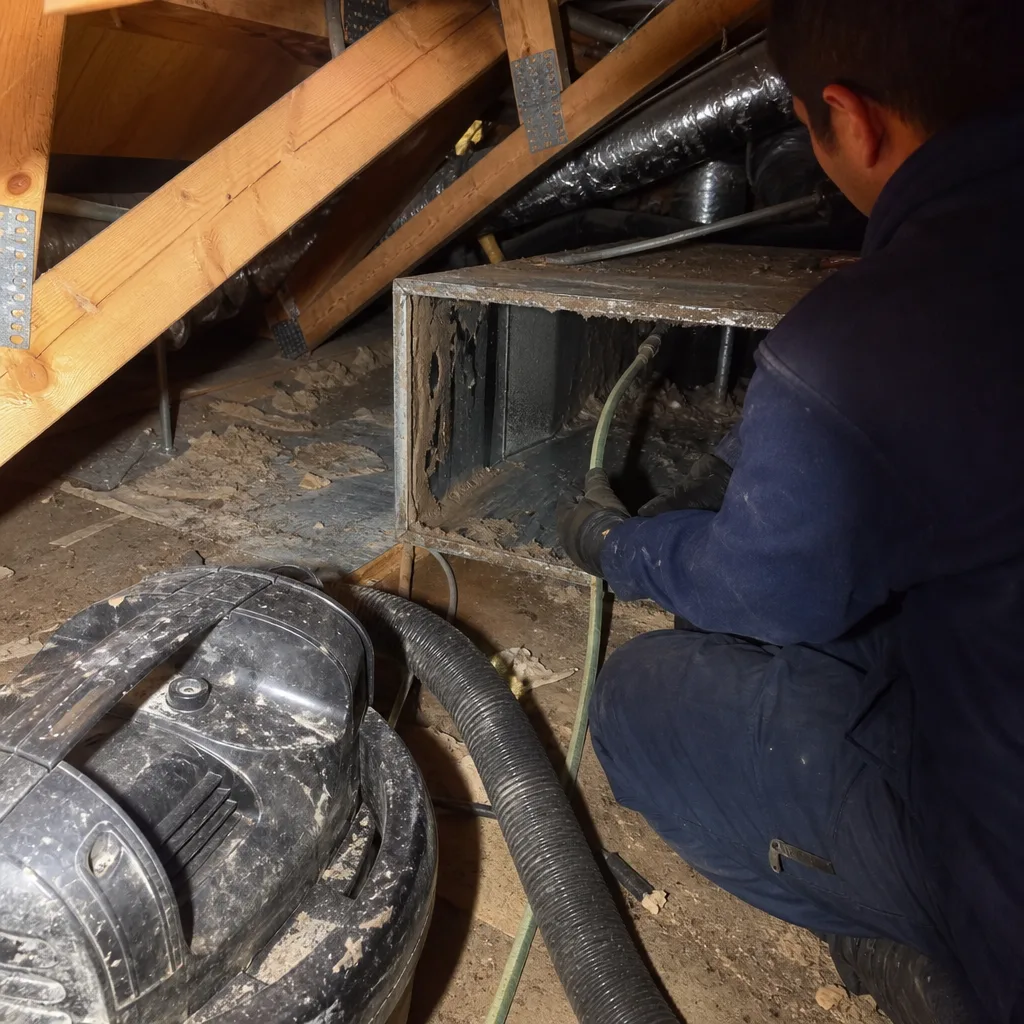 Before
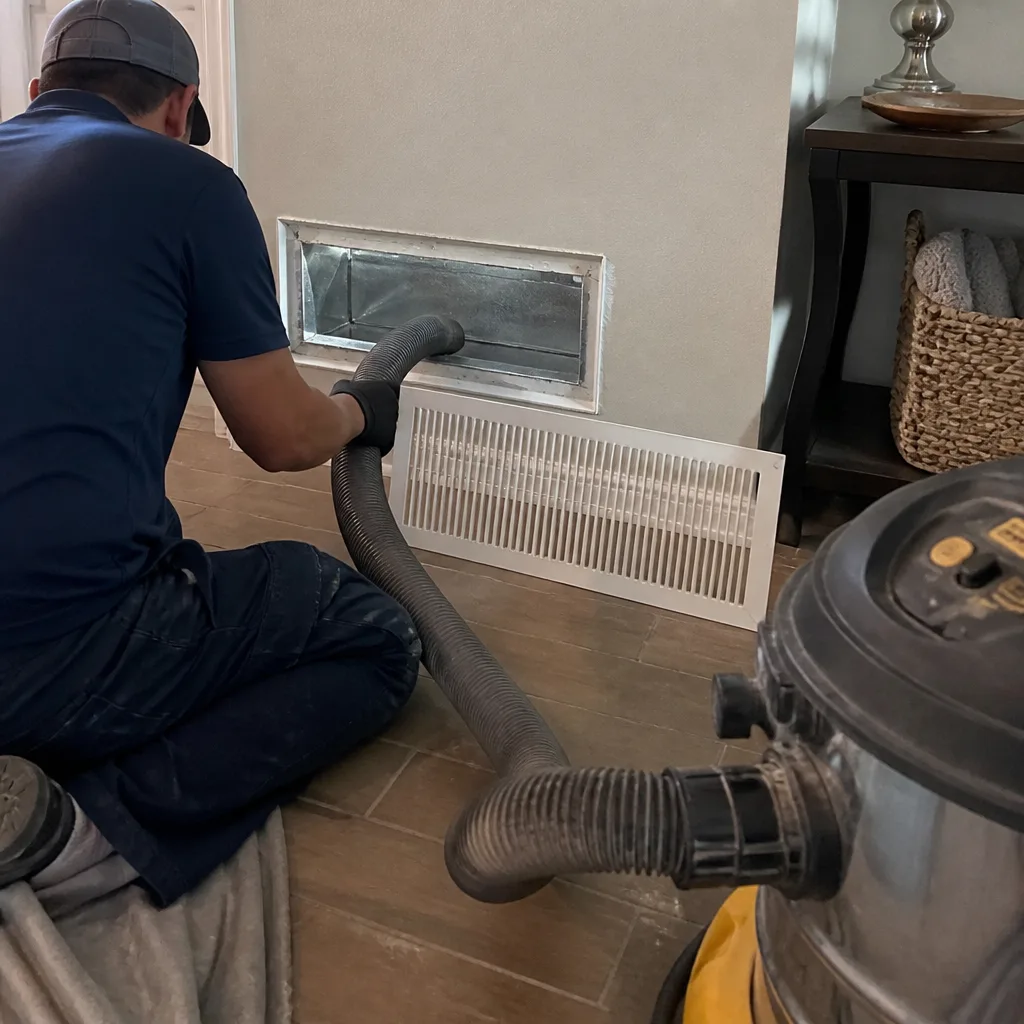 After
After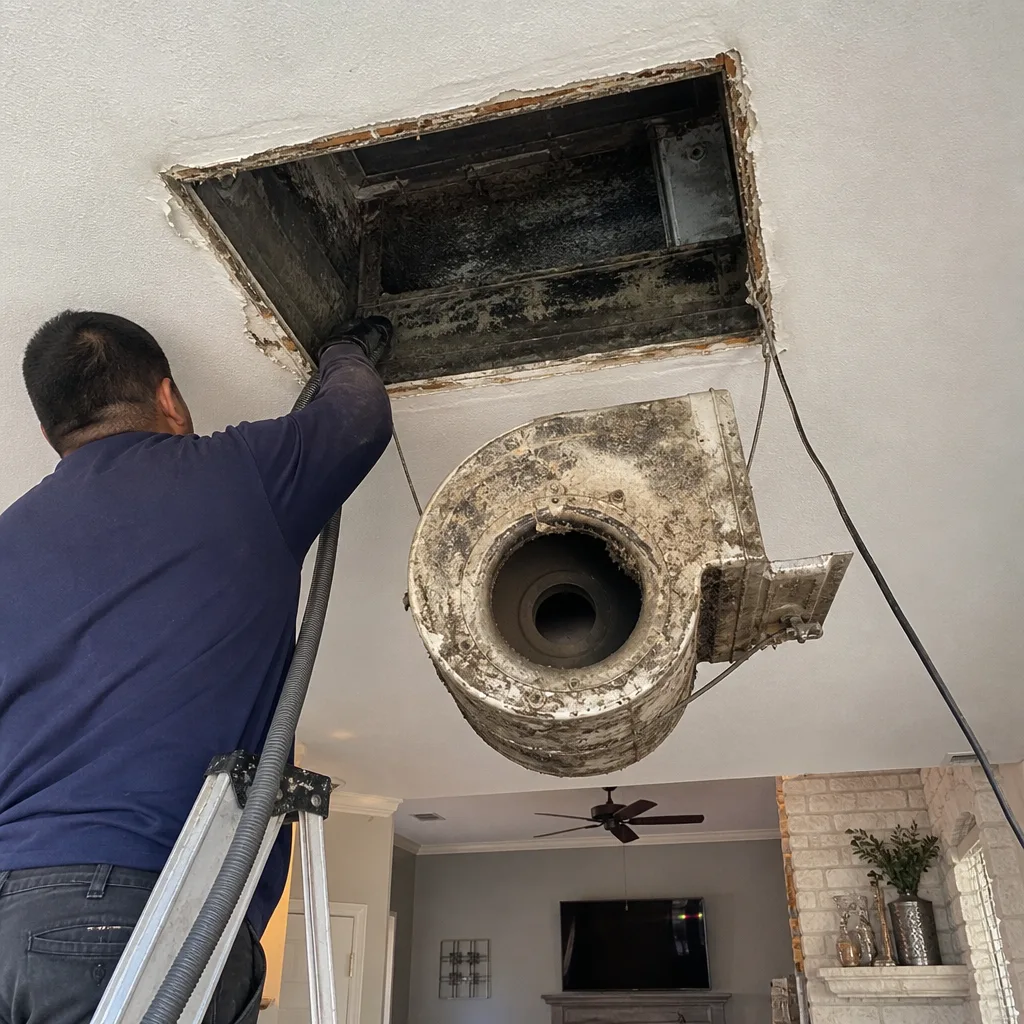 Before
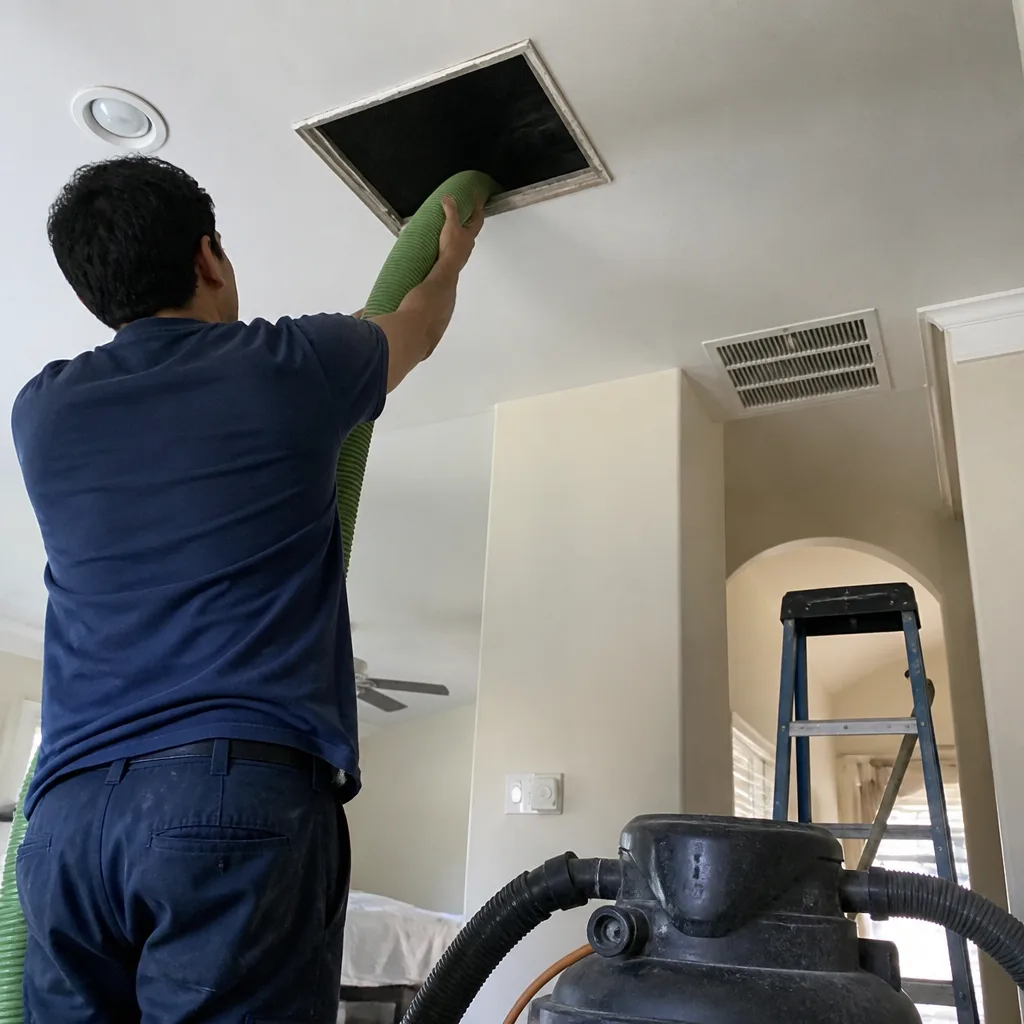 After
AfterHow Much Does Duct Repair & Sealing Cost in Leander?
Our Duct Repair & Sealing services in Leander, TX typically cost between $350 and $1,200 for a standard single-family home, with most jobs landing in the $450-$800 range depending on the number of duct runs, the type of damage found, and whether the plenum (the central distribution box connected to your air handler) needs attention. Homes in Leander’s newer subdivisions – Crystal Falls, Bryson, Travisso – often have longer duct runs because of larger floor plans, which pushes the number toward the middle or upper end of that range. A written price is delivered before any work starts, every time, with no exceptions.
Duct Repair & Sealing Cost Breakdown (2026)
The table below reflects actual pricing in the Leander market as of 2026. These are not national averages pulled from an aggregate study – they reflect what homeowners in Leander and the broader Cedar Park/Liberty Hill corridor are paying for this work right now.
| Service | Typical Price Range | Notes |
|---|---|---|
| Mastic sealant application (per duct run) | $35-$75 per run | Applied at joints and seams; most homes have 8-14 runs |
| Aeroseal duct sealing (whole-system) | $900-$1,600 | Pressurized polymer sealing from inside; requires blower door test |
| Flex duct replacement (per run) | $120-$275 per run | Common in Leander homes built 1998-2012 using R-6 flex |
| Rigid sheet metal duct repair (per section) | $150-$350 per section | Includes collar repair, reconnection, and metal tape sealing |
| Plenum repair or resealing | $200-$500 | Return or supply plenum; attic access affects labor cost |
| Register boot sealing or replacement | $25-$80 per boot | Where duct meets ceiling or floor; often missed by competitors |
| Disconnected duct reconnection | $85-$200 per connection | Common after pest control visits or attic work by other trades |
| Full duct system inspection (camera) | $125-$250 | Every run photographed before and after; included in repair scope at CleanRun |
| Whole-home duct repair package (moderate damage) | $500-$900 | Typical 2,000-2,800 sq ft home in Leander with 10-14 runs |
| Whole-home duct repair package (extensive damage) | $900-$1,800+ | Older systems, significant flex deterioration, or attic access complexity |
What Pushes the Price Up or Down
The single biggest cost variable in Leander is attic access. Most homes in subdivisions like Highlands at Crystal Falls or Bryson have two-story layouts where the air handler sits in a second-floor mechanical closet, meaning technicians work in tight spaces with limited swing room. That adds time, and time is labor. Attic temperatures in a Leander summer regularly hit 140-160°F, which affects not just technician productivity but also how long mastic sealant takes to set properly before being tested under pressure.
The type of duct material matters almost as much as access. Homes built in Leander between roughly 1998 and 2010 tend to have R-6 flexible duct – the silver, accordion-style insulated tubing that runs from the plenum to each register boot. Flex duct is affordable to install new, but it degrades: the inner liner cracks, the insulation compresses, and the foil outer jacket tears at every connection point. When we photograph those runs before starting work, we frequently see 15-30% of conditioned air escaping into the attic before it ever reaches a room. Repairing flex is less expensive than replacing it, but replacement is sometimes the more economical long-term answer when multiple runs are compromised.
Aeroseal is priced differently from manual sealing because it is a different process: a machine pressurizes the duct system and injects aerosolized polymer particles that seek out and bond at leakage points from the inside. It is particularly effective on duct networks where access is limited – runs buried in walls or under second-floor subflooring. The pre- and post-test leakage reports that come with Aeroseal give homeowners a documented before-and-after in numbers, which is exactly the kind of evidence we build every job around.
What Affects Duct Repair & Sealing Pricing in Leander
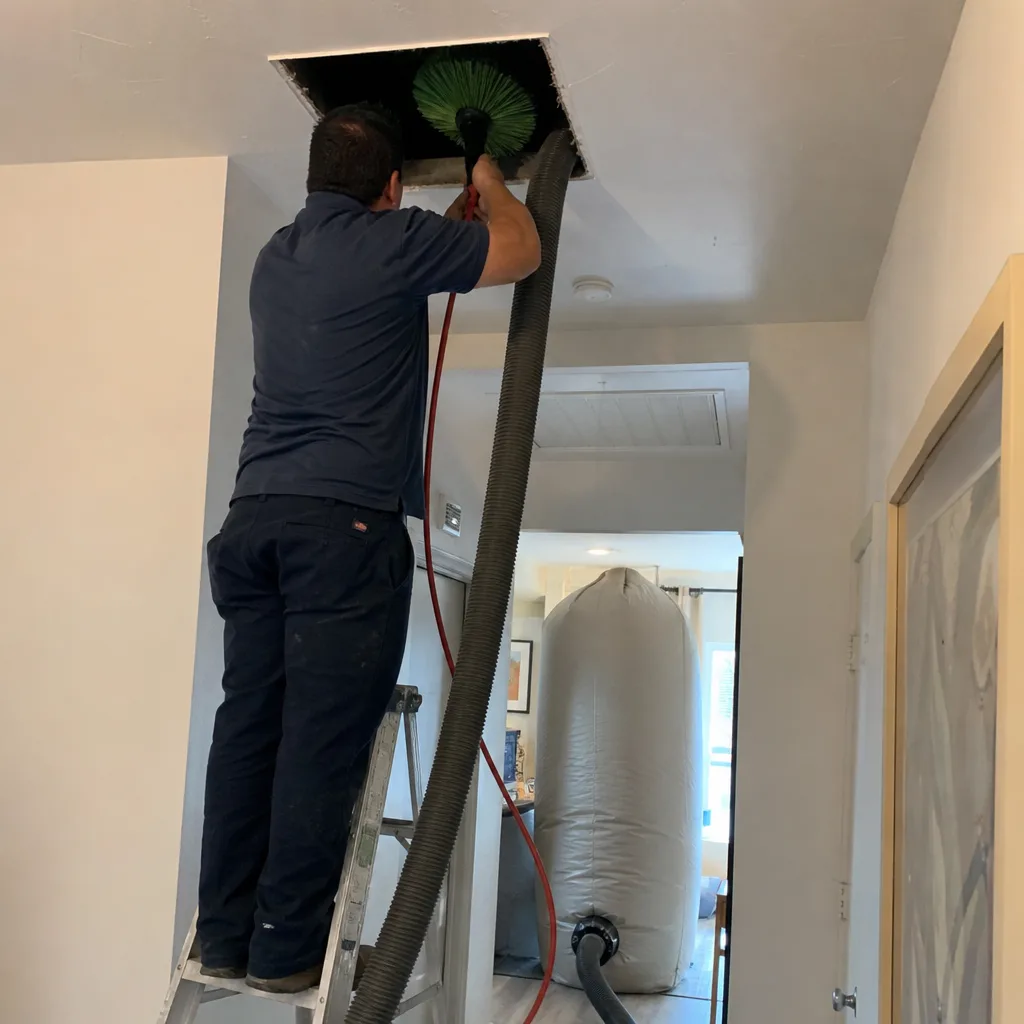
- Number of duct runs: A 1,600 sq ft home in Leander’s older sections near Hero Way typically has 8-10 supply runs. A 3,200 sq ft home in Travisso may have 16-20. More runs mean more linear footage to inspect, photograph, and seal – and more time in the attic.
- Duct material and age: Flex duct installed before 2005 is frequently at or past its useful life span. Older R-4 flex (the thinner, less-insulated version common in late 1990s construction) tears easily and retains heat, making every repair take longer and every leakage point harder to seal cleanly. Newer rigid sheet metal systems cost more to repair per section but hold repairs far longer.
- Attic conditions specific to Leander: Central Texas heat is not gentle to ductwork. Leander sits in a climate zone where attic temperatures exceed 150°F during July and August. That thermal cycling causes mastic sealant to cure faster than ideal and causes unconditioned flex duct connections to expand and contract repeatedly until they separate. Attics with radiant barrier decking run cooler and show less duct degradation – homes without it show more.
- Accessibility of the damage: A disconnected duct boot at a second-floor register that can be reached through a ceiling access panel takes 20 minutes to reconnect and seal. The same disconnection at the far end of a run buried under blown-in insulation on the attic floor can take 90 minutes. Pricing reflects actual time, photographed before and after – not a flat number that penalizes easy jobs or subsidizes hard ones.
- Whether cleaning is needed first: Duct sealing applied over a run clogged with debris, rodent droppings, or construction dust will not hold as effectively at joint surfaces. Our Duct Repair & Sealing in Leander scope typically begins with a camera pass down every run, and when significant contamination is found before a seal is attempted, that finding is documented in writing and photographed before any recommendation is made. If cleaning is needed, that is a separate line item with its own written price – not bundled silently into the repair number.
- Permit requirements: Leander falls under the jurisdiction of the City of Leander Building Department and Williamson County for unincorporated areas. Duct repair that involves modification of the HVAC system’s supply or return capacity may require a mechanical permit depending on scope. We evaluate permit need on every job and include that assessment in the written price – homeowners are never left to figure out permit requirements on their own.
BeforeAfterWhy Leander Ducts Fail Faster Than You’d Expect
This is something we see specifically in Leander and the surrounding Williamson County market, and it is worth naming directly. The growth pace of this area has been aggressive – Leander added roughly 50,000 residents in the decade between 2010 and 2020, and construction crews were operating under pressure. Fast builds in high-demand subdivisions sometimes mean ductwork is installed by subcontractors who are moving quickly, with mastic applied thin or foil tape used where mastic was specified. Foil tape fails at joints under thermal cycling. Mastic applied thin does not seal the way mastic applied at full thickness does.
We have photographed duct connections in homes in Bryson and Crystal Falls – some of them less than six years old – where 20% or more of supply air was measurably escaping before reaching the living space. That is not a maintenance failure; it is an installation gap. And it shows up on energy bills first. A household that moved into a new Leander home and watched summer electric bills sit $80-$120 higher than the builder’s estimate often has a duct leakage problem, not a thermostat problem.
In older Leander neighborhoods near South Bagdad Road or the areas annexed in the mid-2000s, the problem is age-related. R-6 flex duct has a practical service life of 15-25 years under ideal conditions. In a Texas attic, ideal conditions do not exist. Fifteen-year-old flex in a Leander attic frequently looks, on camera, like twenty-five-year-old flex anywhere else.
How to Save on Duct Repair & Sealing
Start with an inspection that produces a written scope
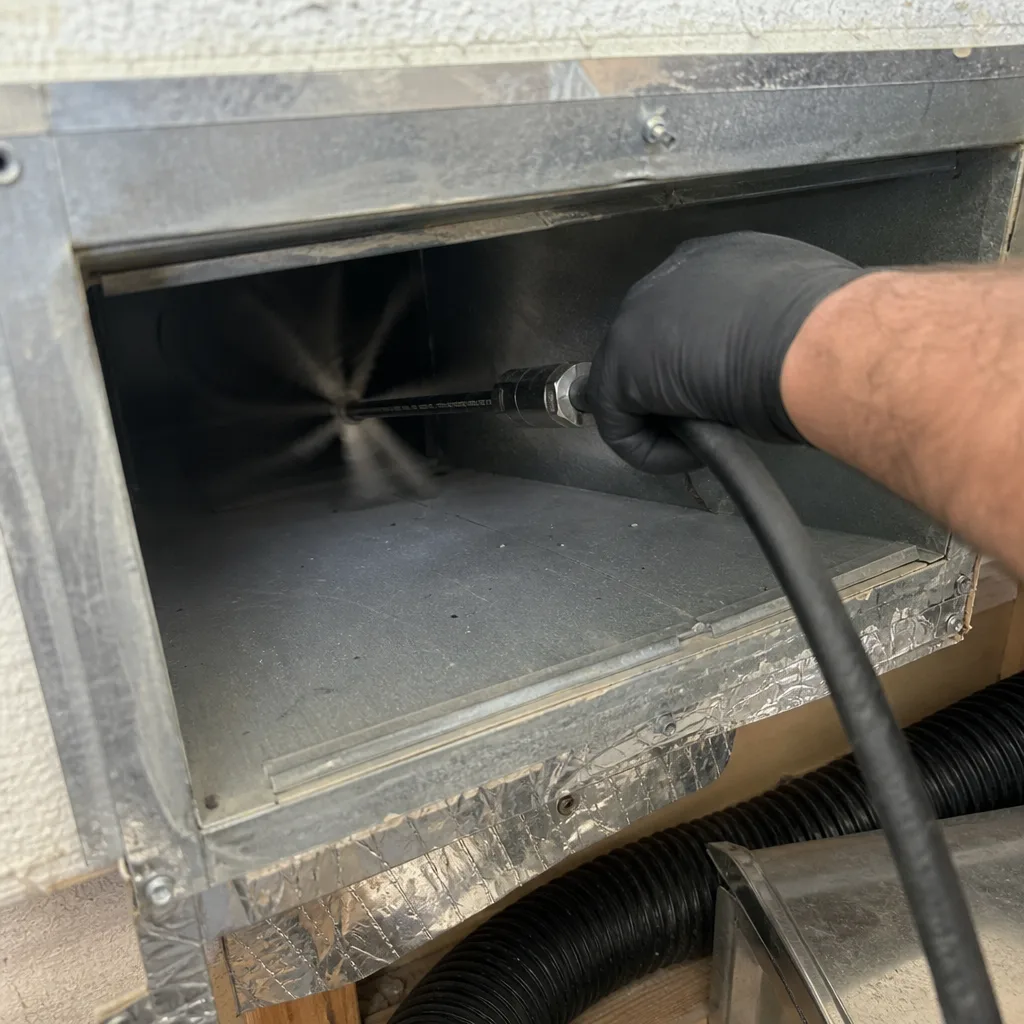
The most reliable way to avoid overpaying for duct repair is to know exactly what you are paying for before you agree to it. That means a camera inspection with a written scope of work – not a technician standing at the air handler and estimating by feel. When the inside of every run is photographed and the damage is documented in writing, you have a basis for comparison. Every estimate CleanRun delivers comes with that documentation as a standard deliverable, not an upsell.
Get a second opinion on any written estimate
If you already have an estimate from another company, bring it in. Our Free Second Opinion puts CleanRun’s written number next to the competitor’s written number. Either we can do the work for less and explain why, or the existing quote is fair and we say so. No pressure in either direction – the written comparison speaks for itself. Call (737) 252-1285 to schedule.
Address sealing before replacement when the material is sound
Flex duct that is intact but leaking at joints can often be sealed with mastic and perform well for another seven to ten years. Replacement is the right call when the inner liner has cracked, the insulation has compressed below its rated R-value, or the outer jacket is physically torn. We document which runs qualify for sealing and which require replacement – and the written scope separates those line items so you can see exactly what is driving the total number.
Combine duct repair with duct cleaning when both are needed
Scheduling duct cleaning and duct repair in the same visit reduces the total labor cost because the camera pass, attic access, and system depressurization are shared across both services. If your home is overdue for both, combining them produces a lower total cost than two separate visits.
Understand what the $79 coupon actually covers
Leander homeowners see these regularly – a postcard or online ad offering duct cleaning or inspection for $79 or less. The business model behind those offers depends on upselling services that may not be needed once a technician is inside your home. A written price before any work starts eliminates that dynamic entirely. Haven Standard Clause 1 means the number on the page is the number you pay – there is no mechanism for adding to it after a panel comes off.
What CleanRun’s Duct Repair Process Looks Like
Tomas Reyes built CleanRun’s service model around a specific frustration: homeowners who called for duct work and got a different number when the job was done than the number they were quoted. The Haven Standard exists to remove that problem structurally, not just culturally.
Here is what a standard duct repair job looks like from first contact to final documentation:
- Camera inspection of every run: Before any work is discussed, a camera goes into each duct run and photographs what is there. Disconnections, debris accumulation, liner cracking, mastic gaps, pest intrusion – it is all documented before a word is said about price. The before photos belong to the homeowner.
- Written scope and written price: Based on what the camera found, a written scope of work is produced. Every line item is explained in plain language. The price is fixed. Haven Standard Clause 1 means it does not change unless the homeowner changes the scope.
- Repair with professional-grade materials: Mastic sealant is applied at full thickness. Metal connections use UL-listed foil tape in addition to mastic where specified. Flex duct replacements use new R-6 or R-8 material as specified. Equipment from Rotobrush and Nikro handles extraction where cleaning is part of the scope.
- Post-repair camera documentation: Every run that was repaired or sealed is photographed after the work. The after photos are included in the job record delivered to the homeowner – the same format as the before photos so the comparison is direct and clear.
- Written 365-Day Done Right Promise: If the work is not right within 365 days, CleanRun makes it right. That commitment is in writing on the job record, not stated verbally and forgotten when the truck leaves.
Since CleanRun’s first job in 2013, every one of the 52,000+ homes served has received that documented photo record as a standard part of the job. It is not an upgrade. It is how the work is done.
Signs Your Leander Home Has a Duct Leakage Problem
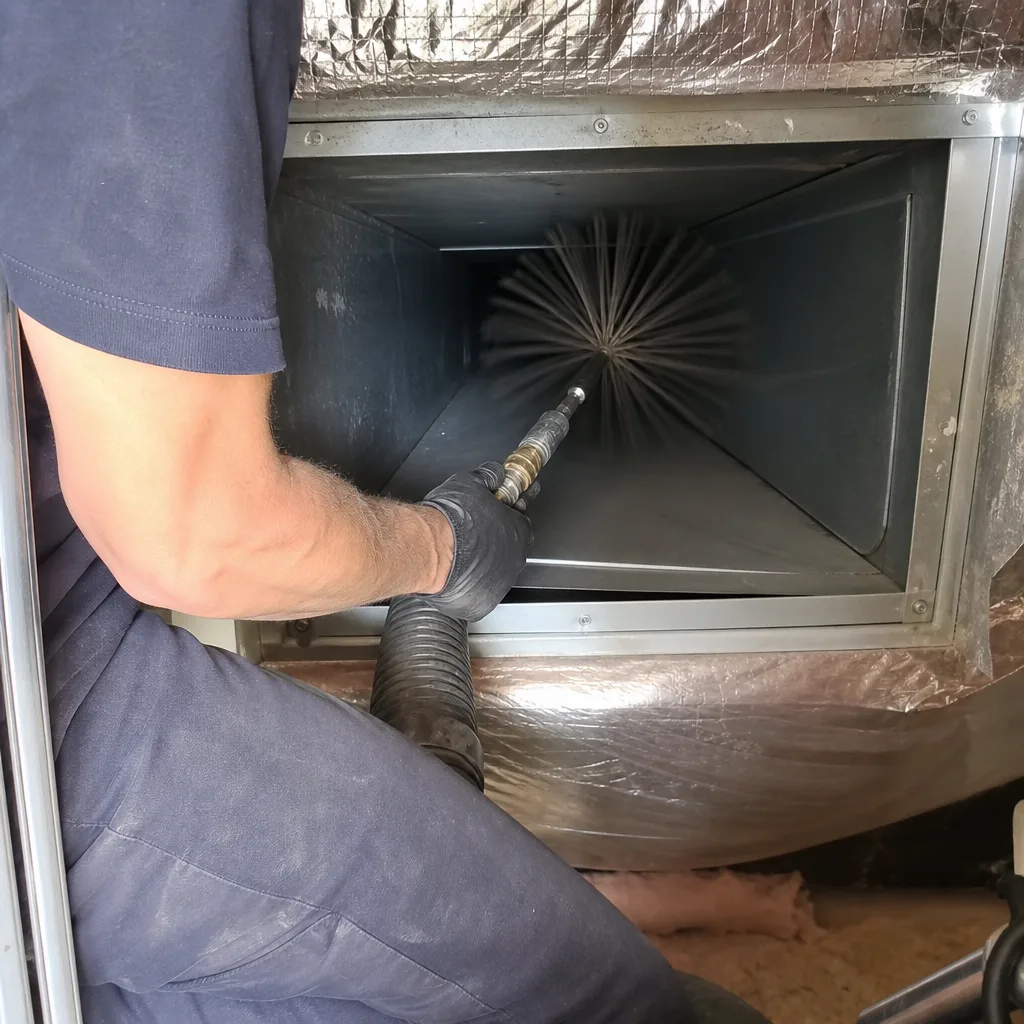
Duct leakage is rarely obvious until you know what to look for. These are the indicators we see most consistently in Leander homes before the camera confirms the diagnosis:
- Rooms that don’t cool evenly: A back bedroom that stays 4-6°F warmer than the thermostat setting in July, even when the system runs continuously, often has a partially disconnected or heavily leaking supply run. In Leander’s two-story homes, second-floor rooms are the most common complaint.
- Higher-than-expected electric bills: If your summer bills are running $120-$200 higher than a similar-sized home in your neighborhood, that gap deserves a camera inspection before a new thermostat or a system tune-up is purchased.
- Dustier-than-normal surfaces: When return duct runs leak, they pull attic air – which carries insulation particles, dust, and in some Leander homes, cedar pollen – directly into the living space. A return plenum with a failed seal at the air handler cabinet is a common source.
- Audible air noise at registers: Hissing or whistling at supply registers often indicates a partial disconnection or a significant mastic gap upstream of that register boot. It is worth investigating before the next HVAC service visit.
- Recent attic work by another trade: Pest control technicians, insulation contractors, and electricians working in Leander attics regularly disturb flex duct connections. A disconnected run after attic work is one of the most common repair calls we receive.
FAQs – Duct Repair & Sealing Cost in Leander
How much does duct sealing cost for a typical Leander home?
Manual mastic sealing for a typical 2,000-2,600 sq ft Leander home runs $350-$700 depending on the number of runs and the extent of the leakage found. Aeroseal, which seals from inside the duct system under pressure, runs $900-$1,600 for a whole-home application and includes a before-and-after leakage test report. The written price is always delivered before work starts. Call (737) 252-1285 for a free estimate specific to your home.
Is duct sealing worth the cost in Leander’s climate?
In most cases, yes. A Leander home with 20-30% duct leakage – which is not unusual based on what our camera inspections find – can lose $800-$1,400 in conditioned air annually through attic leakage. Sealing that system for $500-$700 typically pays back in energy savings within 12-24 months, and the improvement in room-to-room temperature consistency is noticeable from the first cooling cycle. The calculation changes if the ductwork is at end of life, in which case replacement is a better investment than repeated sealing.
How long does duct repair take in a typical Leander home?
A repair job covering 10-14 runs in a 2,400 sq ft Leander home takes 3-6 hours from camera inspection through final documentation, depending on attic access complexity and the extent of damage found. Aeroseal adds roughly 2-4 hours because of the pressurization and testing steps. The job record – including all before and after photos – is delivered the same day.
Can I seal my own ducts with tape from a hardware store?
Standard duct tape – the gray fabric kind – is not rated for HVAC duct systems and fails within 1-3 years under thermal cycling. UL-listed foil tape performs better but is still a surface-only fix that does not address leakage at joints the way brush-applied mastic does. More to the point, locating every leakage point without a camera and a blower door test means you are sealing what you can see rather than what is actually leaking. A professional camera inspection is the only way to know where conditioned air is actually escaping.
Does CleanRun offer a warranty on duct repair work?
Yes – every duct repair job is covered by the 365-Day Done Right Promise. If the repair is not right within 365 days of the job date, CleanRun returns and makes it right. That commitment is written on the job record delivered at the end of every visit – it is not a verbal assurance subject to interpretation later. The written warranty applies to every job, at every price point, with no exclusions for smaller repairs.
What is the difference between duct repair and duct replacement in Leander?
Duct repair addresses specific damage: a disconnected joint, a cracked flex liner section, a failed mastic seal at the plenum. Duct replacement removes and replaces entire runs. Repair costs $85-$350 per damaged section. Replacement of a full flex run costs $120-$275 per run. Which option is appropriate depends on what the camera shows – runs that are structurally sound but leaking at joints are repair candidates; runs with cracked inner liners, compressed insulation, or visible deterioration along the full length are replacement candidates. The written scope separates these line items so the reasoning is clear.
CleanRun vs. a $79 Coupon Offer
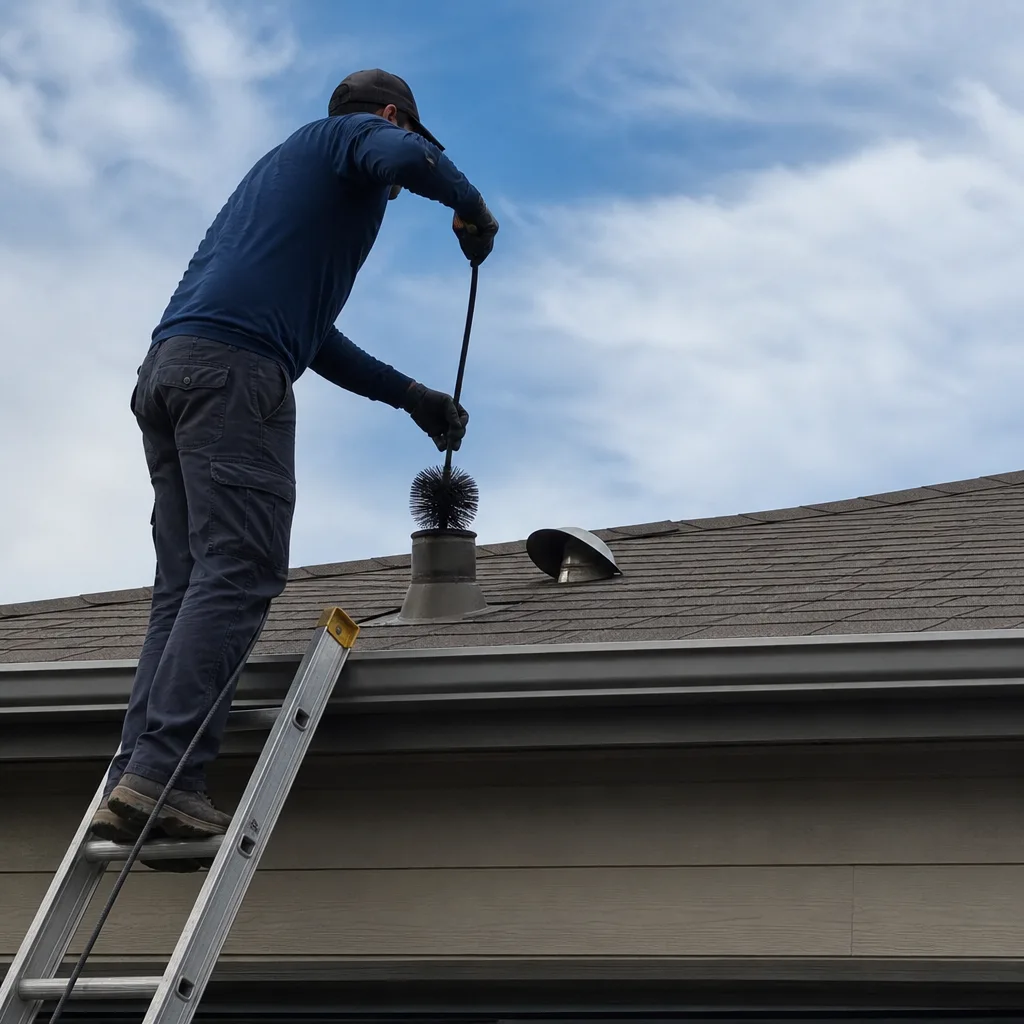
This comparison matters enough to say plainly. A common business model in the Leander duct service market operates as follows: a low entry price gets a technician in the door, the technician identifies problems (real or manufactured), and the final invoice is three to five times the advertised number. The homeowner has no basis for evaluating the upsell because no camera documentation was taken at the start, no written scope was produced before work started, and no after-photos were taken to confirm what actually changed.
CleanRun’s model works in the opposite direction. The price is written before any work starts. The camera documents what was found. The after-photos document what changed. The 365-Day Done Right Promise means the accountability does not end when the truck leaves. And the Free Second Opinion means any Leander homeowner who has already received a competitor’s estimate can sit down with our written number next to it and compare line by line.
That is not a pitch. It is a description of how the work is structured. The home page describes the full service model if you want the broader picture before making a call.
Key Takeaways
- Duct repair and sealing in Leander costs $350-$1,200 for most single-family homes, with the majority of jobs landing in the $450-$800 range.
- Aeroseal whole-home sealing runs $900-$1,600 and includes a measurable before-and-after leakage report.
- Leander’s attic temperatures, growth-era construction pace, and aging flex duct stock make duct leakage more common here than in many comparable Texas markets.
- Every CleanRun job starts with a camera inspection and a written price – before any panel comes off.
- The 365-Day Done Right Promise is written on the job record, not stated verbally.
- A Free Second Opinion is available on any written estimate from any competitor – call (737) 252-1285.
Get a Written Estimate for Your Leander Home
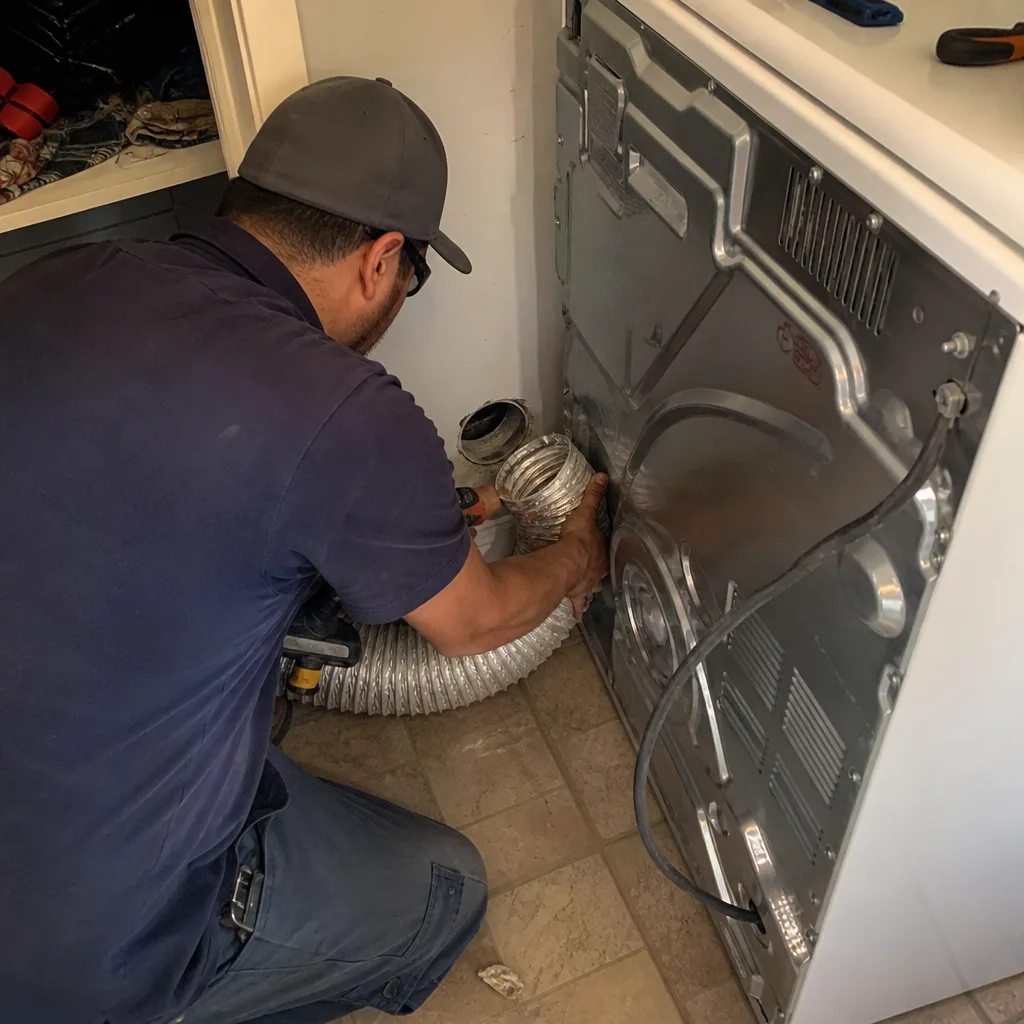
If your Leander home has rooms that won’t cool evenly, energy bills that don’t match a comparable house nearby, or you just want to know what’s actually inside your ductwork before you guess – call (737) 252-1285. CleanRun answers every call live, schedules a camera inspection, and delivers a written price before any work starts. The before and after photos are included. The 365-Day Done Right Promise is in writing. There is no version of this where you find out the number after the fact.
Tomas Reyes and the CleanRun team have documented the inside of ductwork in homes across Leander, from Travisso and Crystal Falls to the older neighborhoods near Hero Way and South Bagdad Road – over 52,000 homes since 2013, every one with a written price before work started and a photo record when the crew left. The estimate for your home is free.
Pricing reflects the Leander, TX market as of 2026. CleanRun Air Duct Cleaning Leander offers free estimates – call (737) 252-1285.
Written by Tomas Reyes, Owner at CleanRun Air Duct Cleaning Leander, serving Leander, TX since 2013.
What Our Customers Say
"My allergies genuinely improved. They also told me the ducts did not need sealing, which I had been quoted for elsewhere."
- Petra K."The dryer vent was almost completely blocked with lint. They showed me the photograph and I understood immediately why the dryer had been running twice."
- Lucia M."They found a disconnected duct in the crawl space that had been dumping conditioned air under the house for years. Photographed it, quoted the repair, fixed it."
- Devon A.